From the late 1970s the armed forces of the Republic of China began giving up land across Taiwan, as strategy turned from retaking the mainland to defending Taiwan and its outlying islands after the United States switched recognition to Beijing in 1979. Army streamlining programs (陸精專案) disbanded units through the 1980s, and the Jingshi Program (精實案) of 1997–2001 cut the armed forces further as bases, depots, and missile batteries closed across the island. After the end of martial law, the dissolution of the Taiwan Garrison Command in 1992 emptied its bridge and tunnel sentry posts, and coastal patrol passed to the civilian Coast Guard Administration in 2000. Vacated sites have since become parks, campuses, and redevelopment land, as at Weiwuying, or been left to decay alongside many of the island’s military fortifications, though the withdrawal has not always been permanent; several missile bases were reactivated in the early 2020s.
Loading map
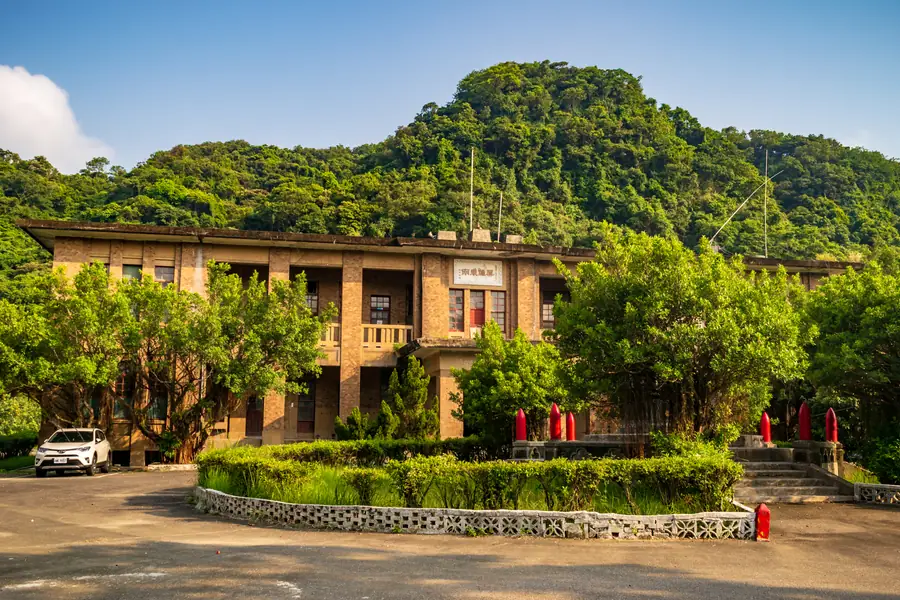
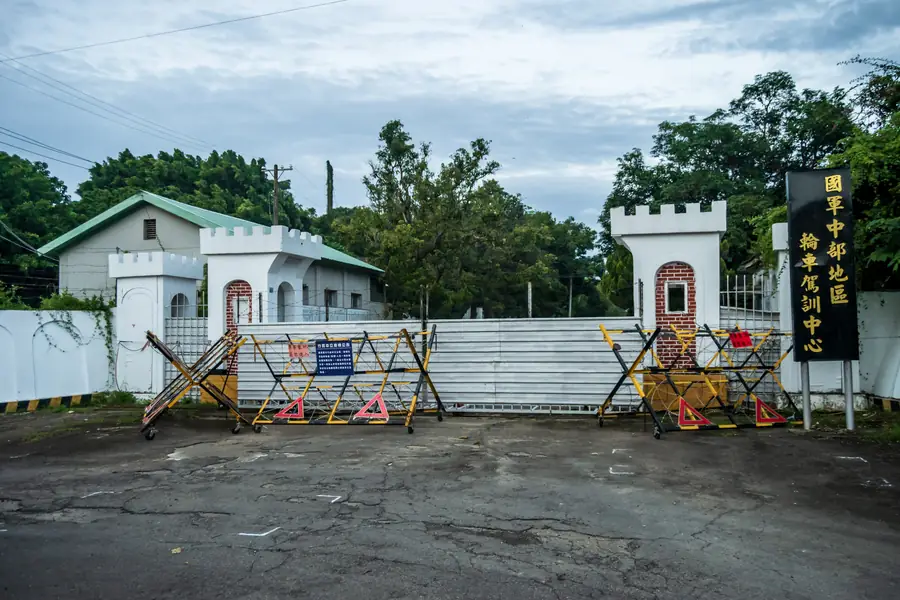
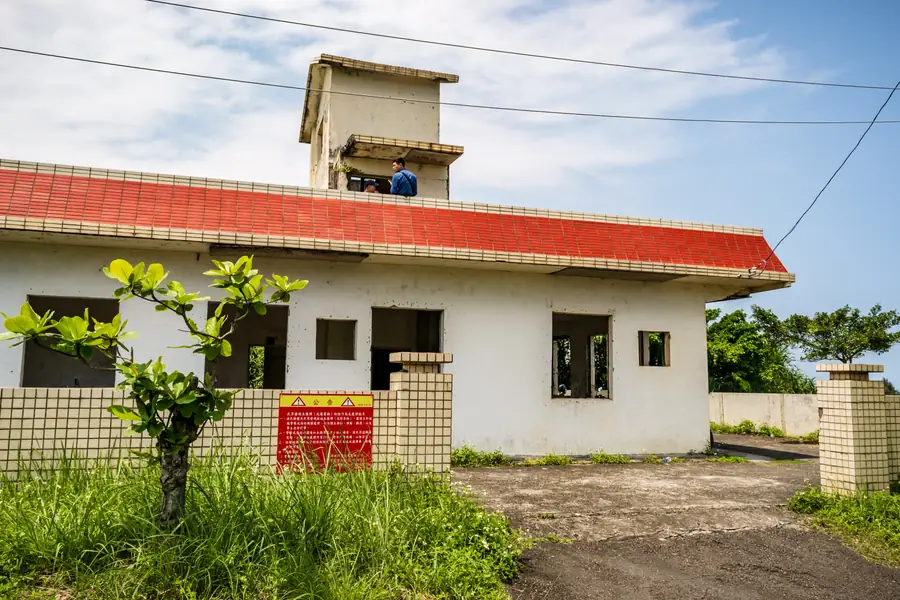
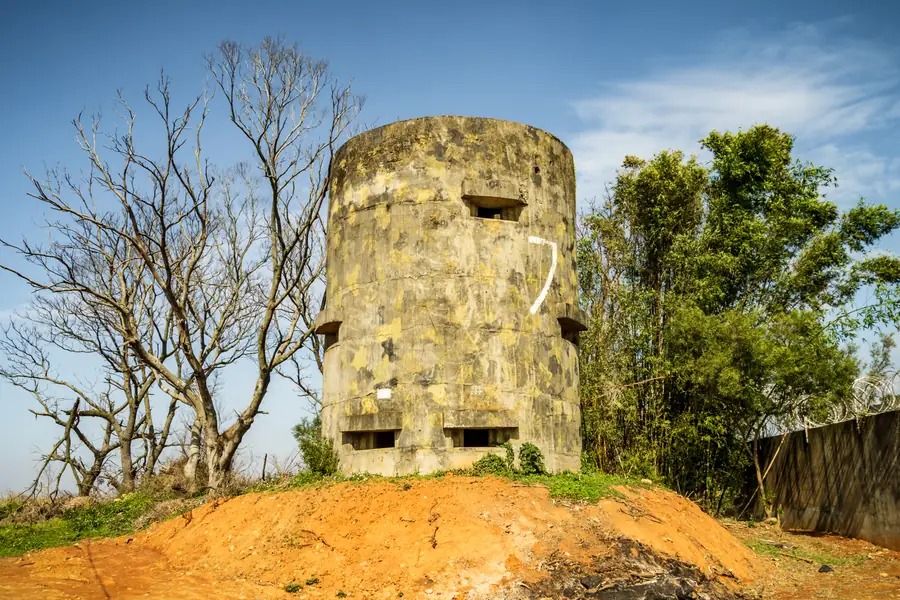
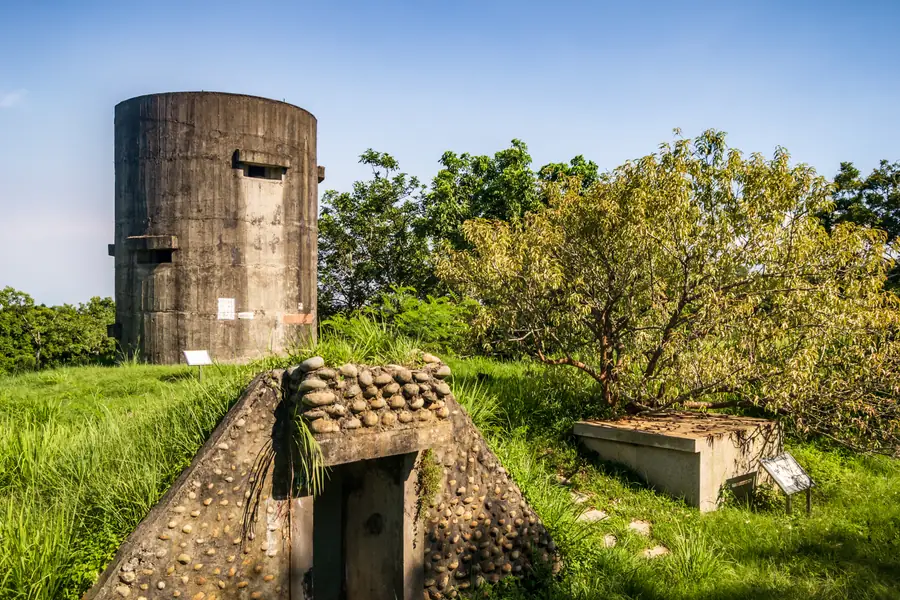
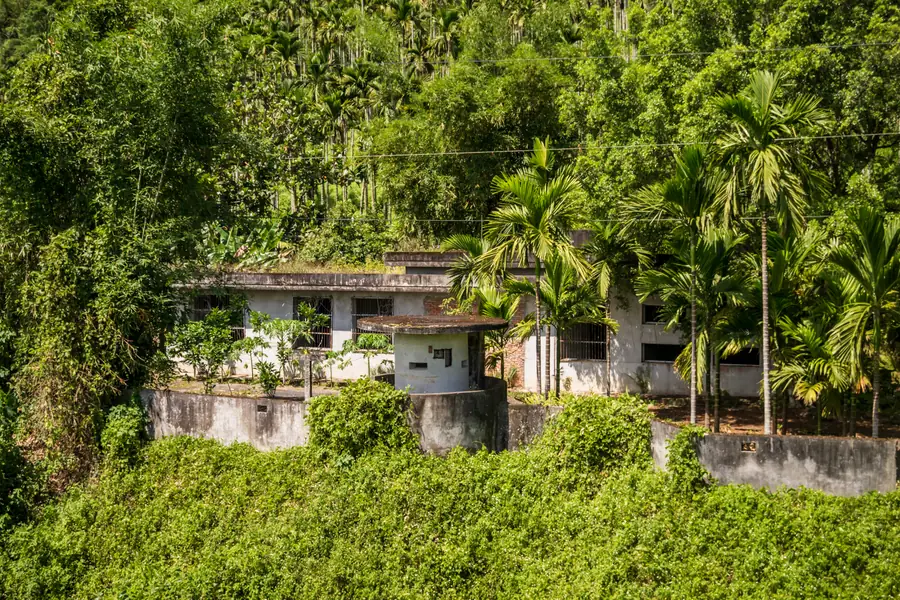
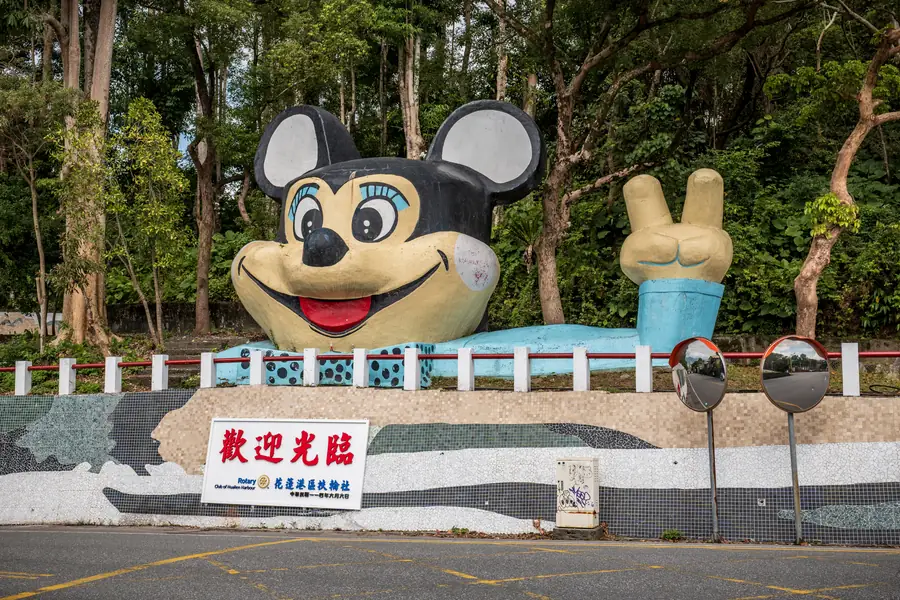
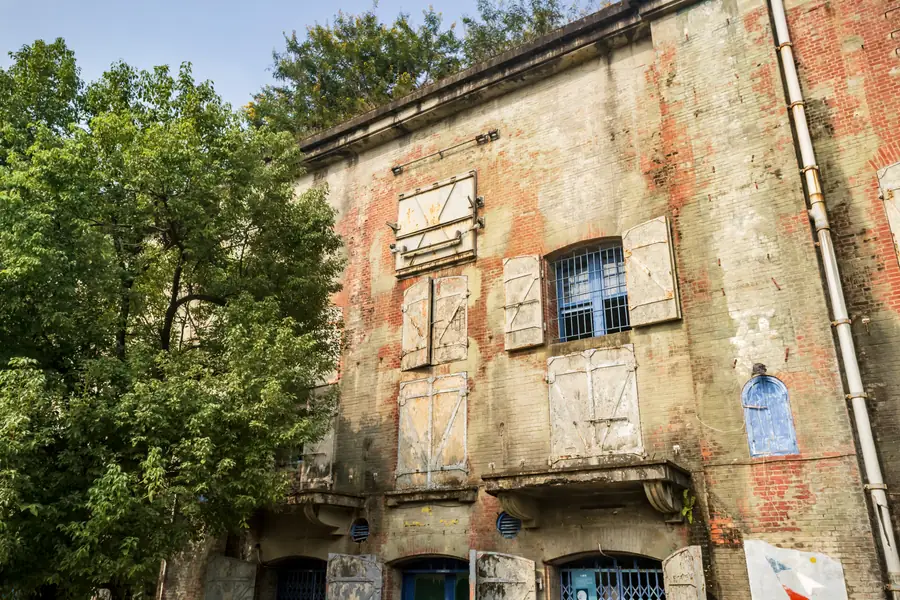
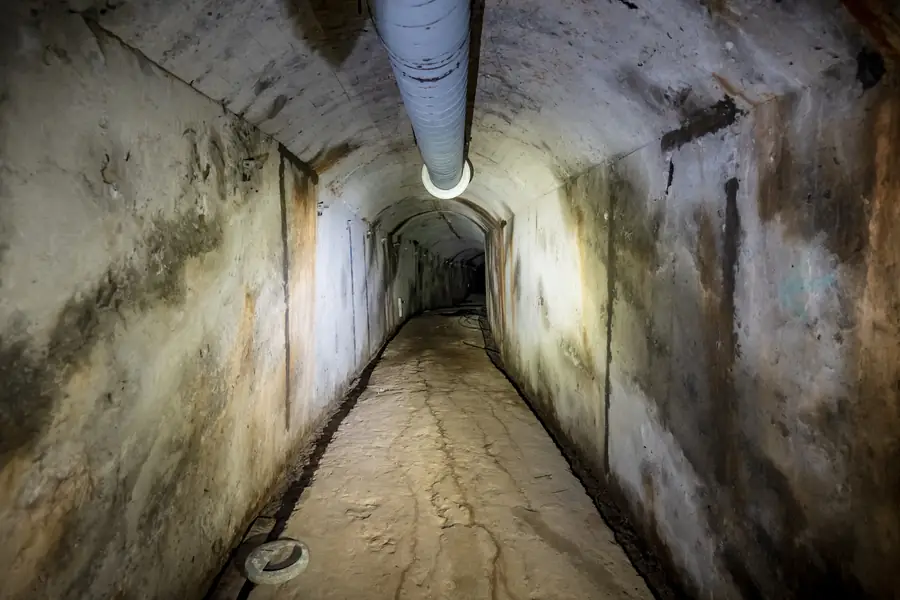
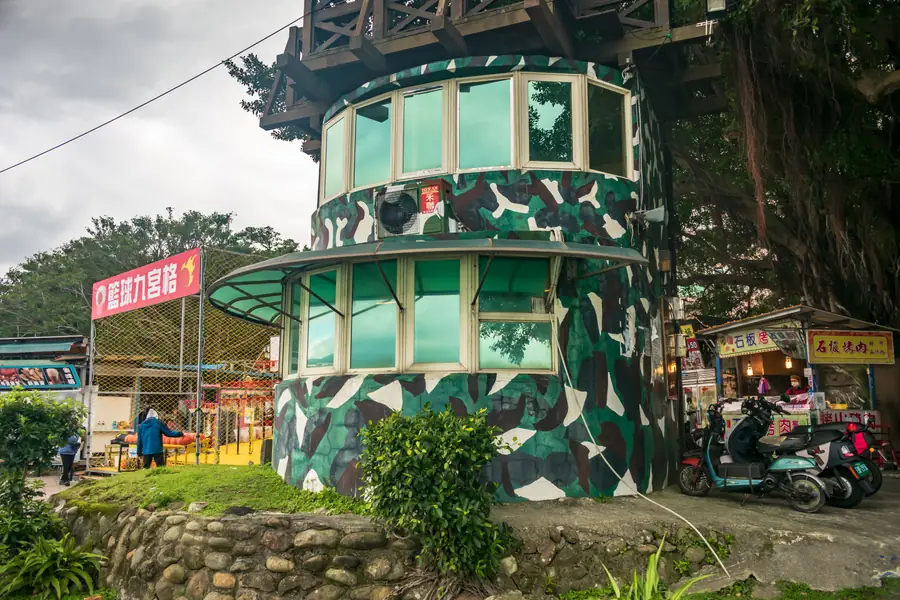
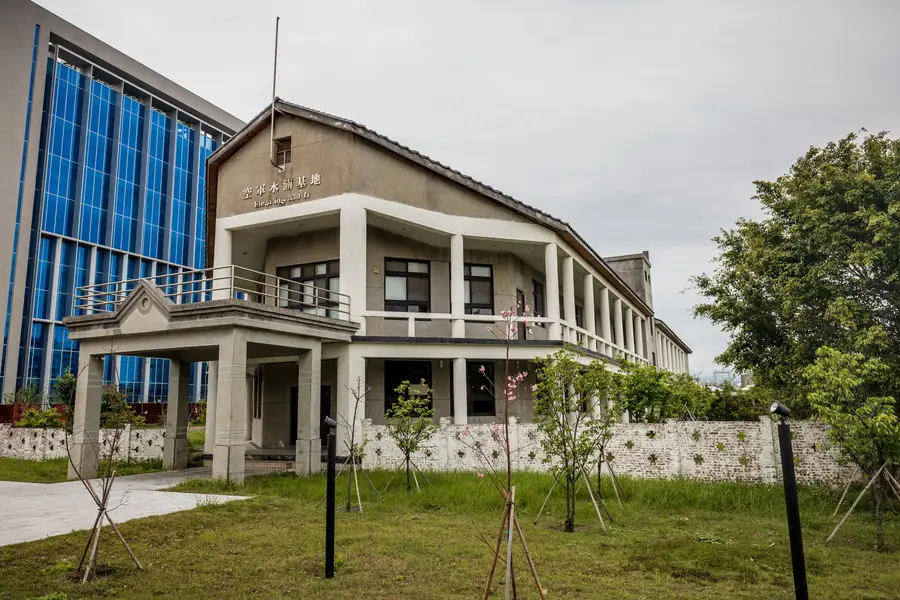
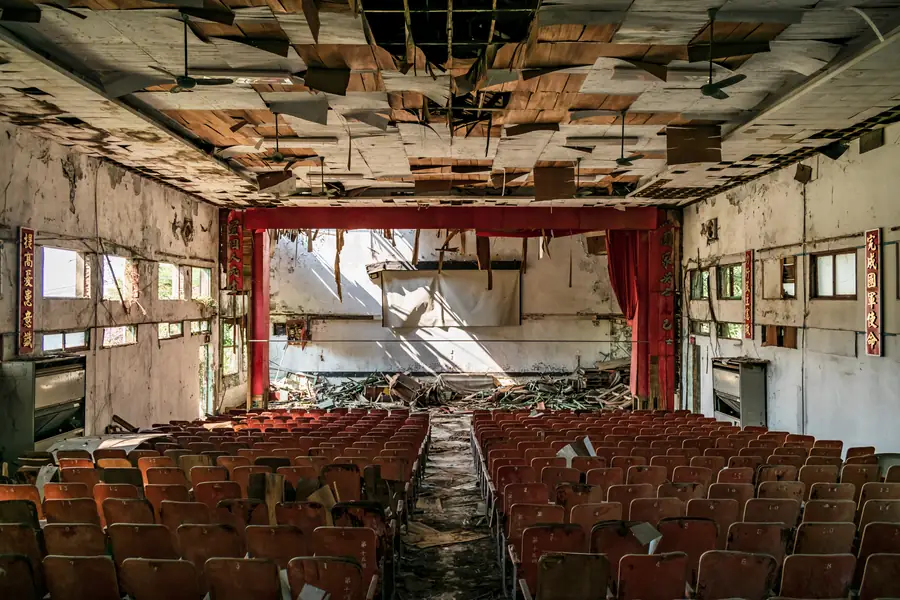
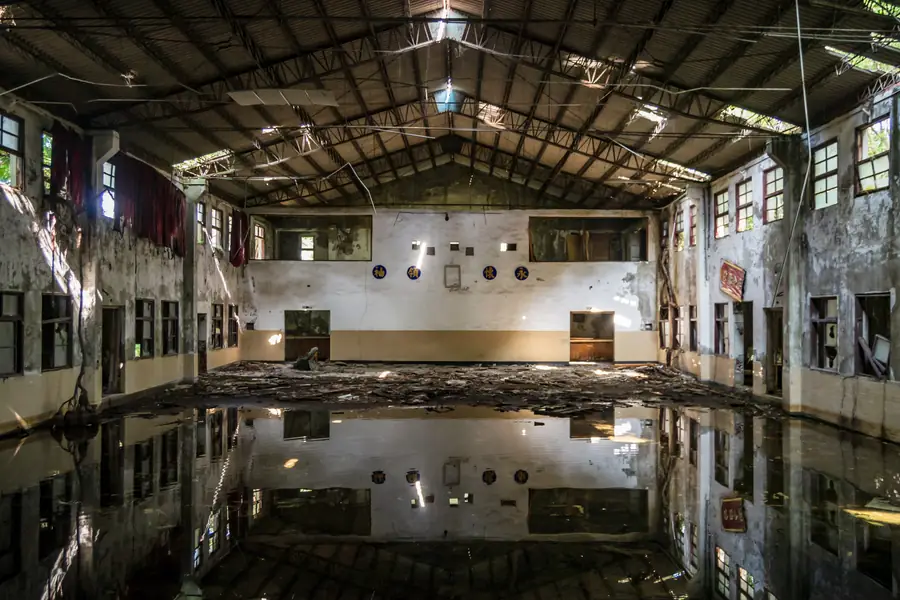
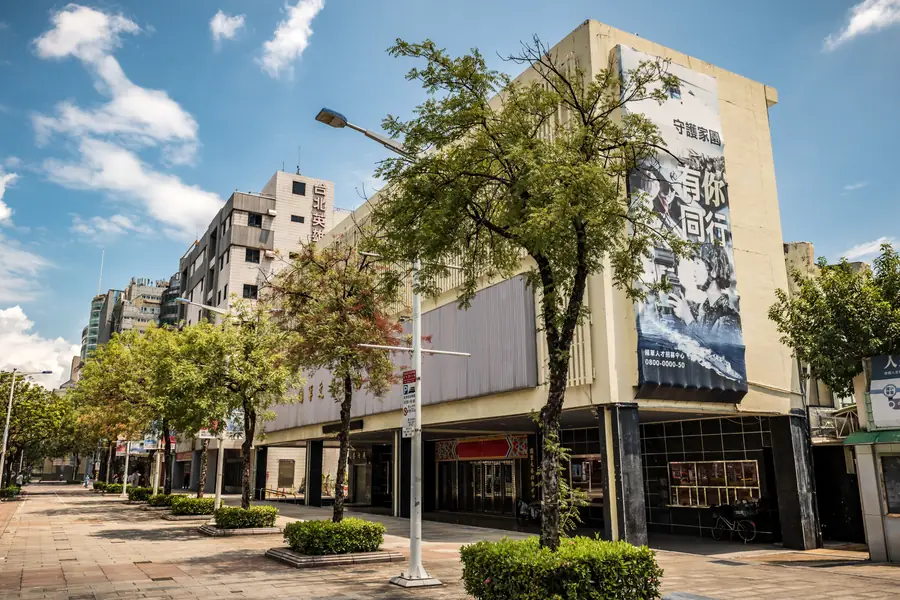
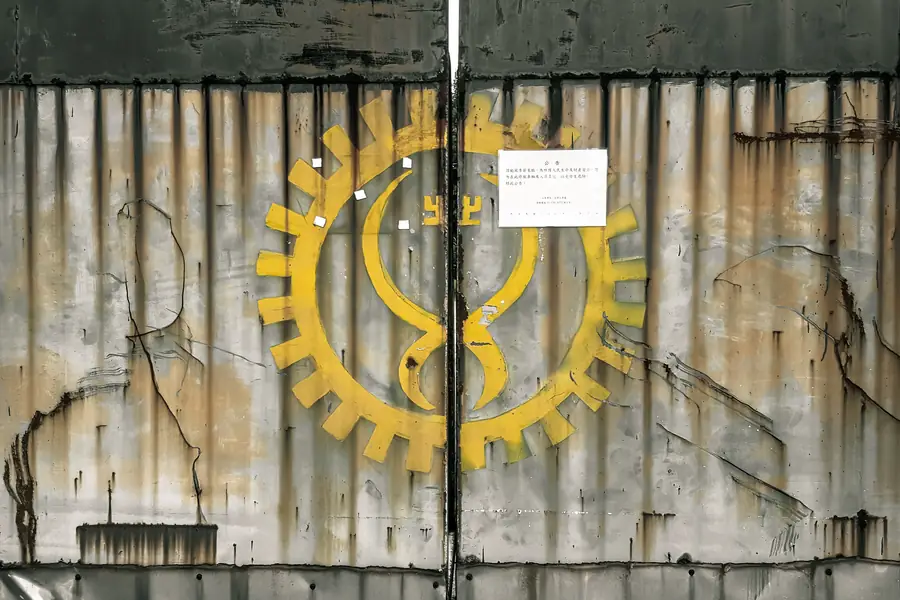
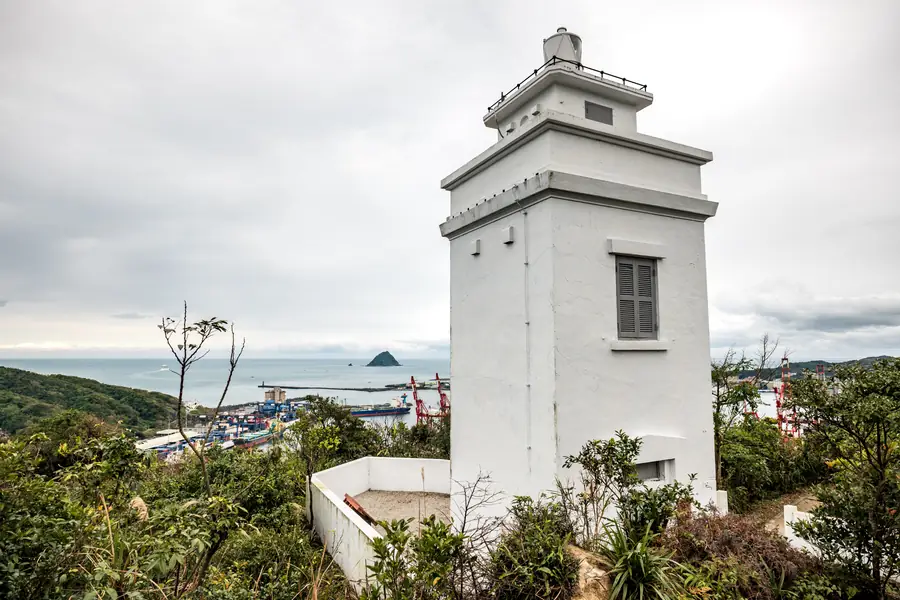
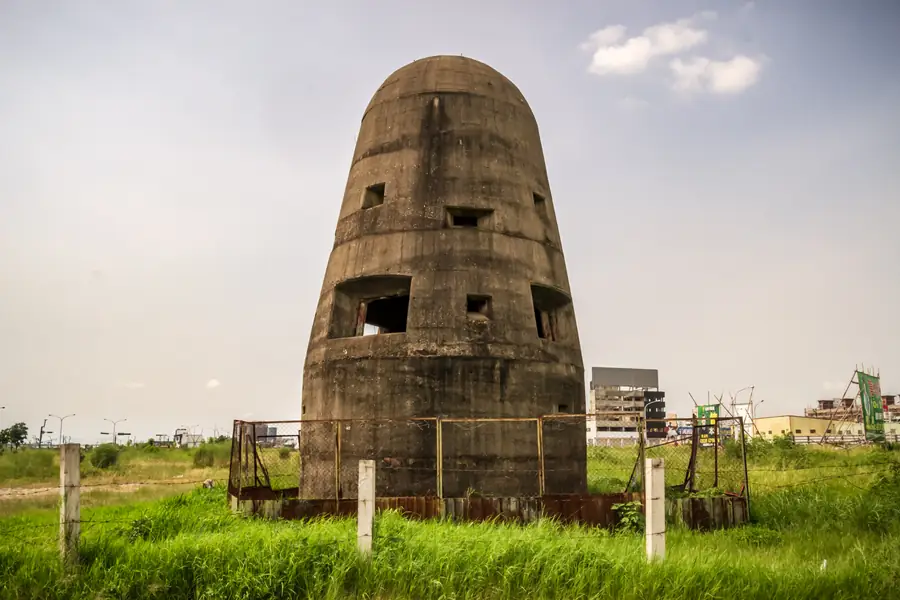
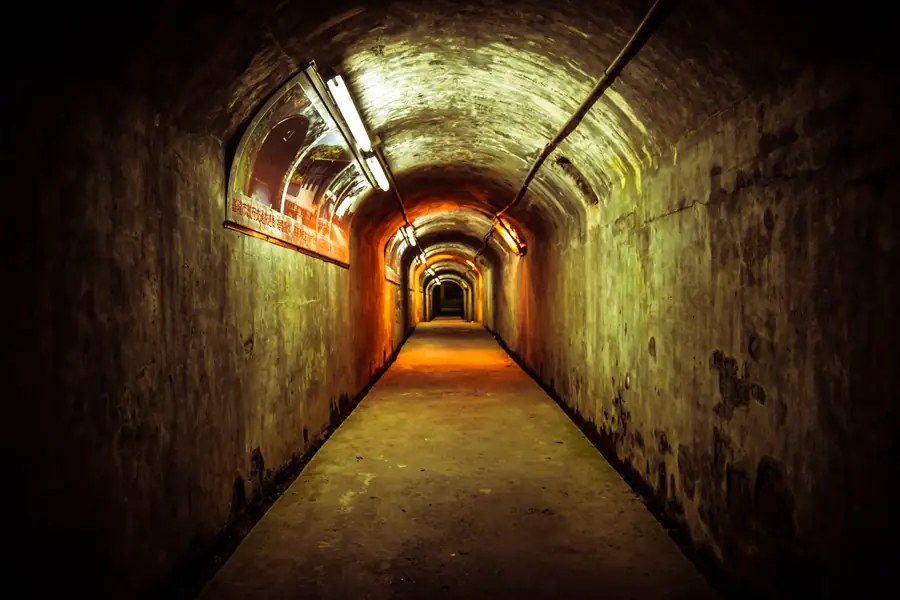
Hachikai Airfield (八塊飛行場), Chonglun Bunker (崇倫碉堡), Tiezhengshan Artillery Emplacements (鐵砧山砲堡群), Yuanshan Tunnel (圓山坑道), Shalun Anti-Aircraft Artillery Base (前空軍防空砲兵沙崙營區), Tamazato POW Camp (花蓮玉里戰俘營), Dapeng Bay Seaplane Base (東港海軍航空隊), Magong Dashan Fort (馬公大山堡壘砲臺), National Human Rights Museum (國家人權博物館), Iron Fort (鐵堡), Heping Island Dongdi Sentry Post (和平島東堤哨亭), Kobi Airfield (虎尾飛機場), Toufen Artillery Emplacements (頭份砲台), Nanxiong Theater (南雄戲院), Taitung Missile Base (太麻里飛彈基地), Naval Operations Center Zhongzheng Hall (海軍營運中正堂), Chiayi Missile Base (嘉義勝利女神飛彈營), Zhuangwei Guting Fortifications (壯圍古亭陣地), Sanzhan Battery (三棧砲台), Hengshan Base (橫山營區), Keelung Abandoned Base (基隆廢棄營區), Chunrishan Artillery Base Barracks (春日山砲兵連營舍), National Kaohsiung Center for the Arts (衛武營國家藝術文化中心), Taoyuan Base 1 (桃園基地一號), Xiaogangshan Fort (小崗山砲台), and 49 more.
92 Entries