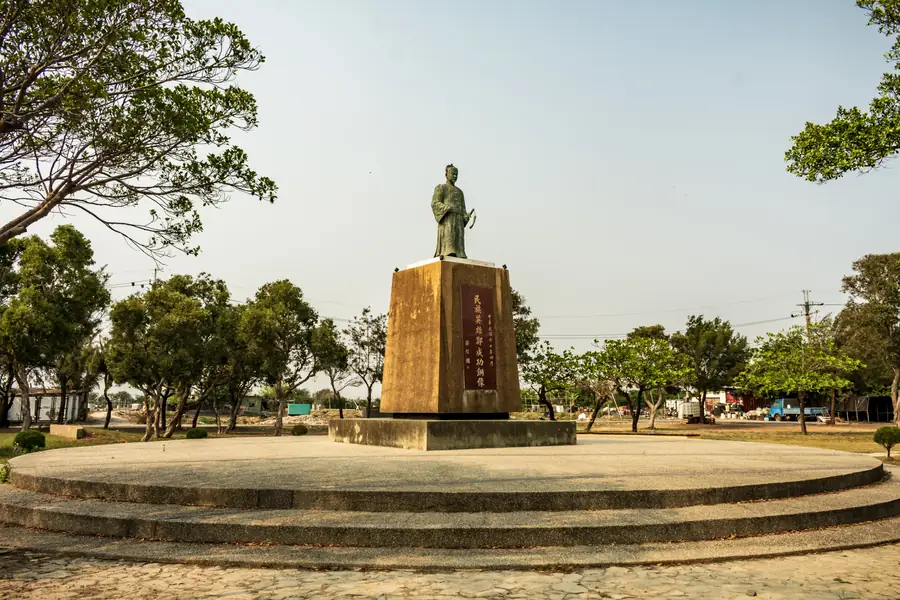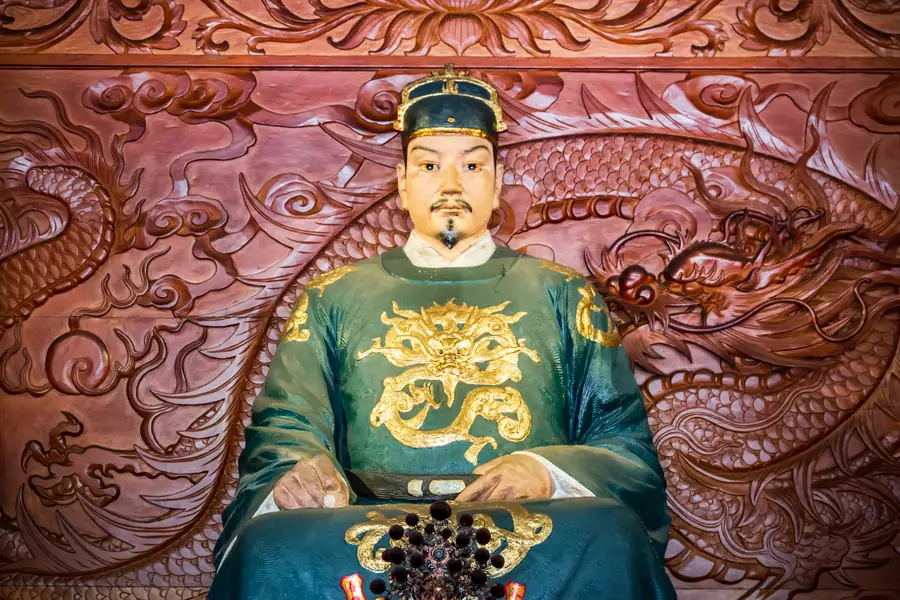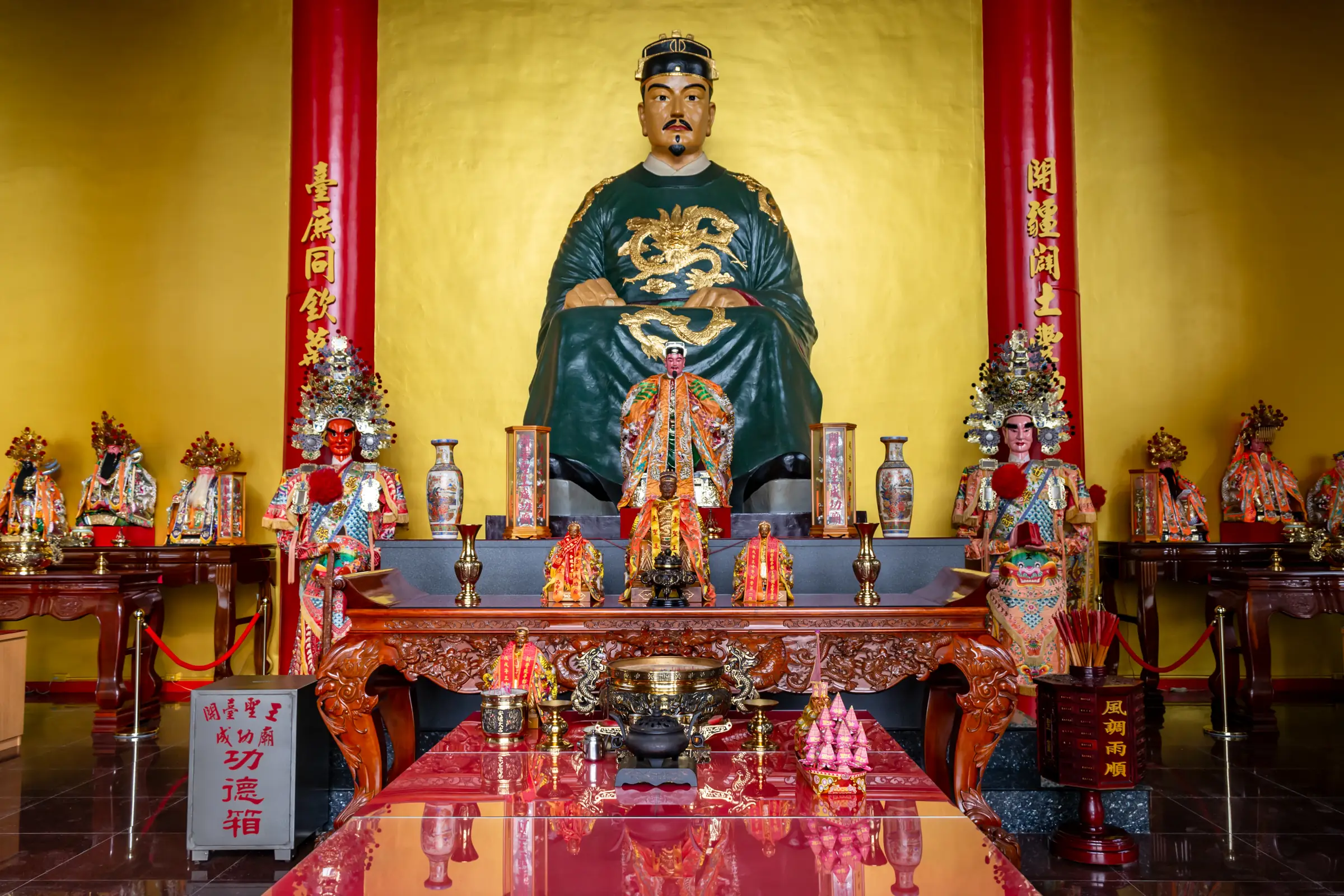
Zhèng Chénggōng (鄭成功, 1624–1662) is known in English as Koxinga, a romanization of the Hokkien reading of the honorific Guóxìngyé (國姓爺), “Lord of the Imperial Surname”. Born at Hirado in Japan to a Chinese merchant father and a Japanese mother, he was granted the Ming imperial surname Zhū (朱) by the Longwu Emperor in 1645 and was later titled Prince of Yanping (延平王). He waged a failing campaign against the rising Qing before withdrawing to Taiwan in 1661, where his forces besieged the Dutch at Fort Zeelandia for nine months and expelled them from the island. He died in 1662 at the age of 37, barely a year after founding the Kingdom of Tungning (東寧王國) at modern-day Tainan, and his descendants held the southwestern coast for another two decades before surrendering to the Qing in 1683.
Over the centuries his legacy has been reshaped to serve the interests of successive colonial regimes and their respective nation-building projects. The Qing initially branded him a rebel, then rehabilitated him as a symbol of resistance against the West beginning in 1874. The Japanese claimed him as a native son through his Hirado birth and Japanese mother, incorporating his shrine into Shinto beliefs in 1897. Chiang Kai-shek, a defeated leader who had likewise retreated to the island vowing to retake the mainland, promoted him as a precedent, while the People’s Republic of China casts him as the general who recovered Taiwan for the motherland.
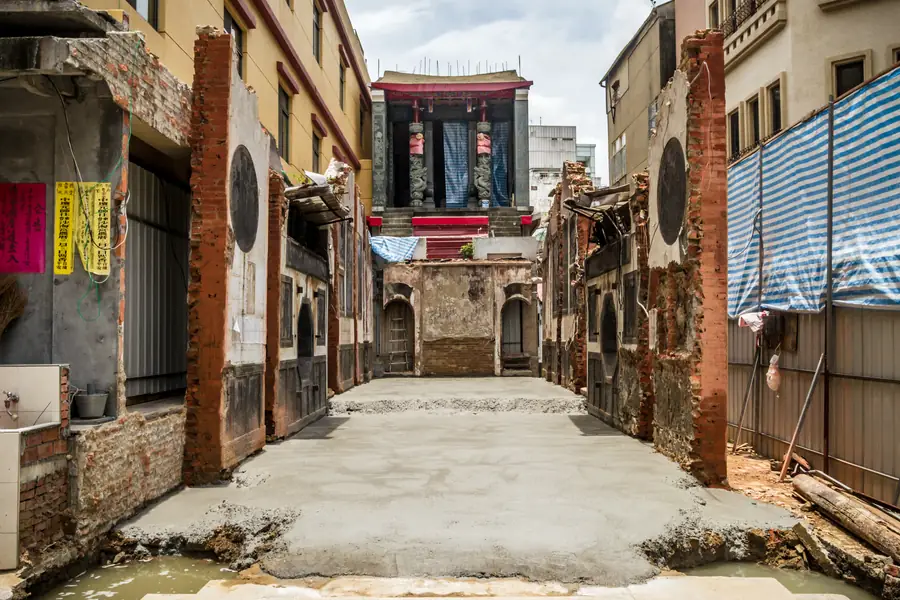
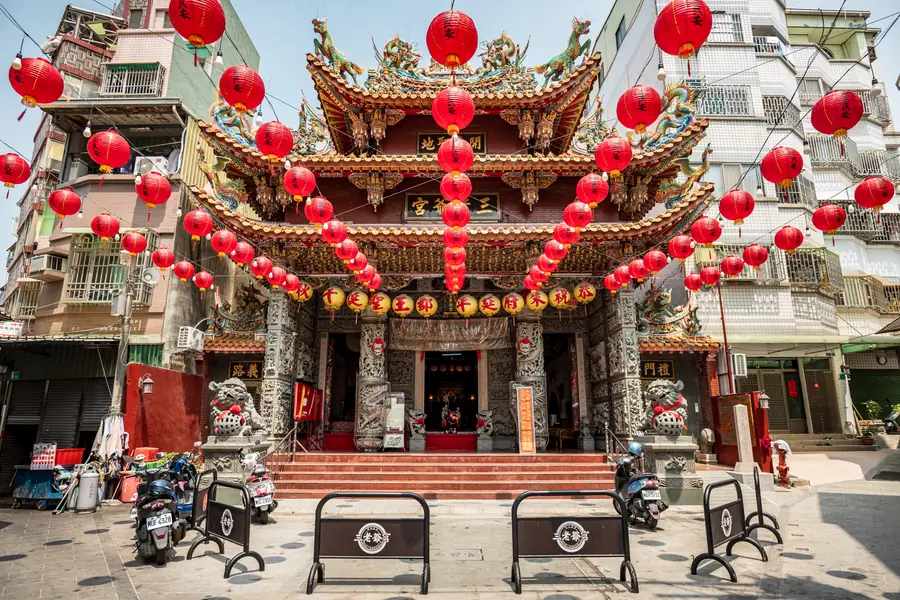
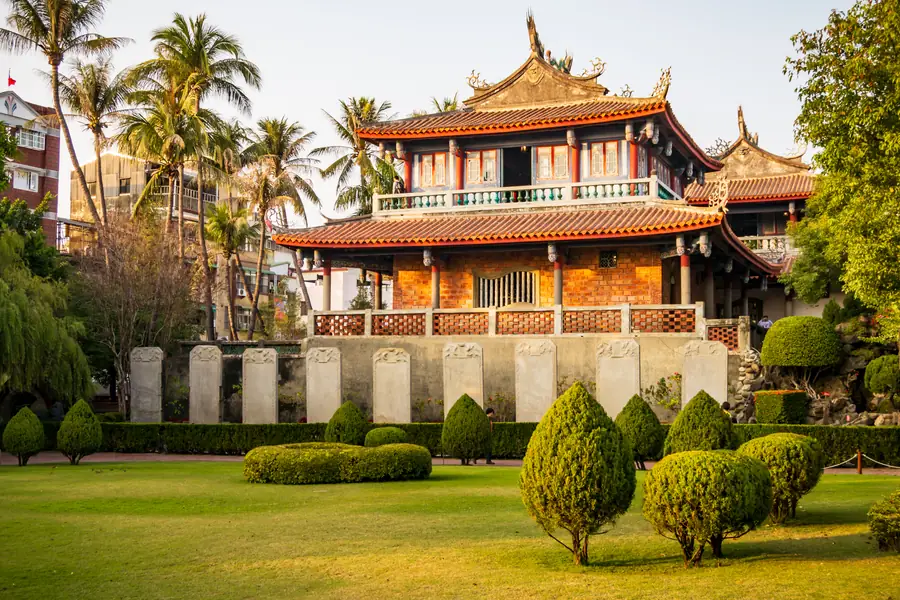
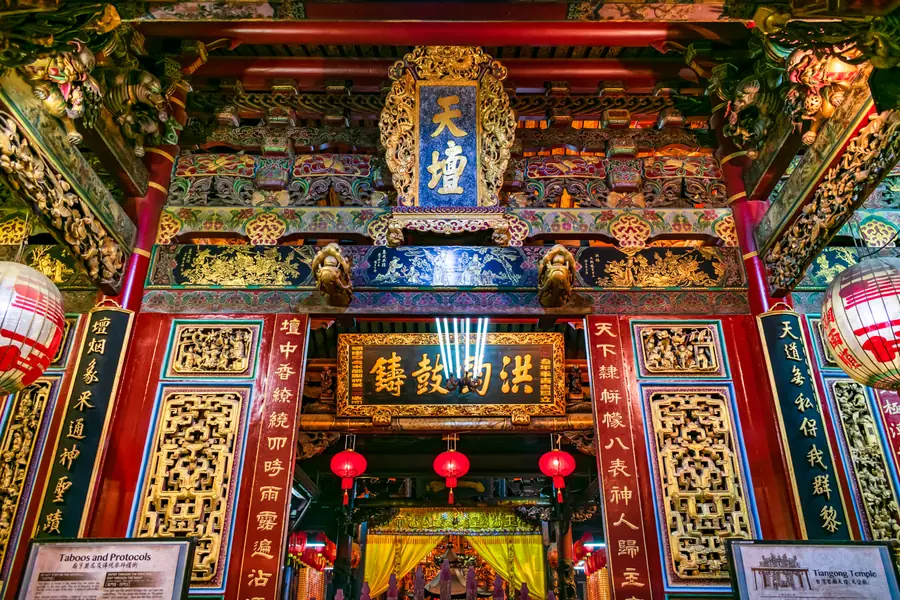
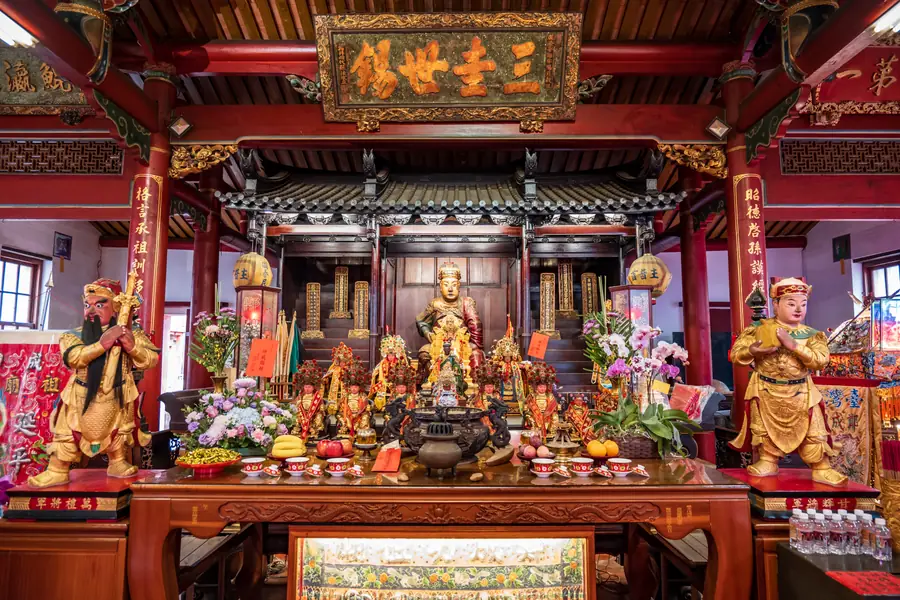
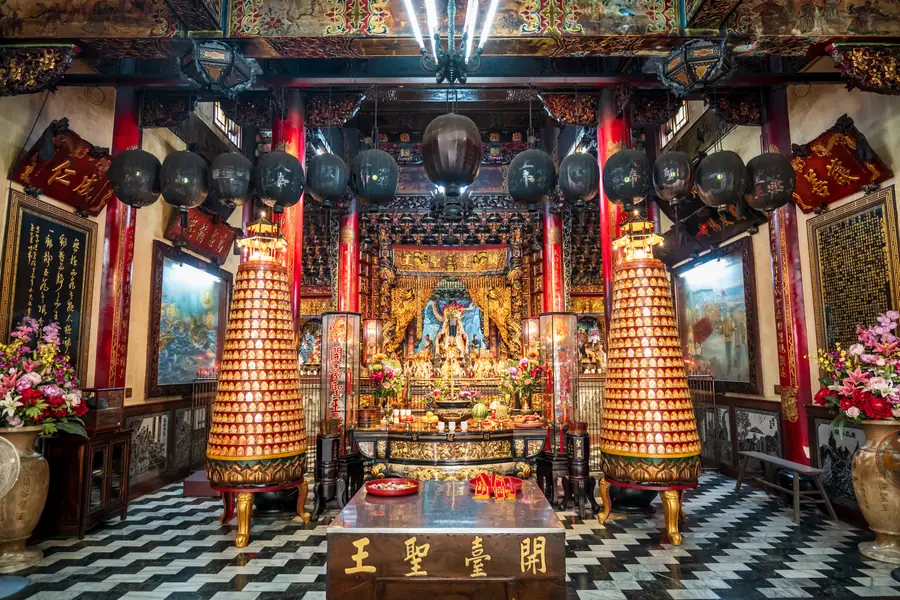
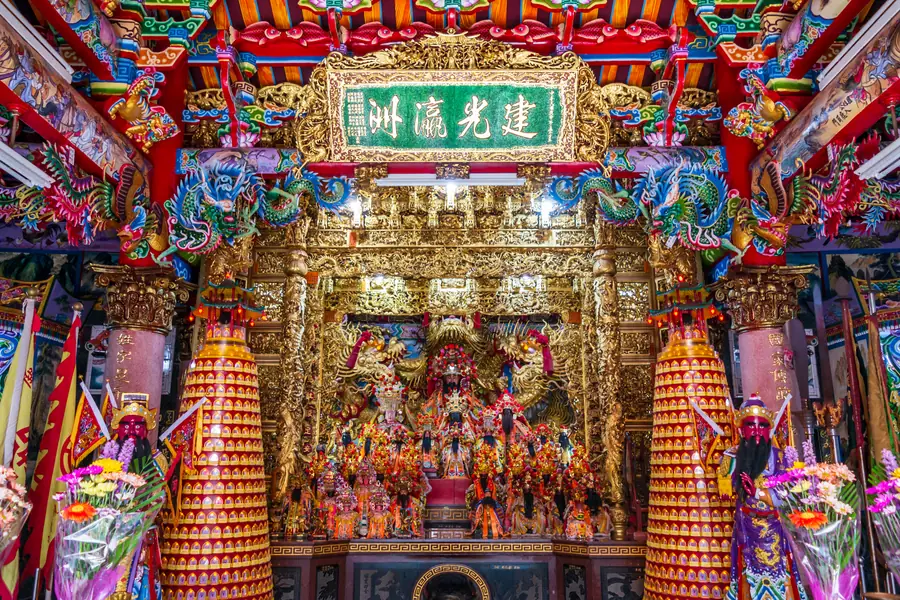
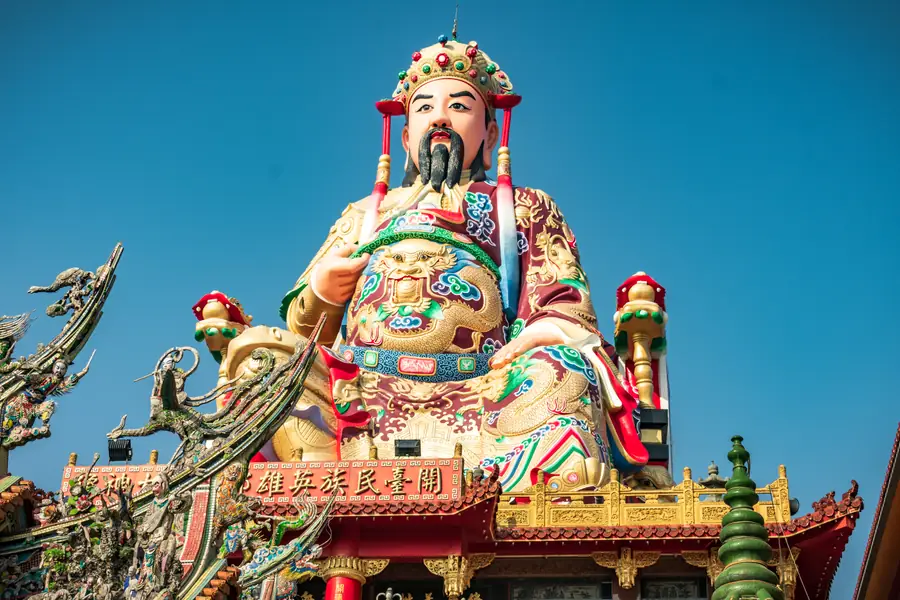
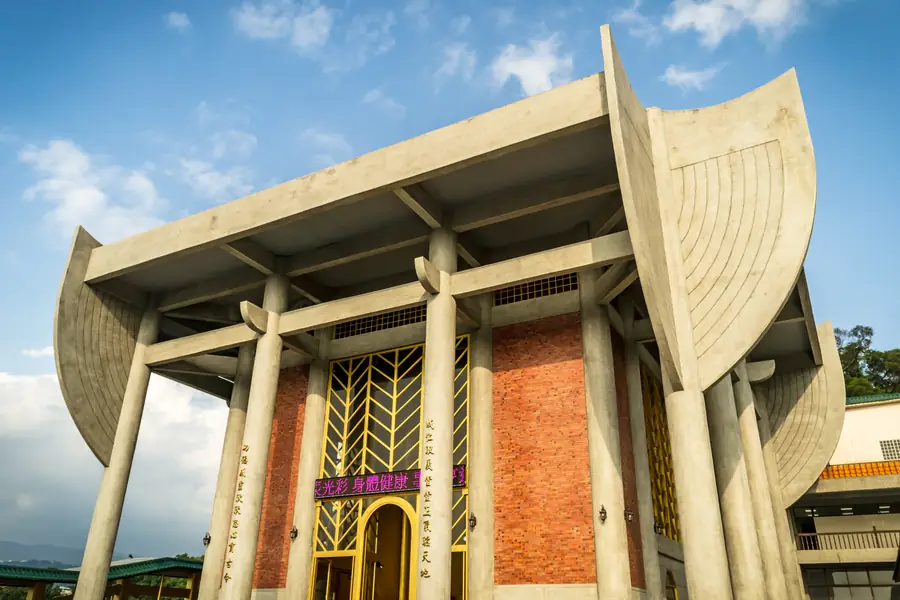
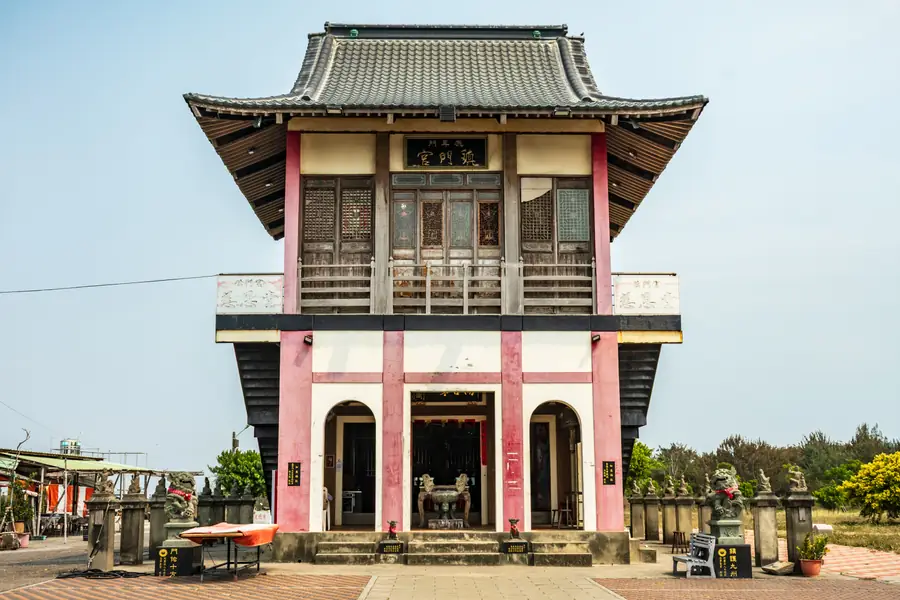
In folk religion he is enshrined as Kaitai Shengwang (開臺聖王), the Sage King Who Opened Taiwan, a title that frames Han settlement as an act of founding. That framing is the difficulty at the heart of his commemoration, since the settlement it celebrates meant dispossession for Taiwanese Indigenous peoples, making him something closer to a Columbus figure in their historical memory. His contested legacy is still seen today in the form of temples, memorials, and monuments dedicated to him scattered across Tainan and beyond.
Note: this theme gathers the sites where Koxinga is worshipped, memorialized, and contested; the polity he founded and its surviving material remains belong to Ming-Zheng Era Taiwan.
Map
Links
- Wikipedia in Chinese (中文維基百科)
Regions
Themes
- Contested Heritage in Taiwan (爭議文化遺產)
- Ming-Zheng Era Taiwan (明鄭時期)