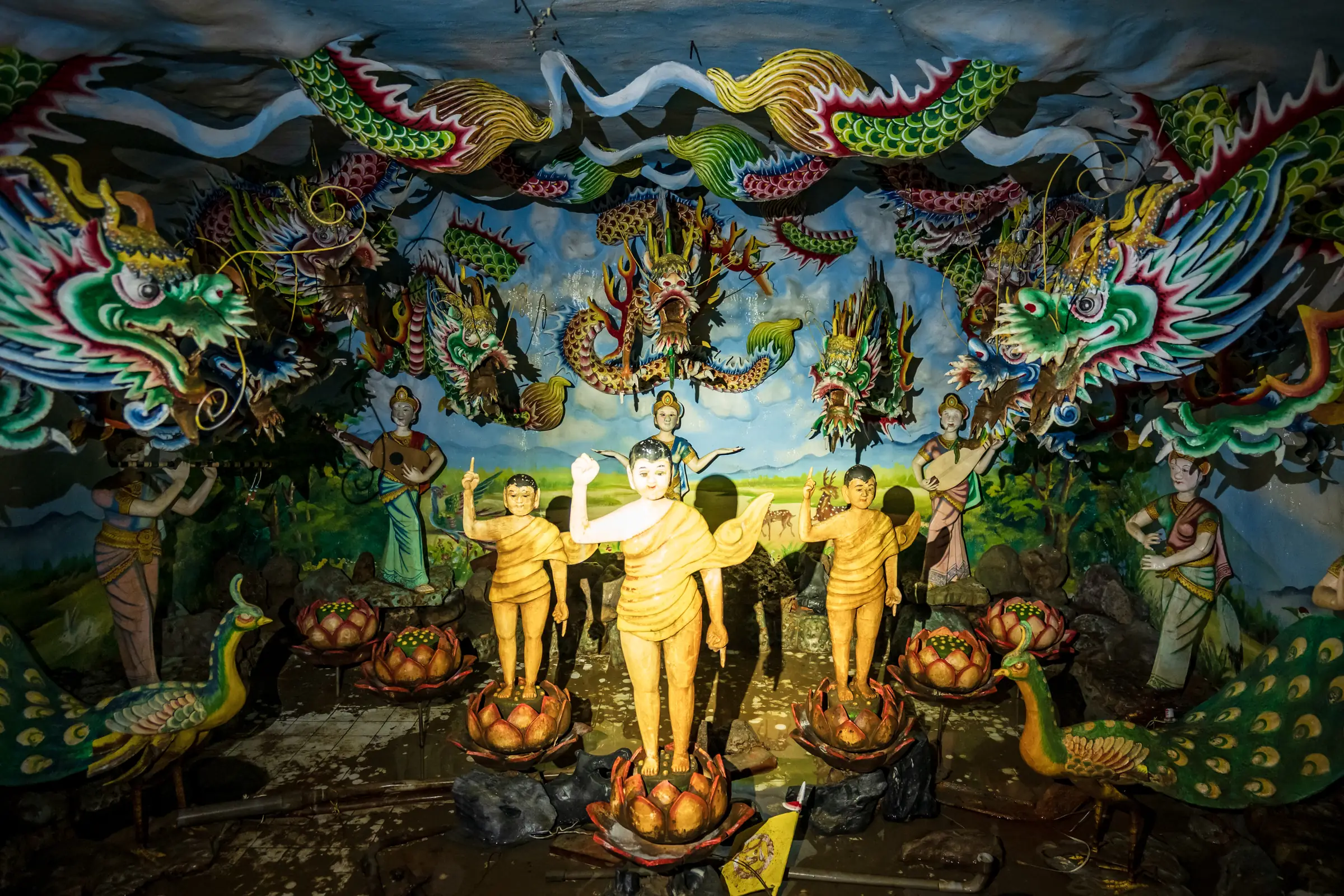
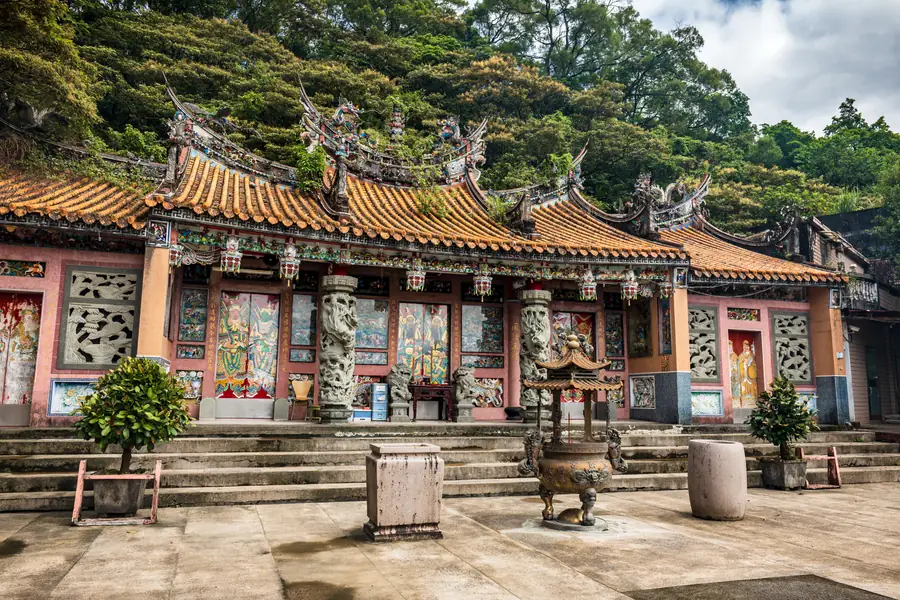
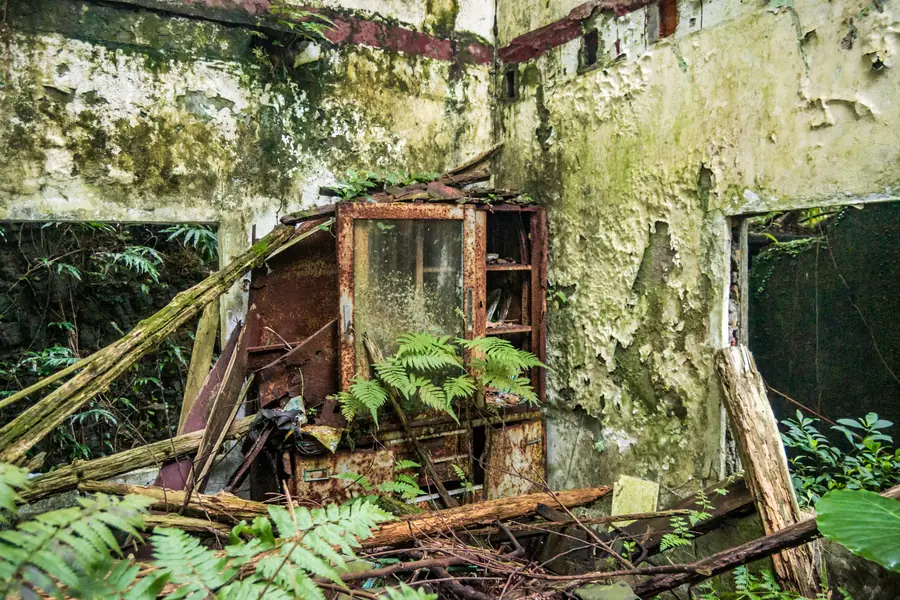
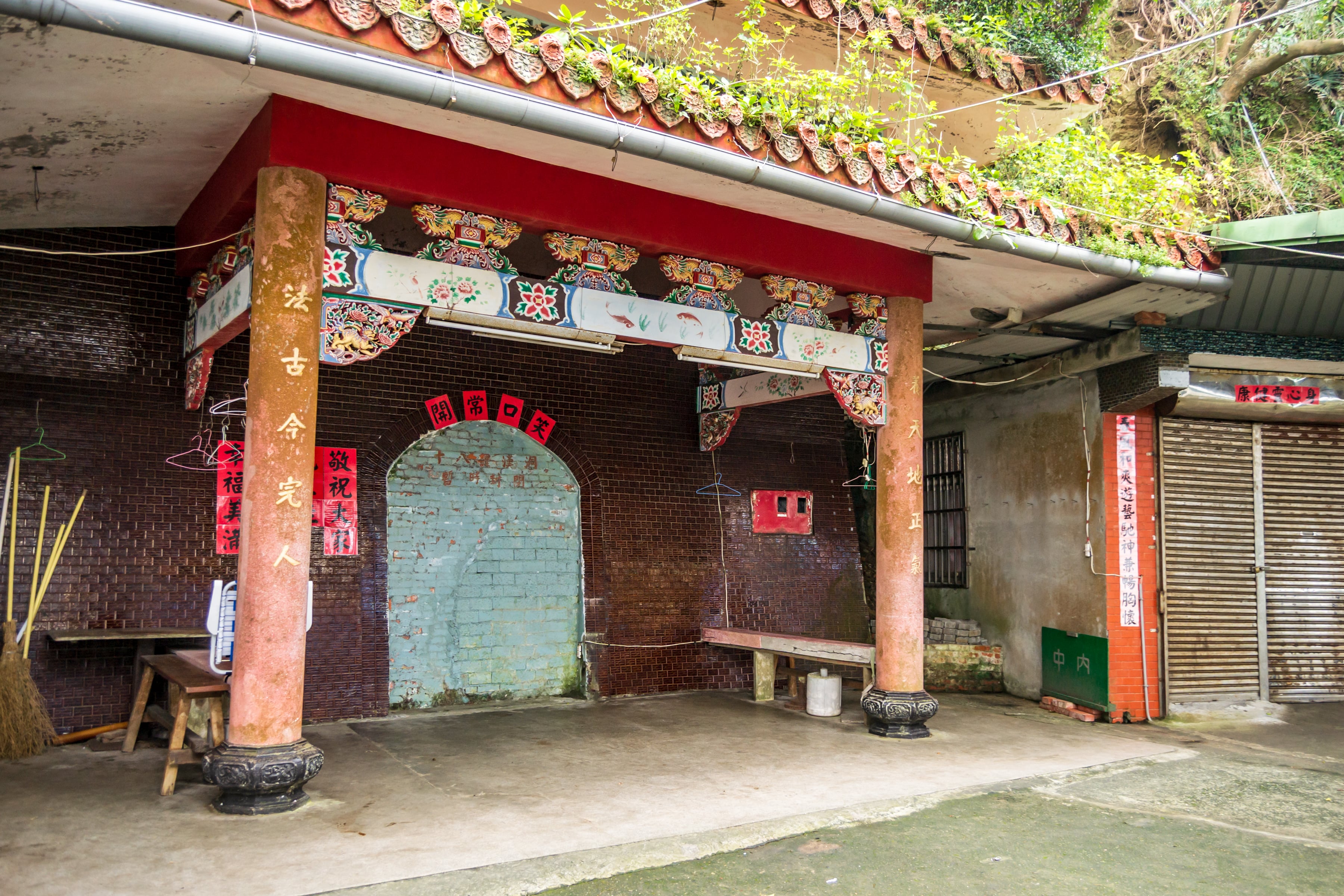
Located on the flank of Yunlong Mountain (雲龍山) in eastern Keelung, Eighteen Arhats Cave (十八羅漢洞) was established in 1971 as an outgrowth of the nearby Shengji Temple (聖濟宮), and likely occupies a former World War 2 bunker once manned by Japanese troops. Both initiatives were funded by Guo Yushui (郭玉水), a member of the local gentry from a family of Chinese medicine practitioners who later moved into local politics. It was a popular spot for domestic tourism in the 1970s, enshrining the eponymous arhats as well as numerous other deities and legendary figures. The cave temple suffered catastrophic damage during Typhoon Herb (颱風賀伯) in 1996 and subsequently closed. Much of what remained of the exterior of the attraction was dismantled in the early 2020s, and the site became a fixture of the urban exploration scene in Taiwan shortly thereafter.
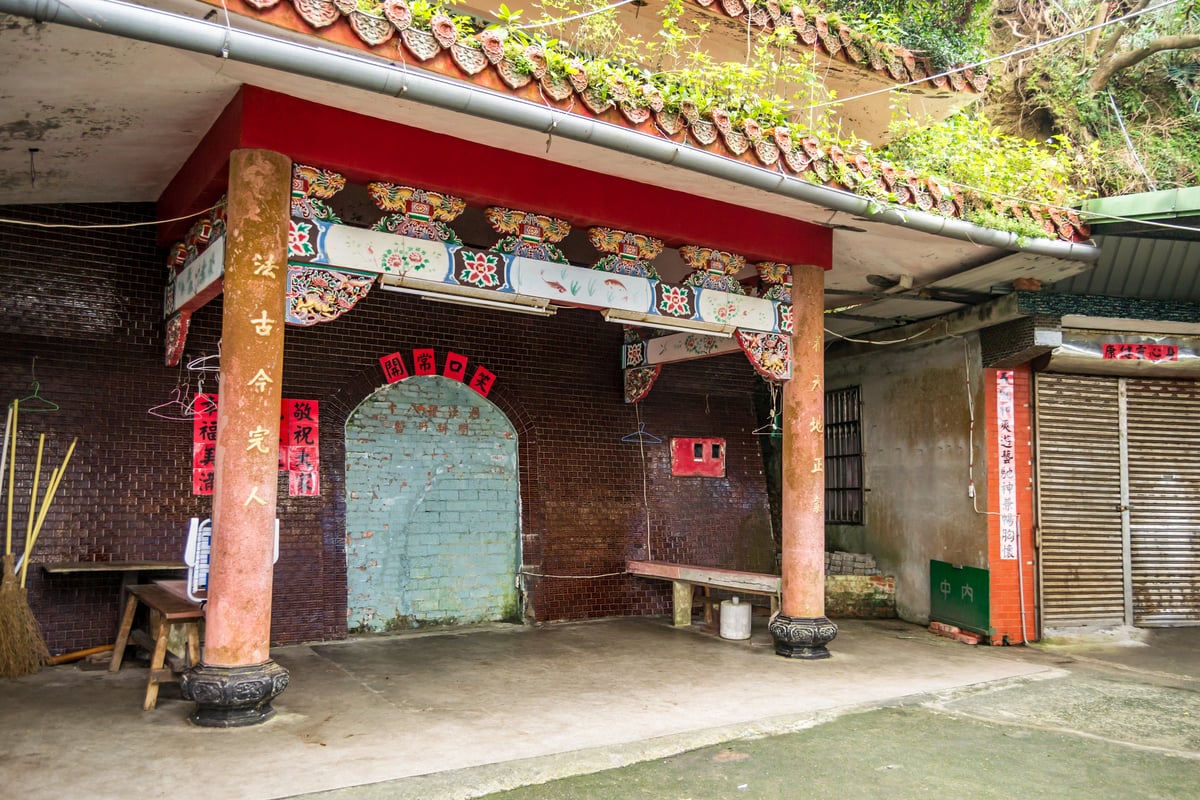
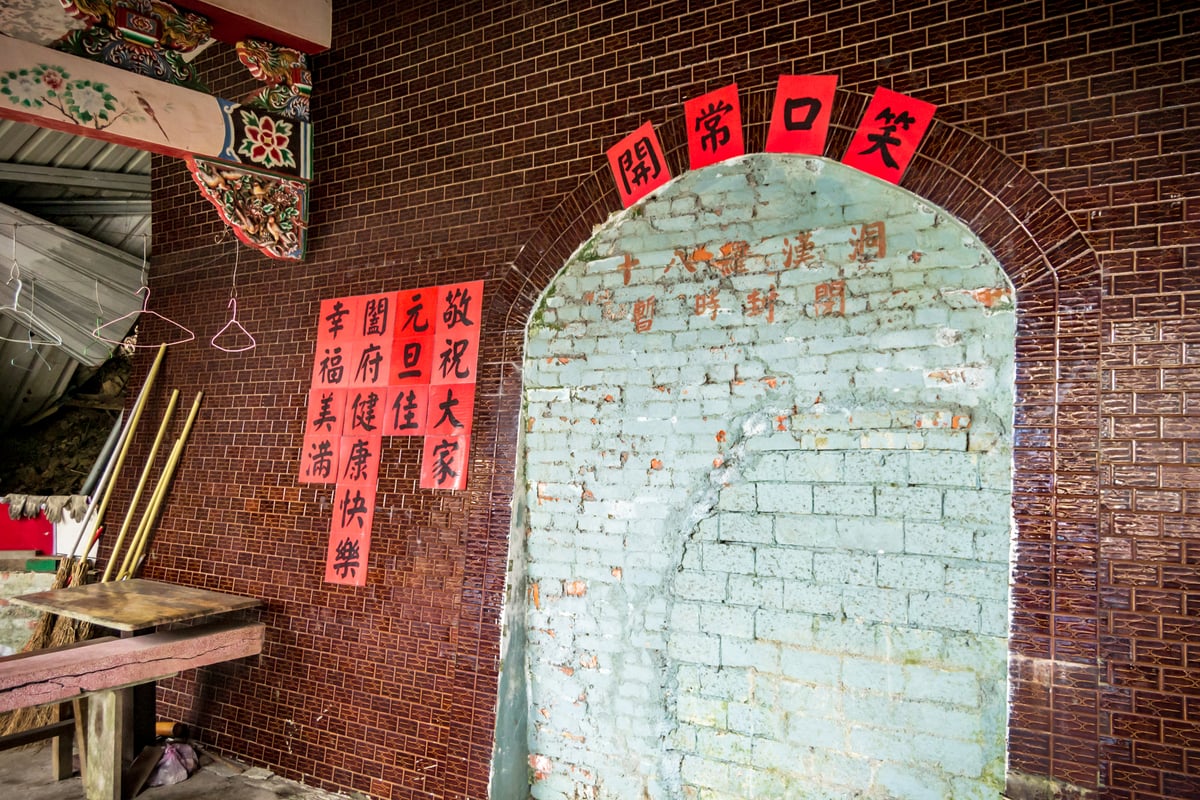
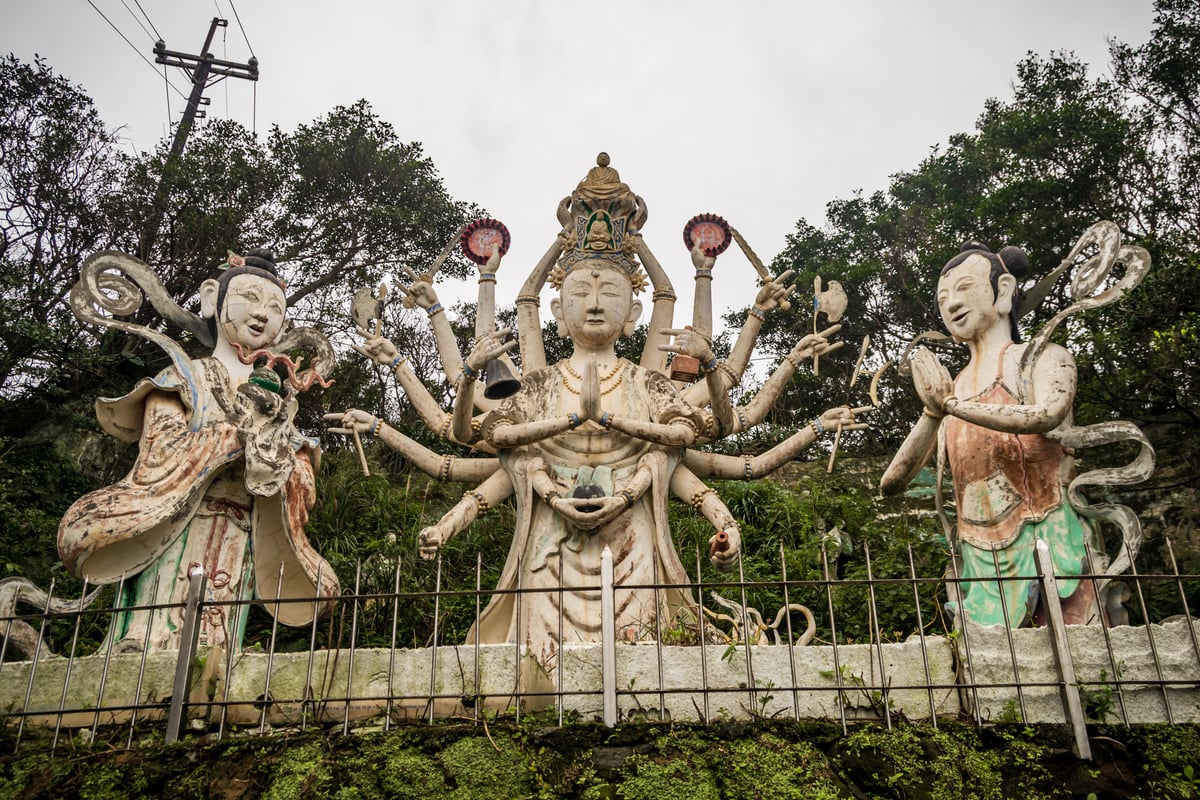
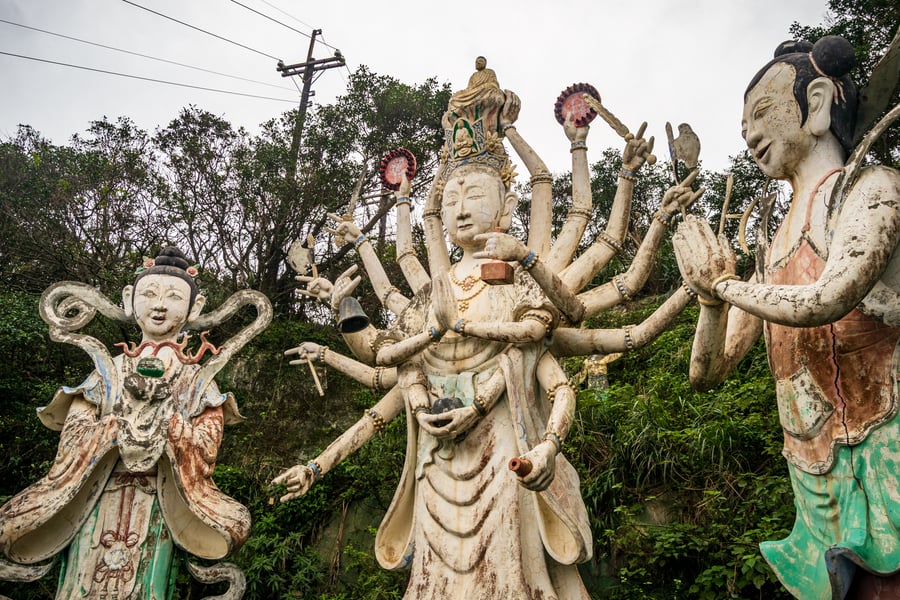
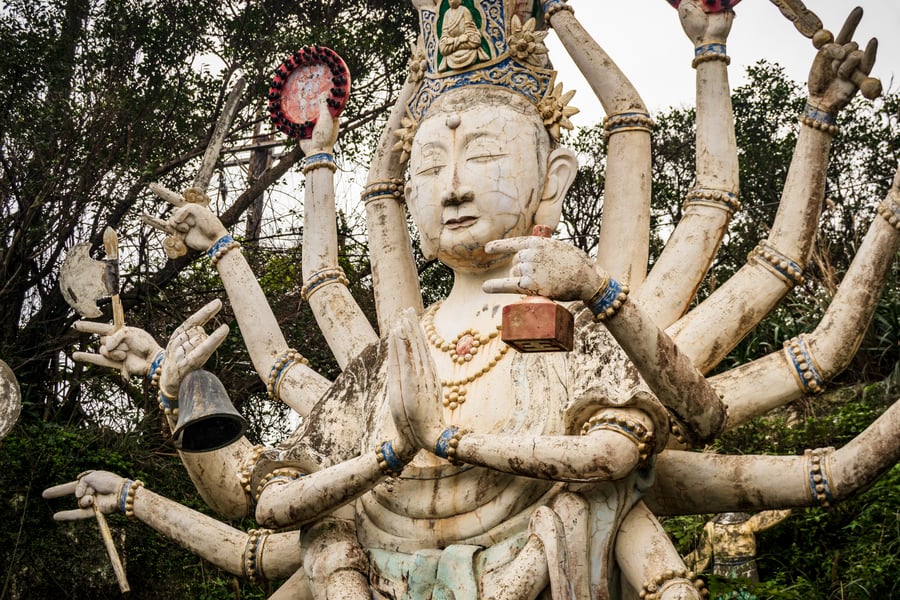
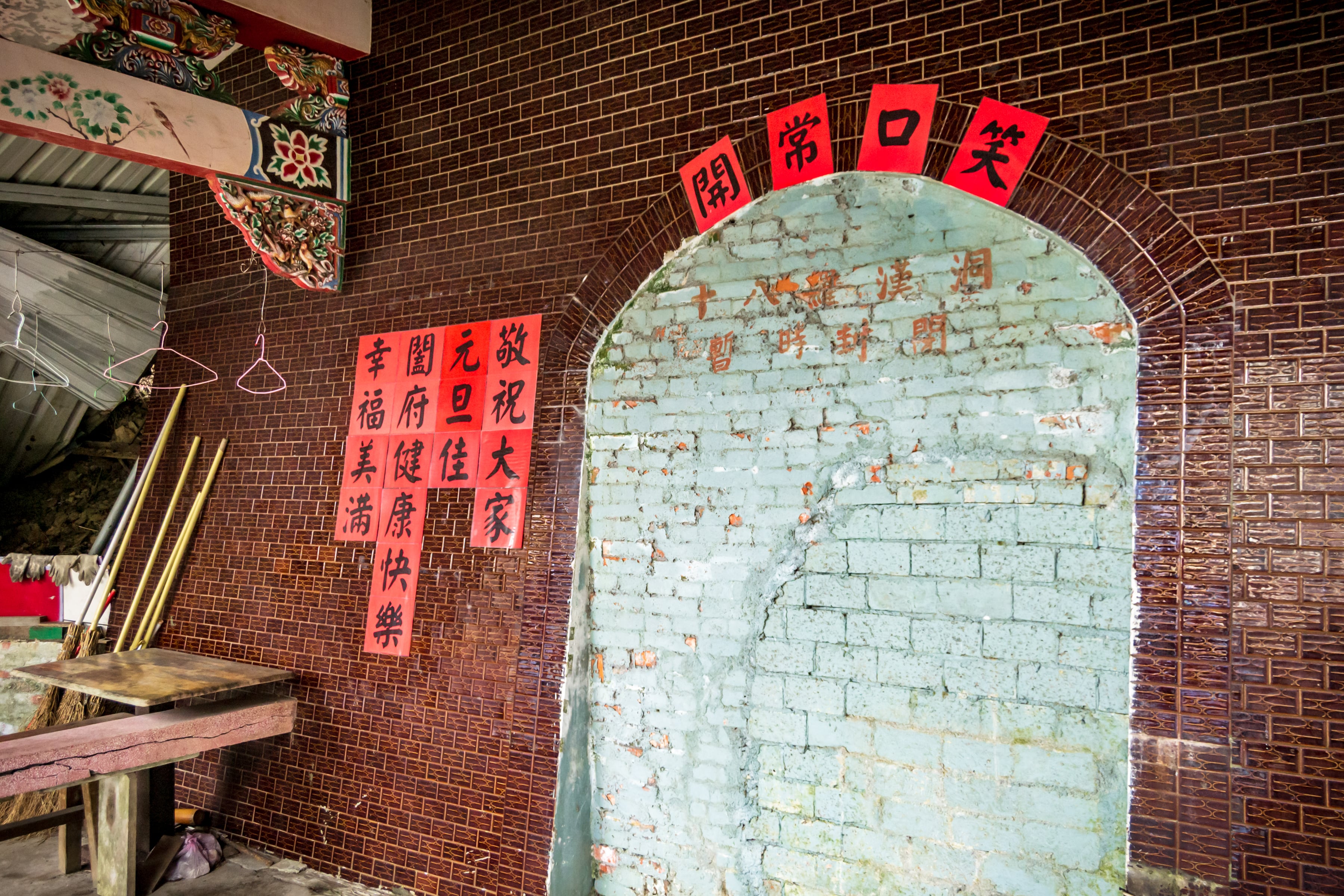
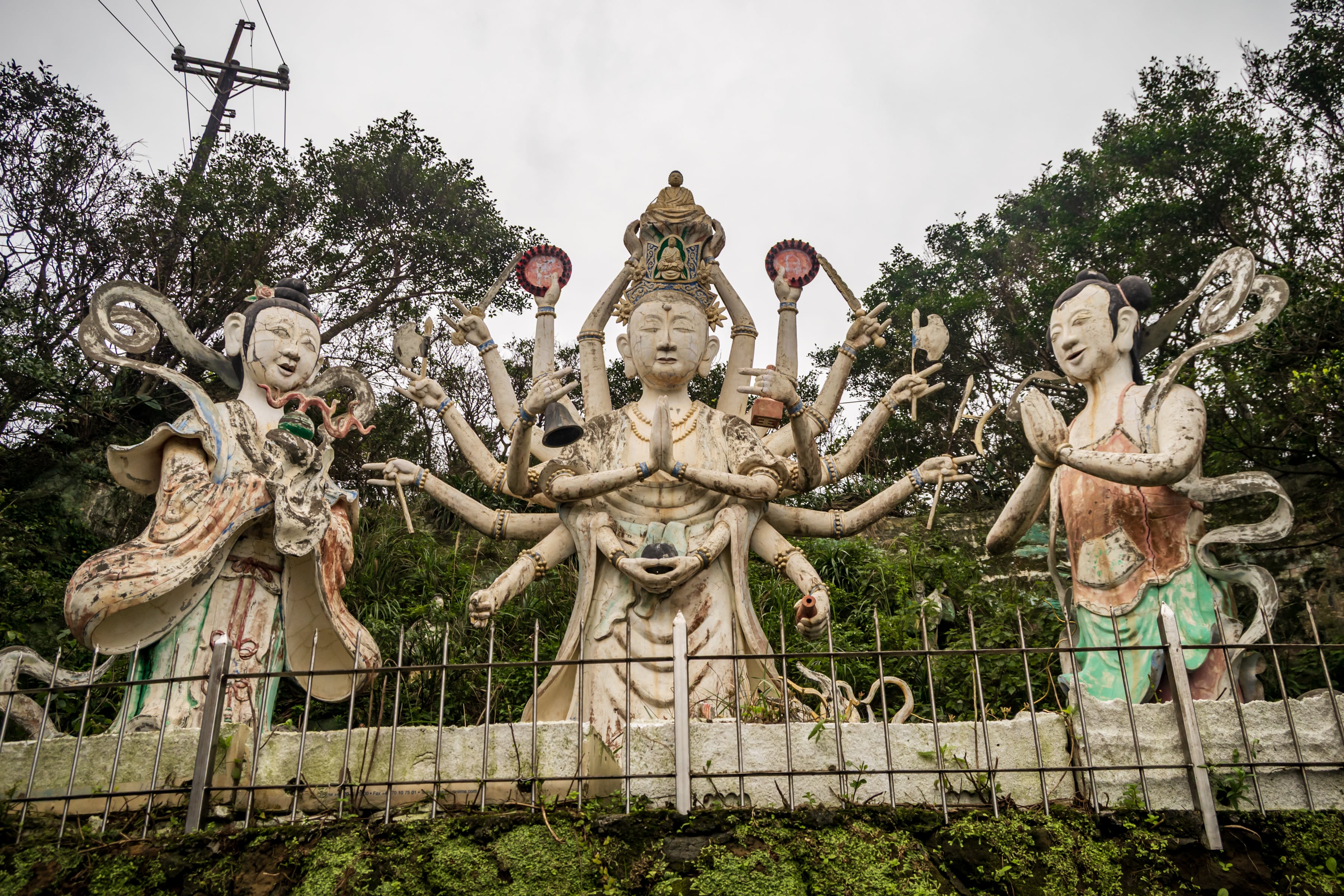
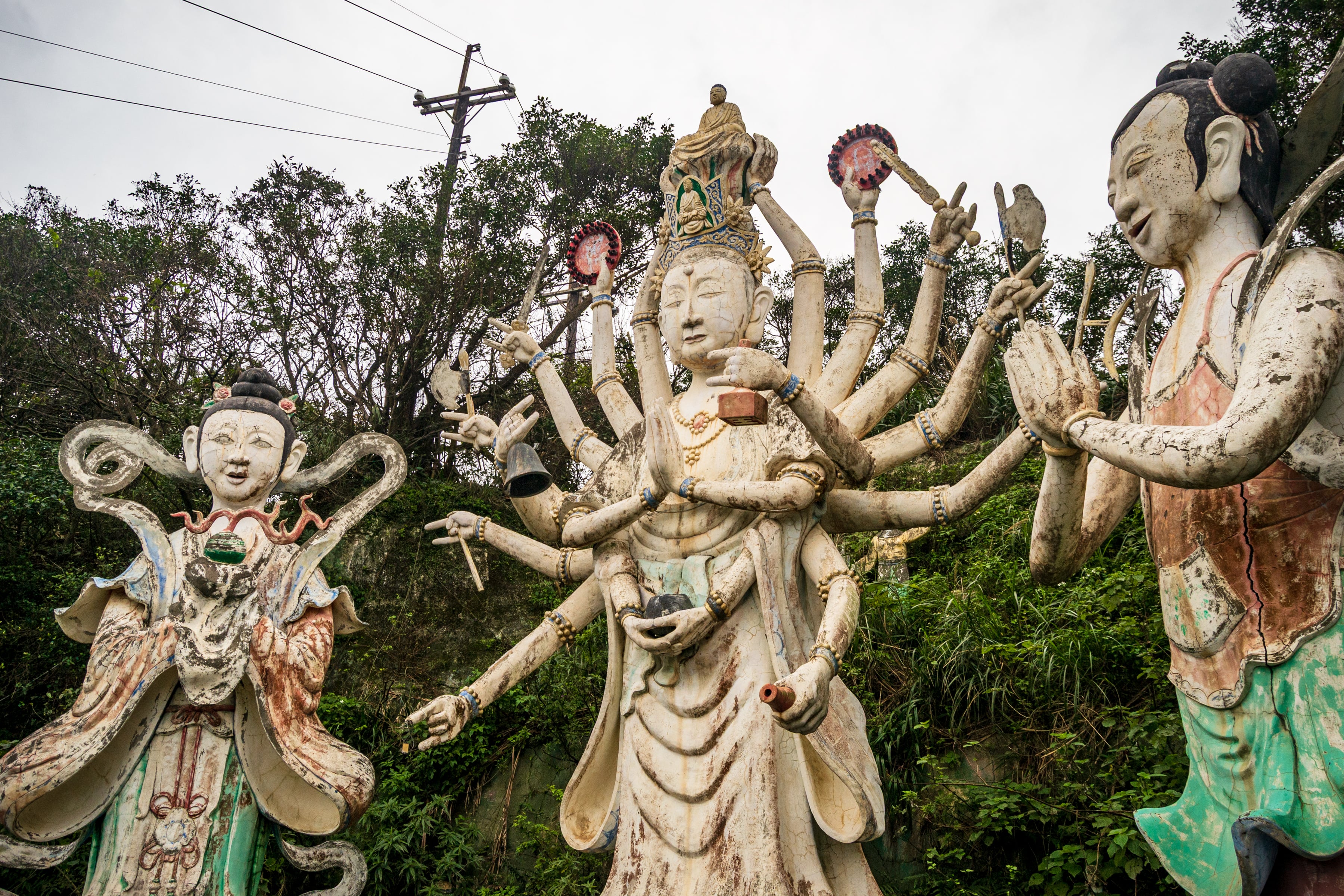
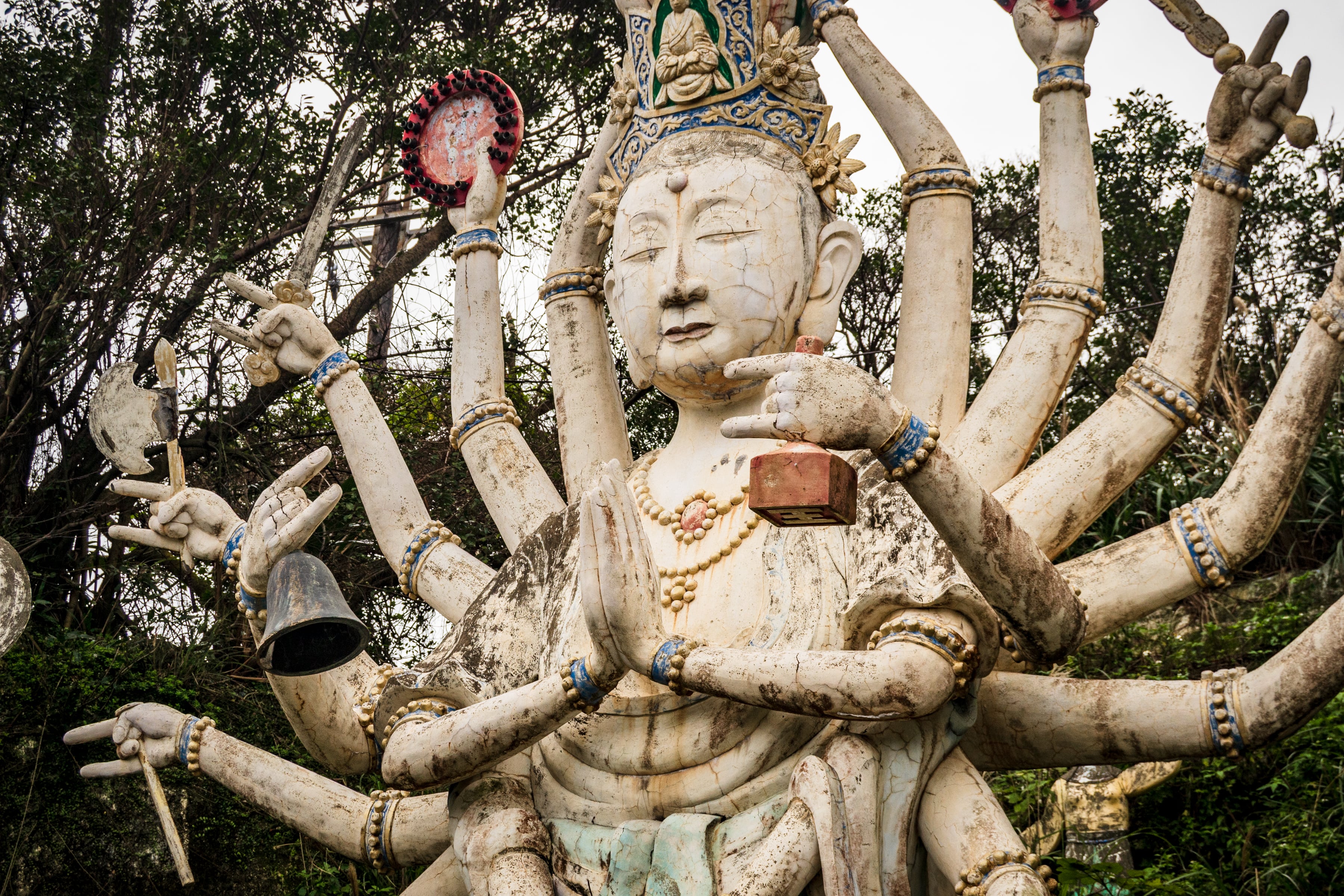
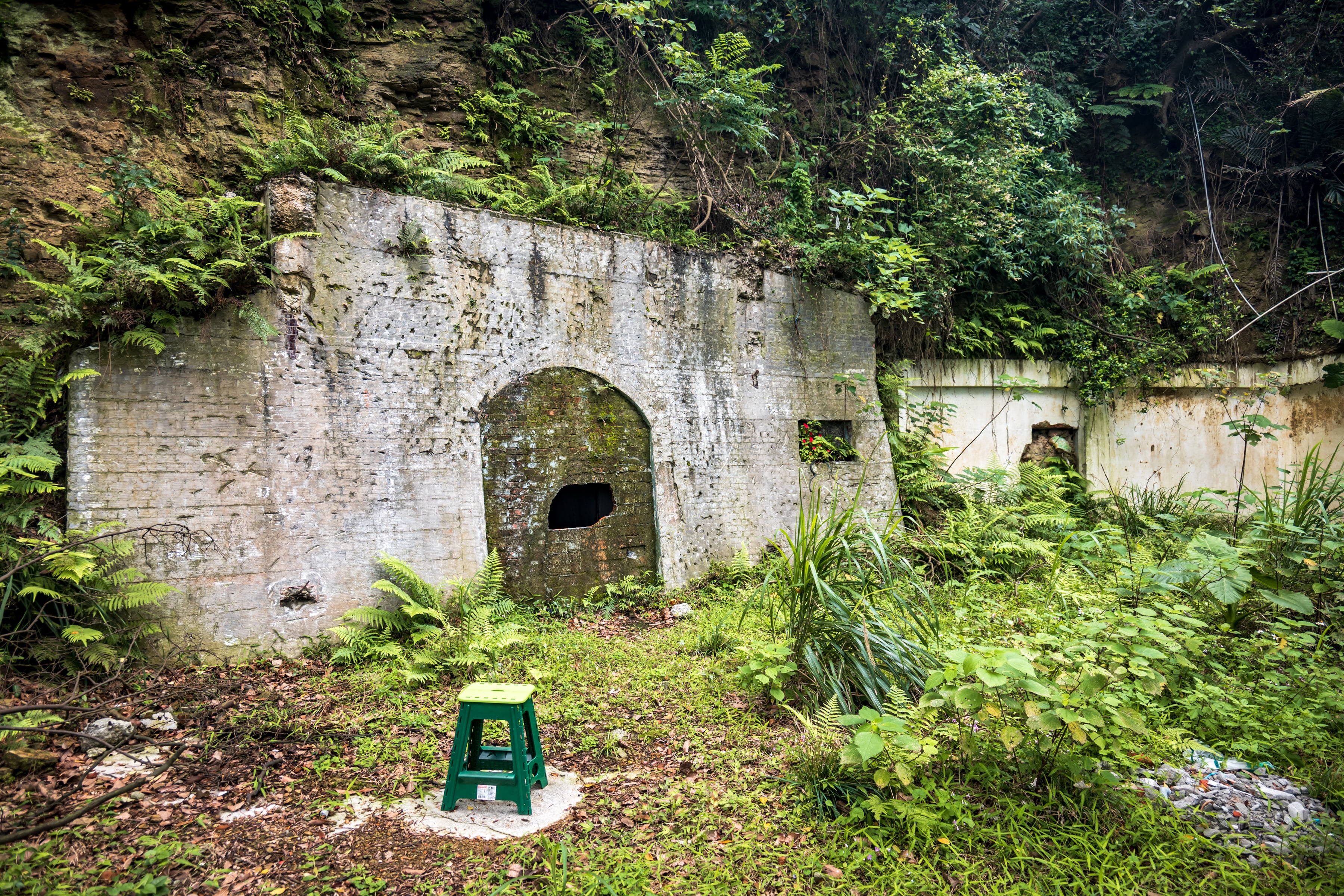
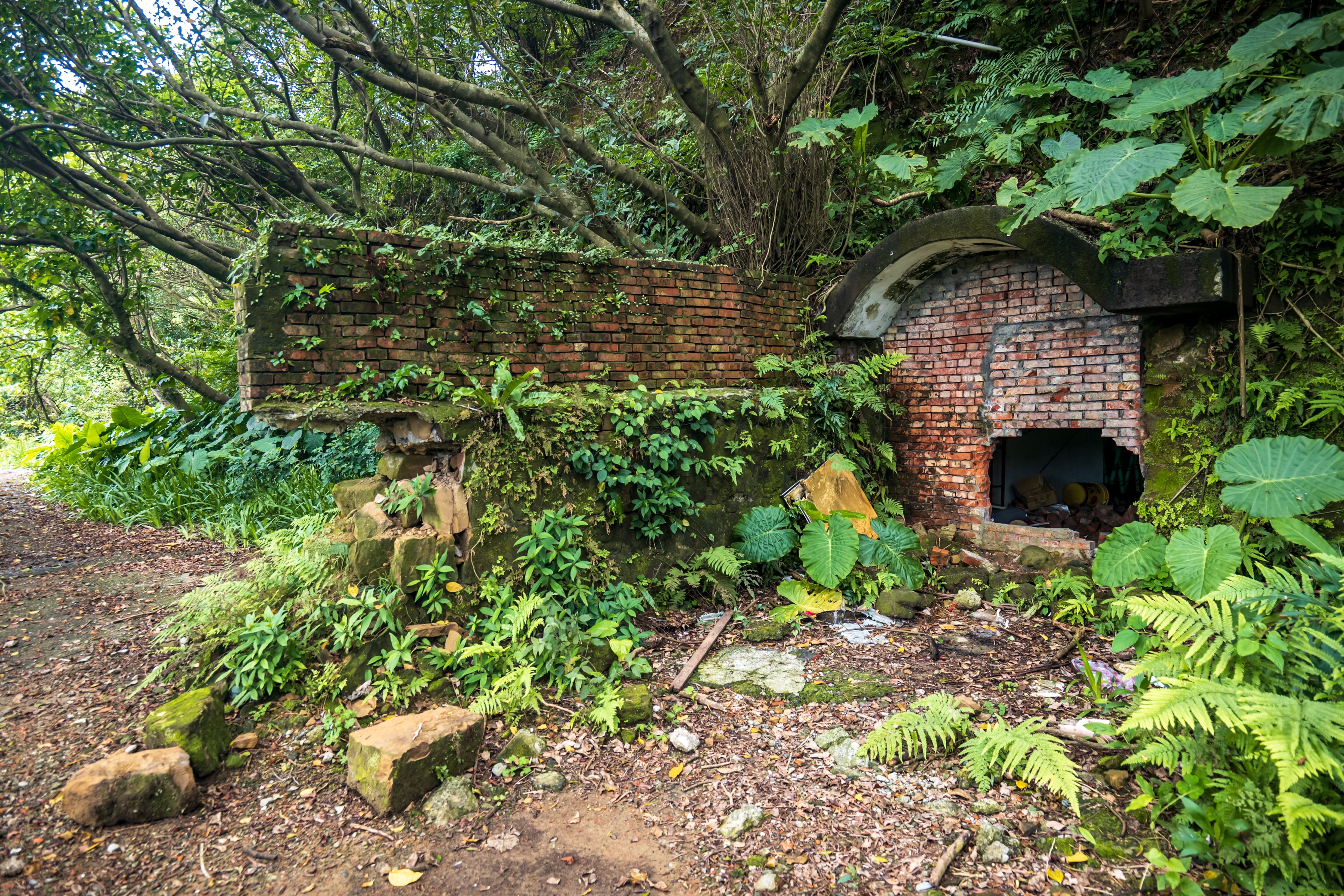
My first visit to the cave took place in 2016, entirely by chance. I was hiking down from Ershanwan Fort when I happened to pass by the distinctive entrance to the cave with several giant statues looming overhead1. I had no idea what this place was but when I learned the basics about its history—that it was a cave temple sealed after typhoon damage—I found myself captivated by the idea of whatever lay behind the bricked-up entrance, watched over by the serene visage of a Thousand-Armed Guanyin (千手觀音).
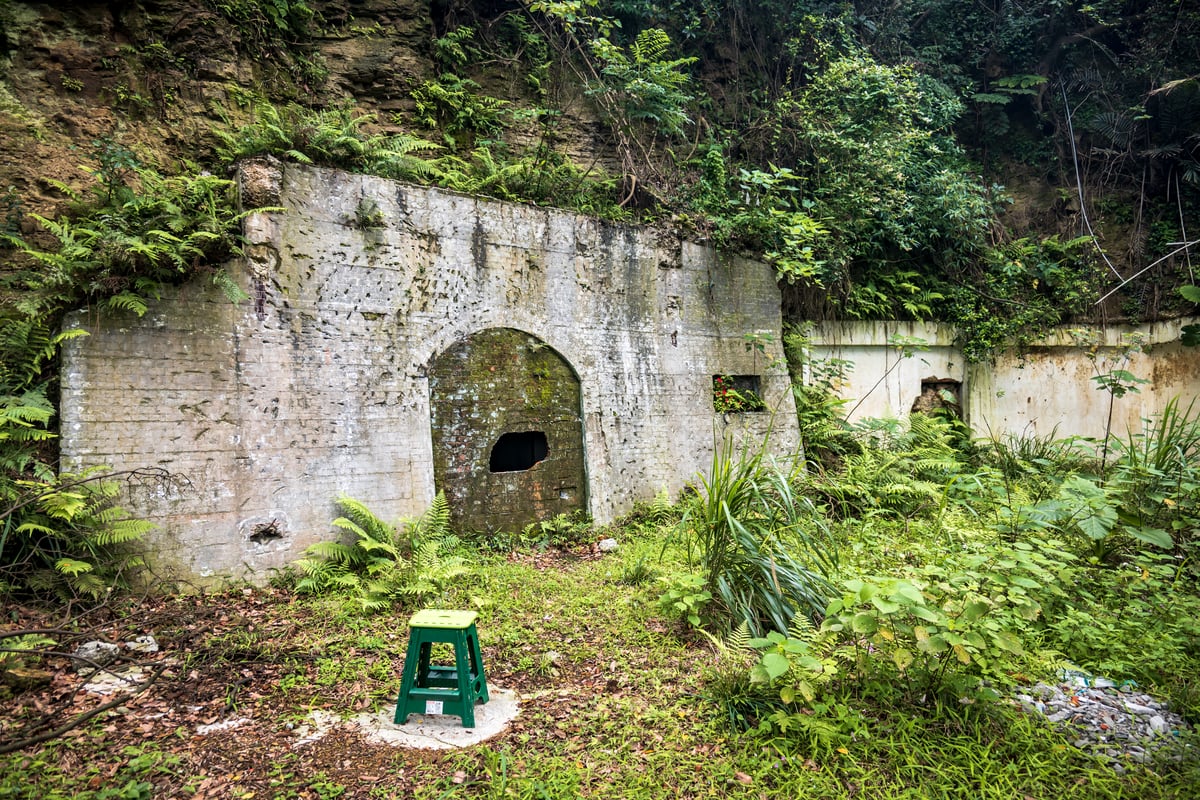
In the early 2020s photos began to surface in the urban exploration community that might have come from the cave. I visited Keelung several times from 2023 and 2025 and breezed by to check it out. Sure enough, someone had smashed a hole in the brick wall, and it was possible to take a peek inside. I was not prepared for any spelunking on that first visit so I only captured some photos from the entrance and vowed to return, better equipped and with friends, for there is safety in numbers on this kind of mission.
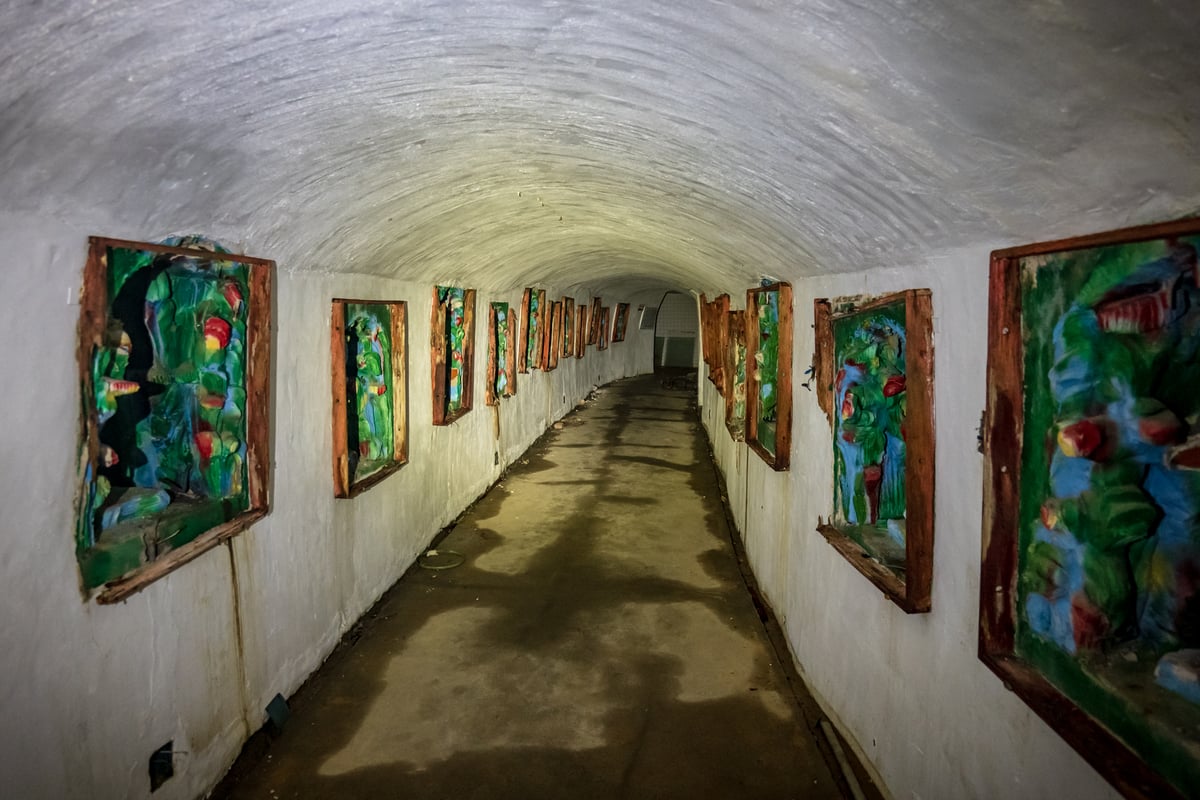
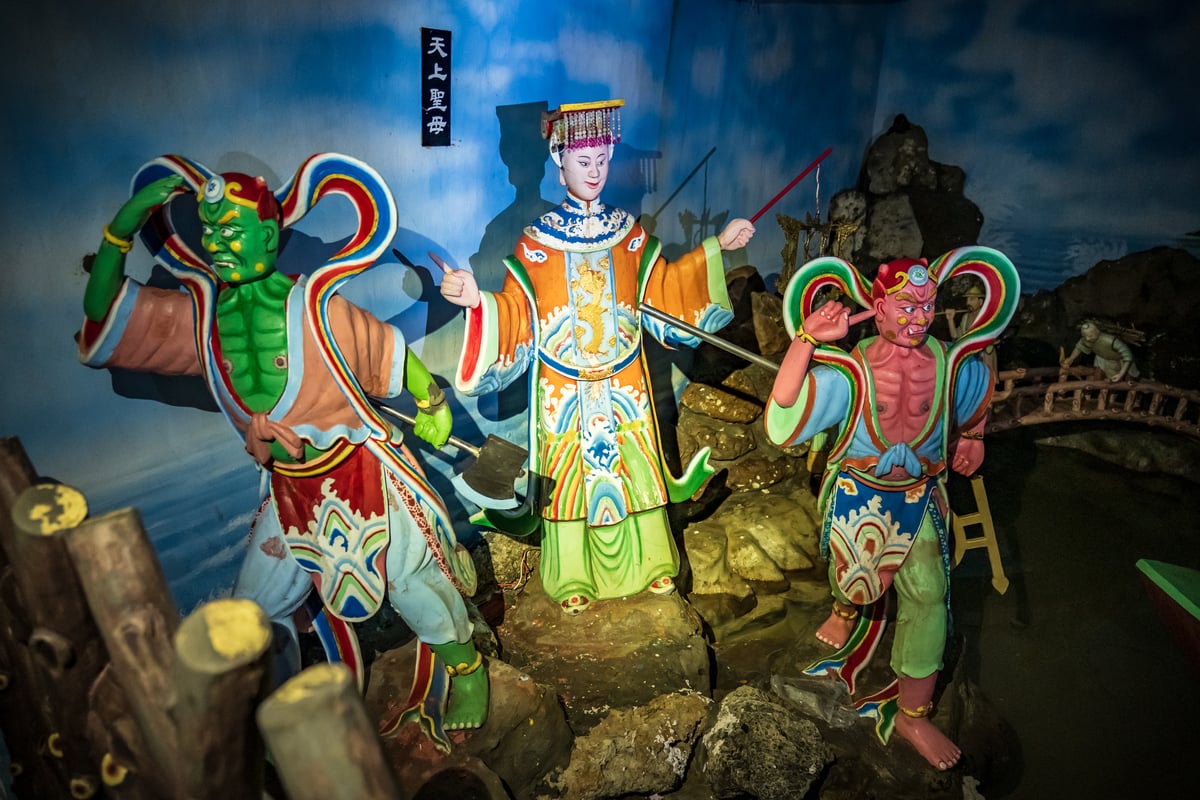
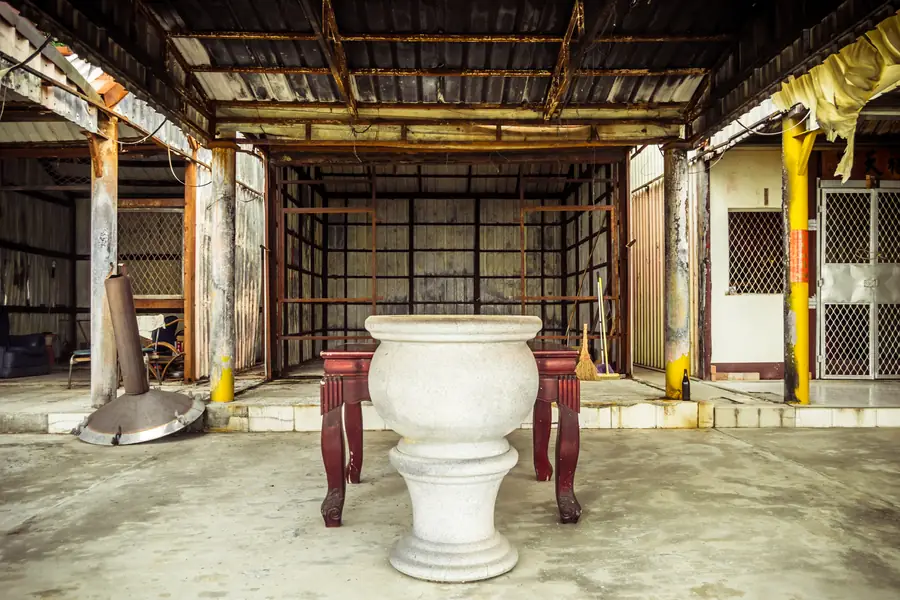
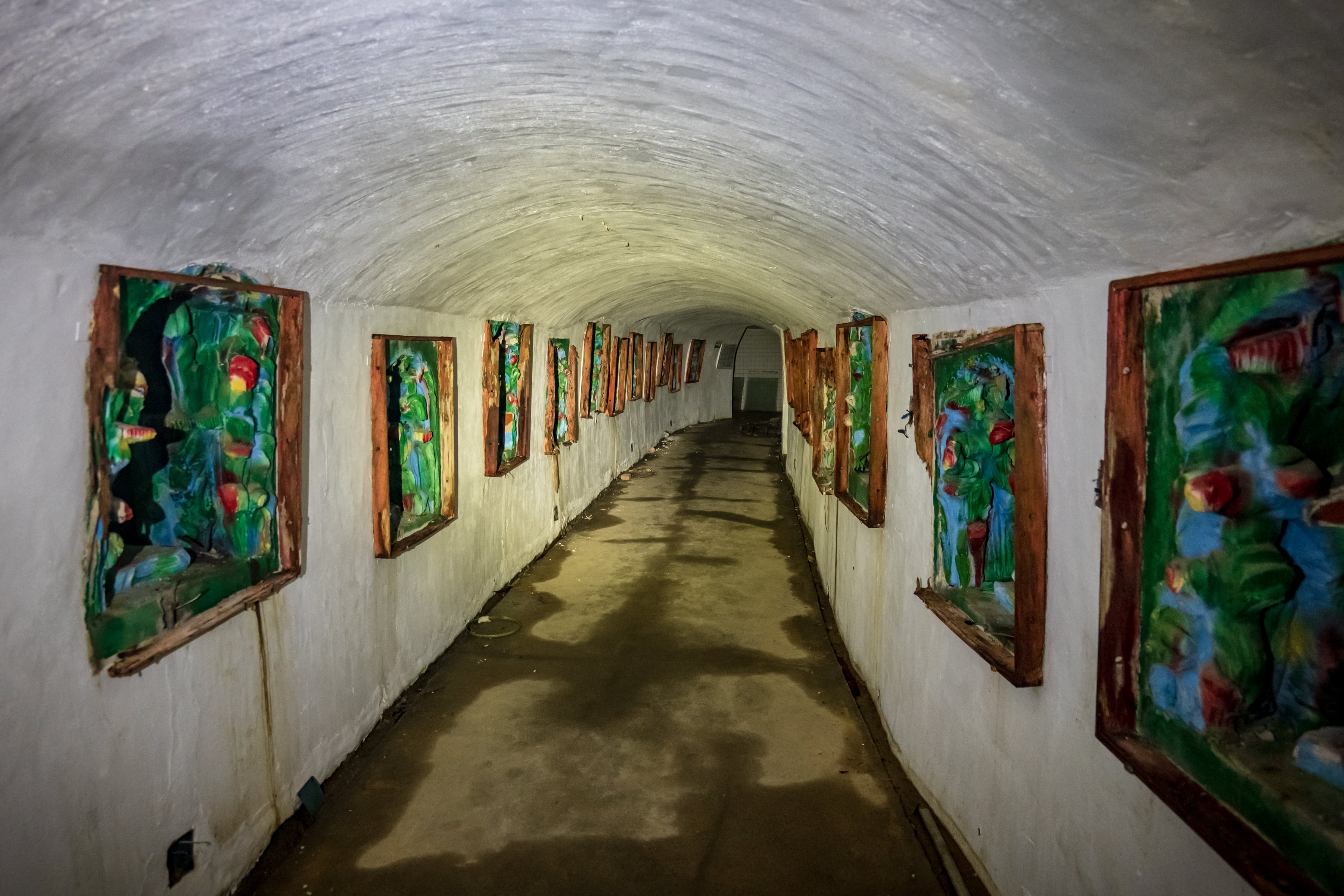
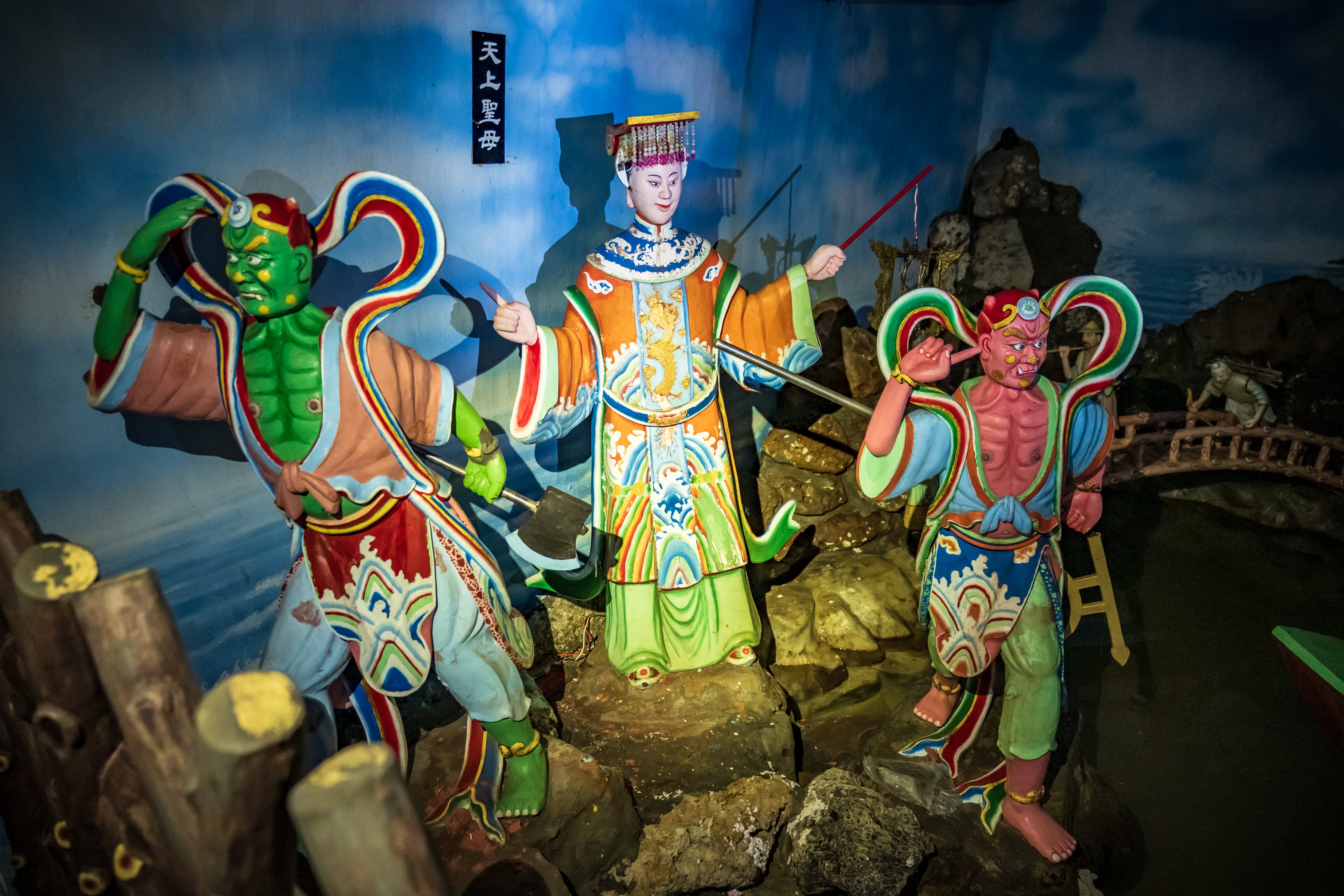
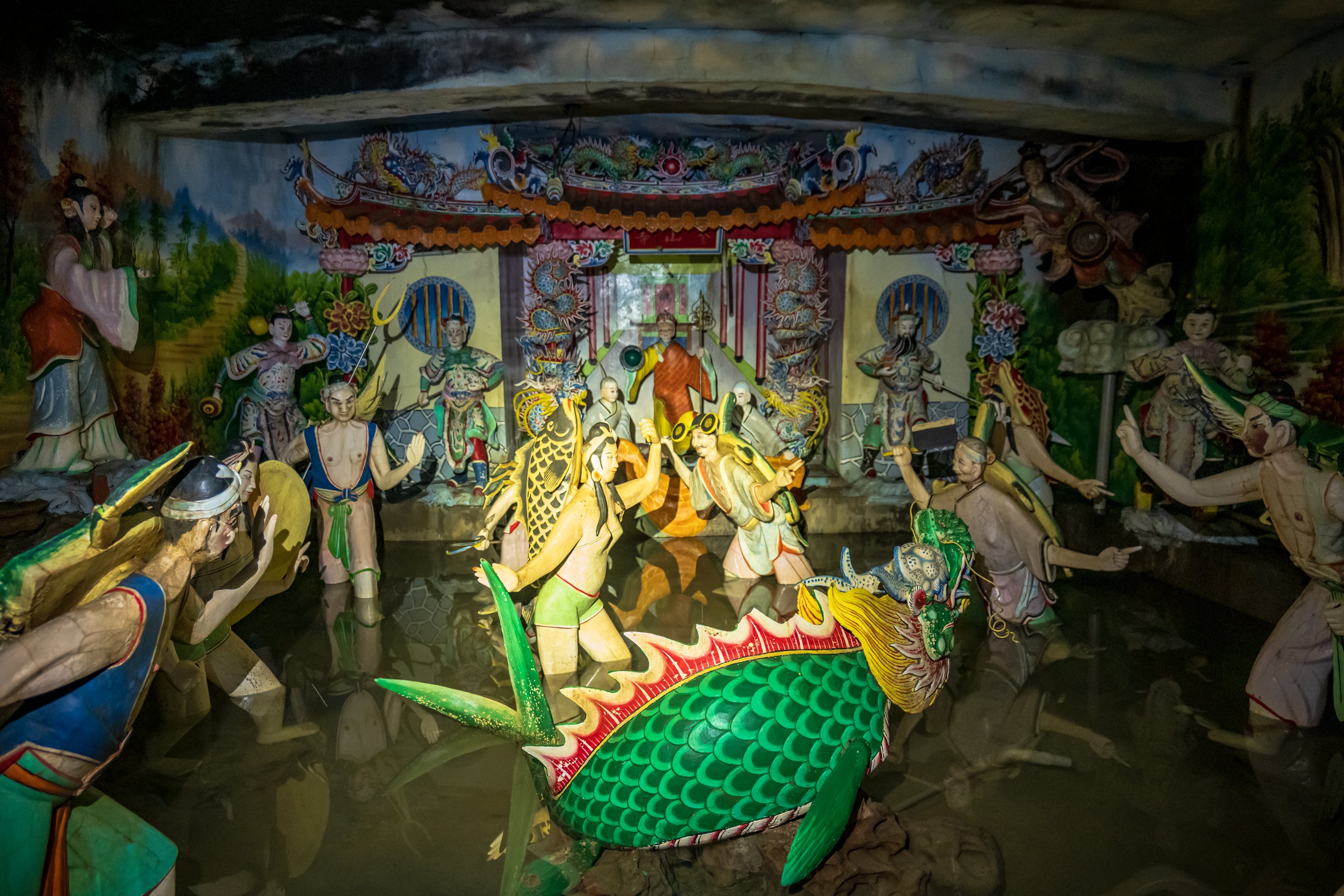
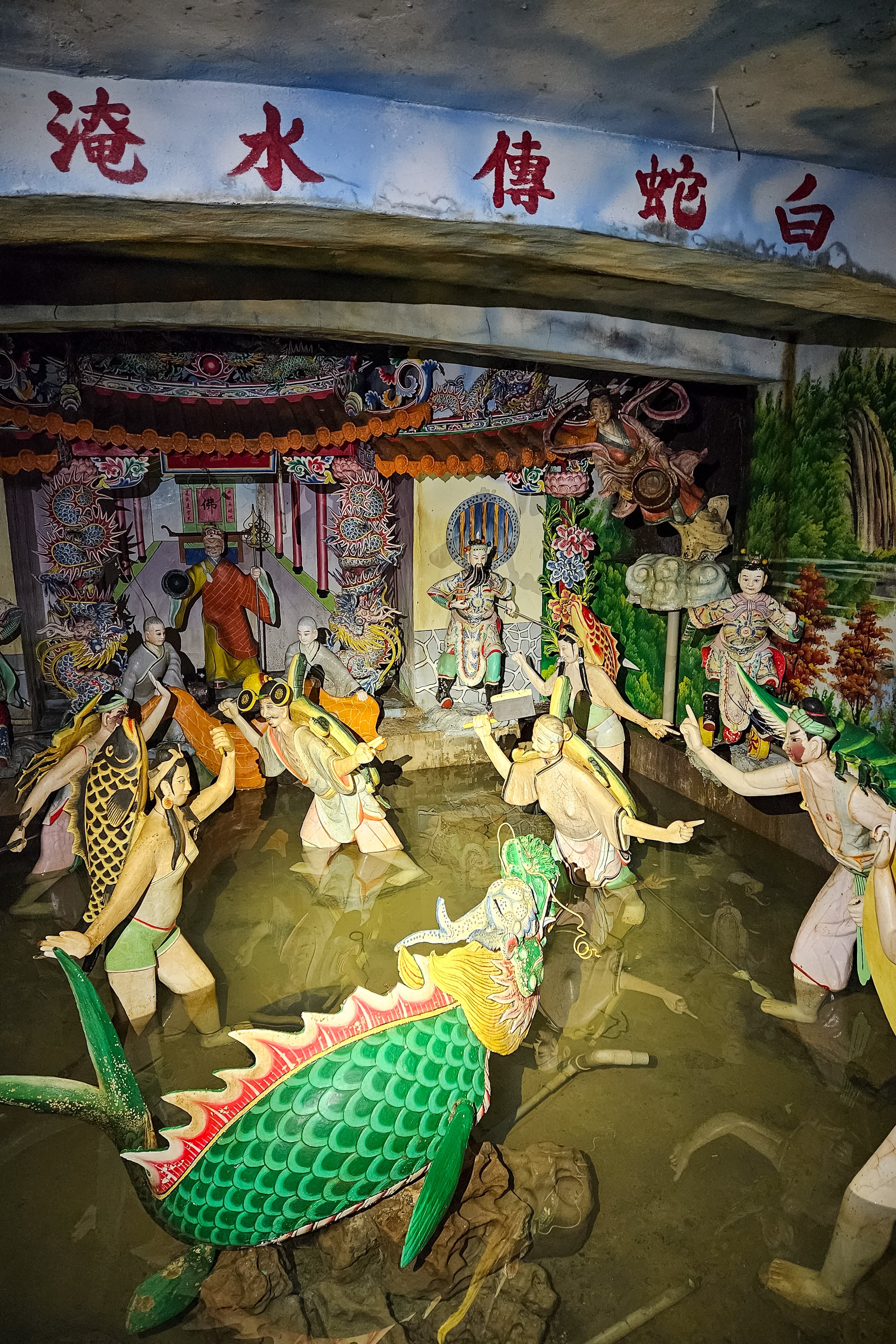
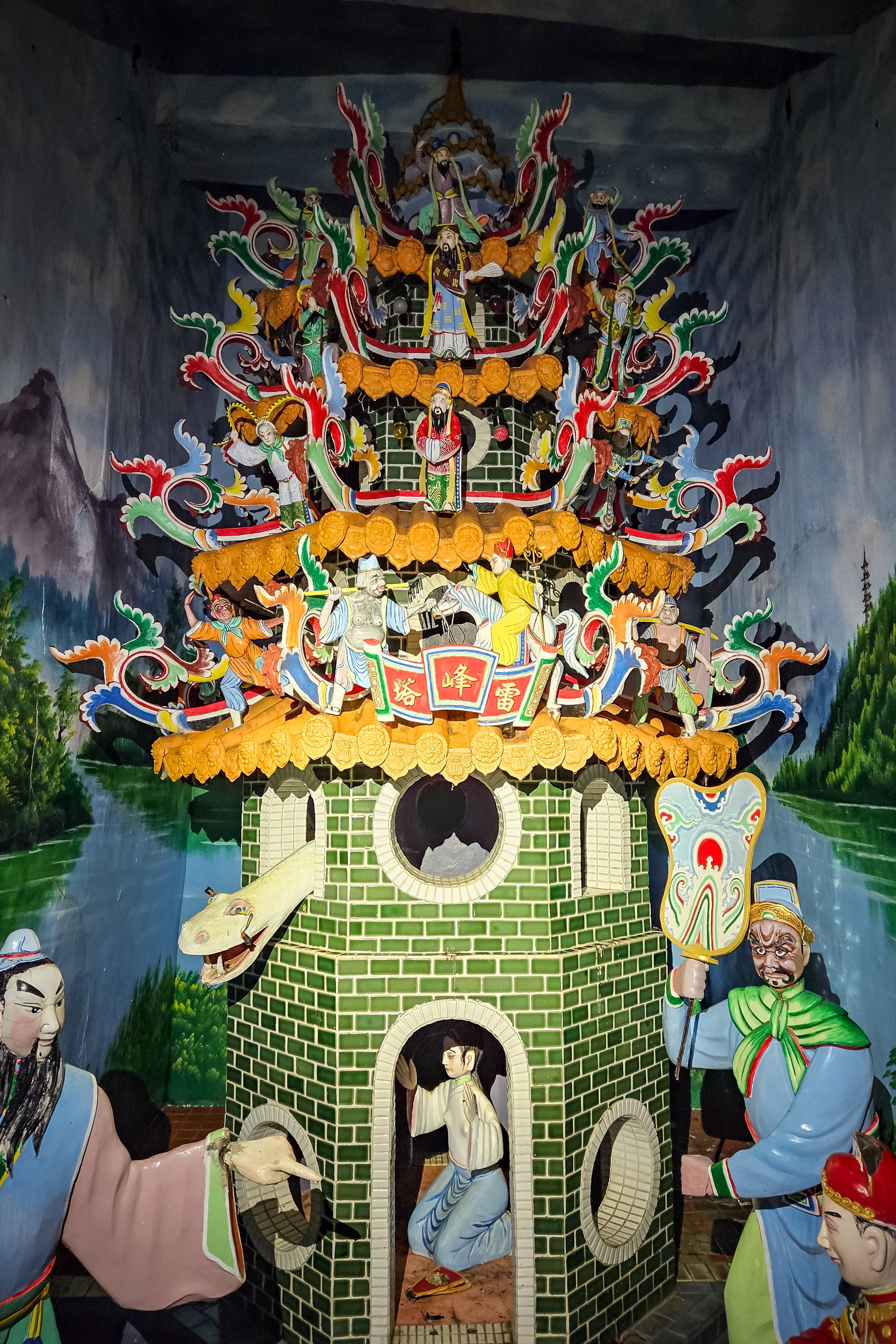
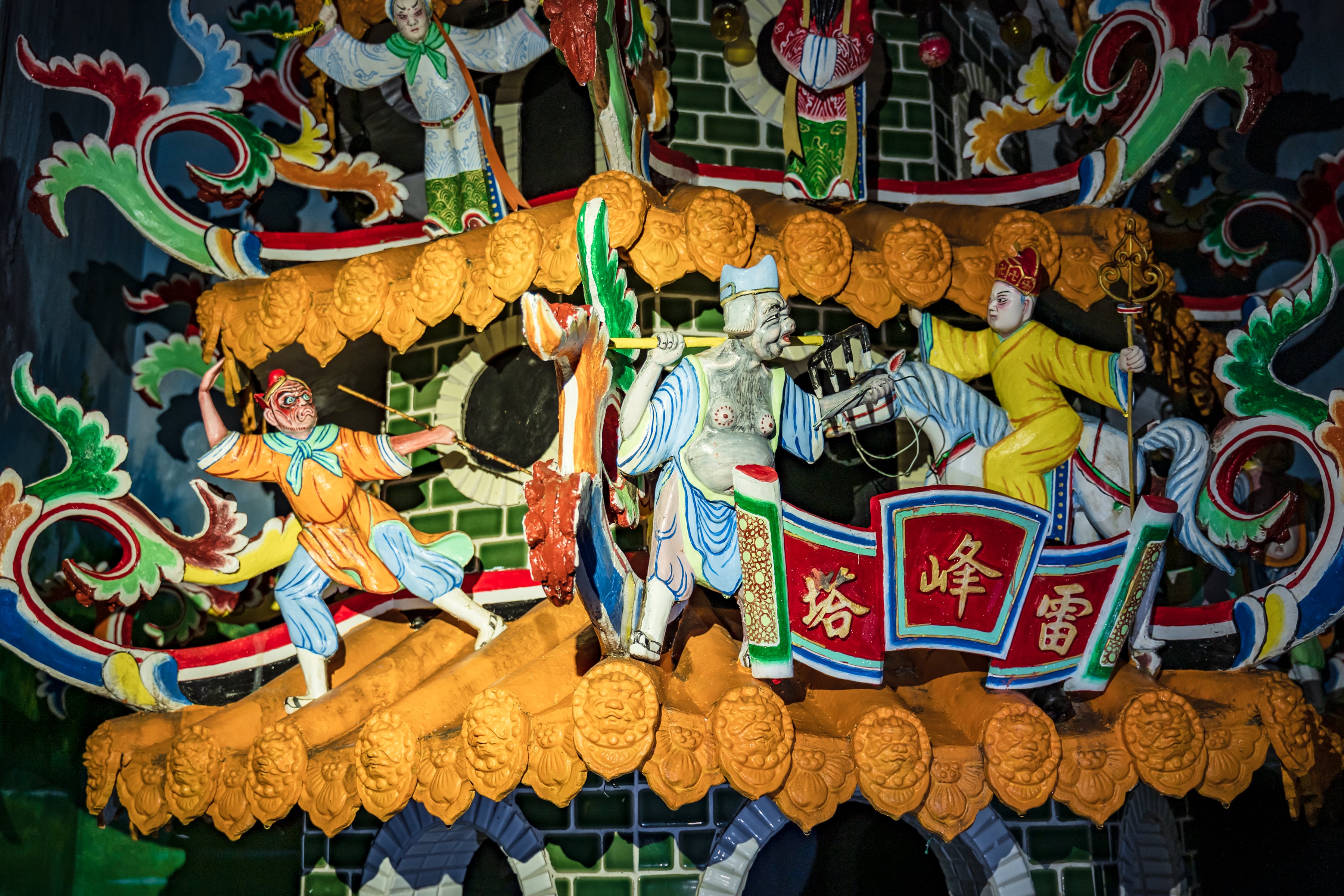
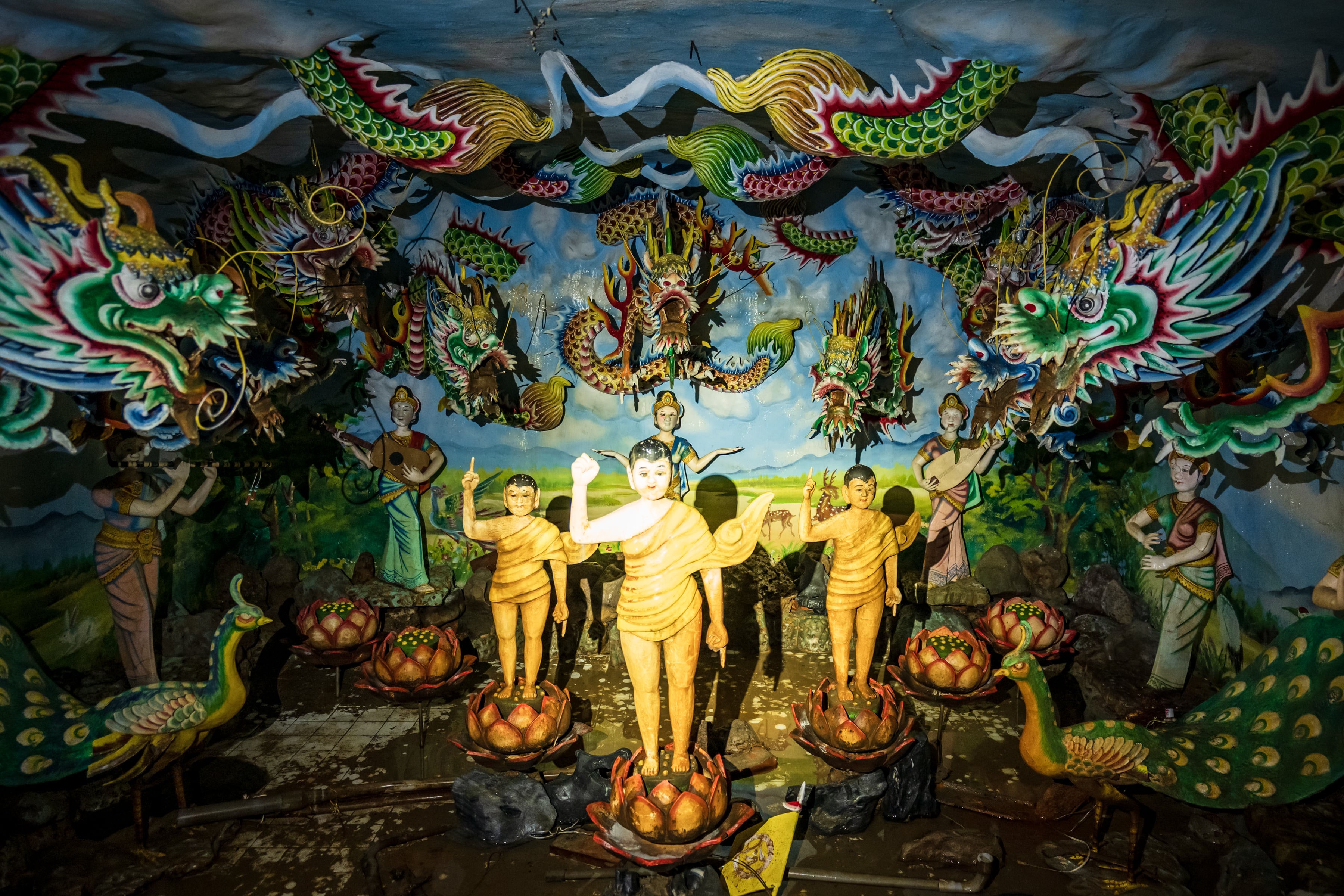
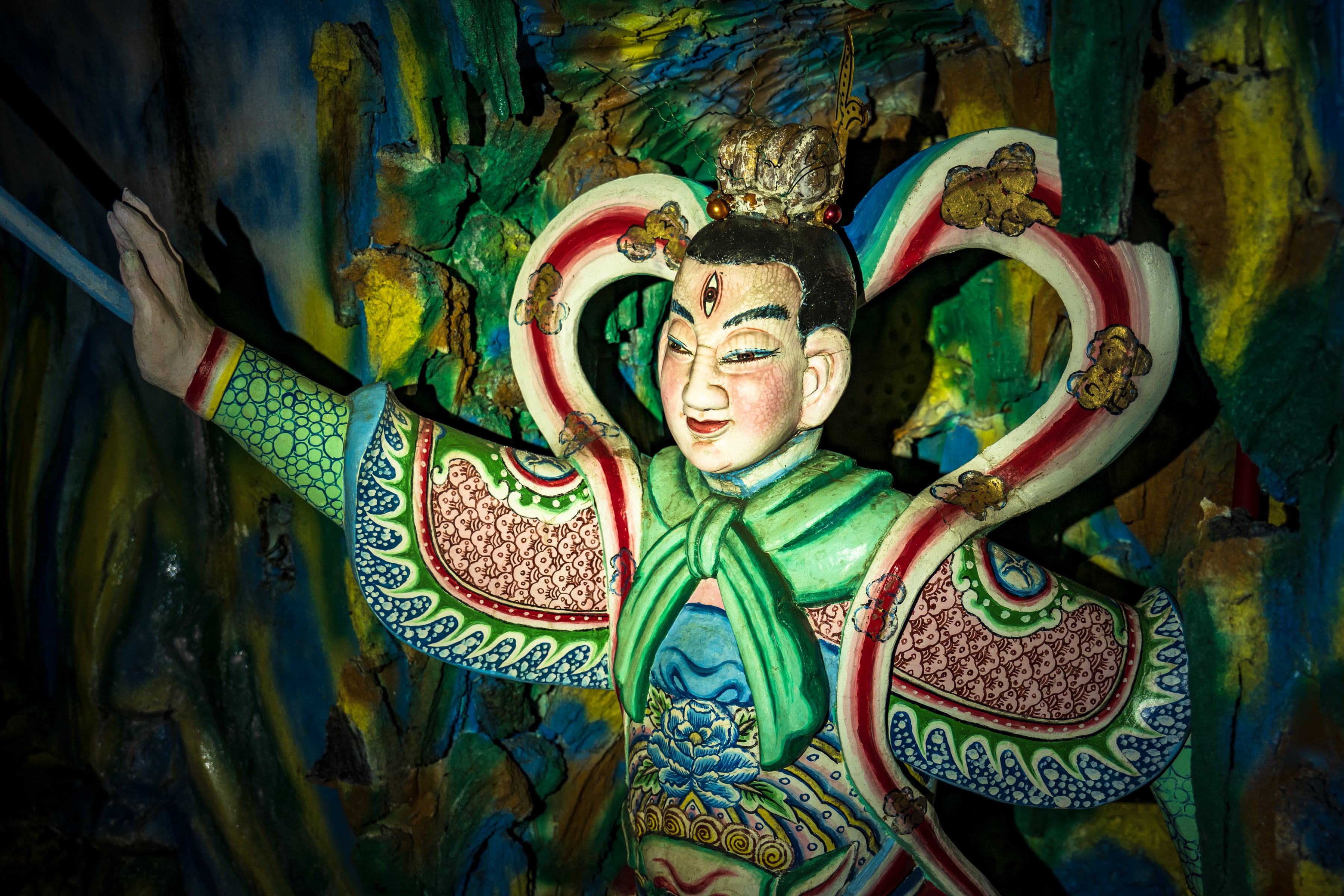
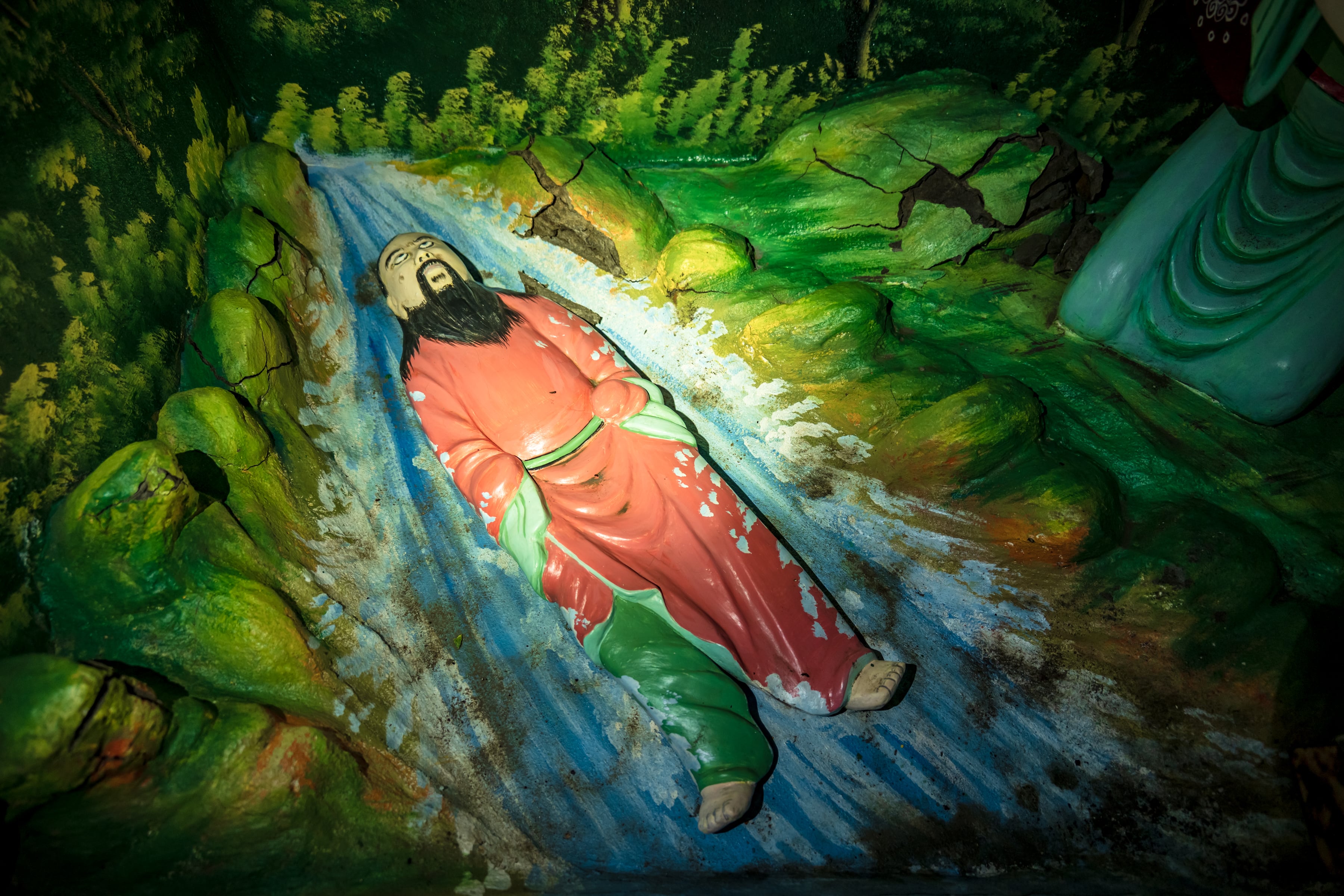
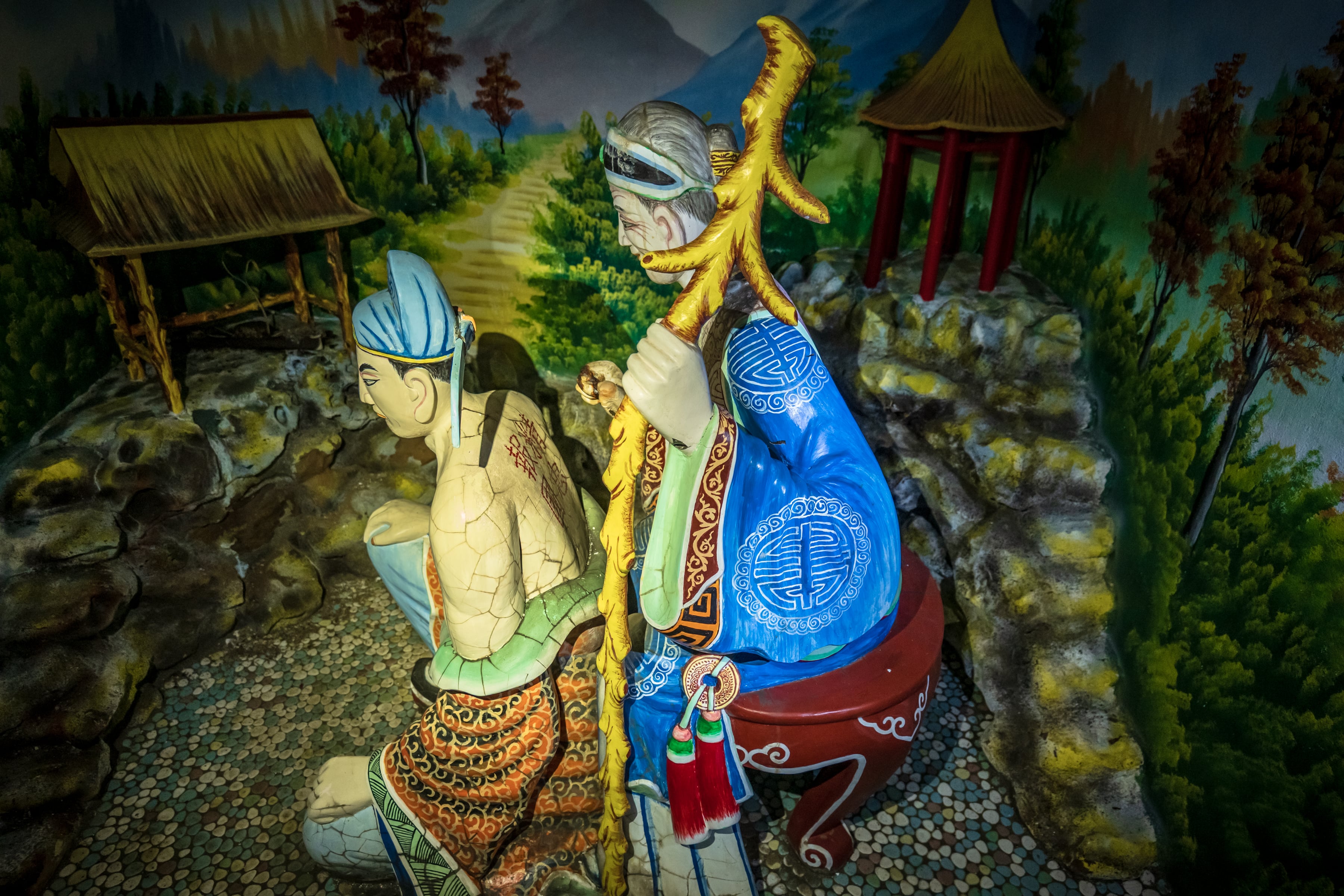
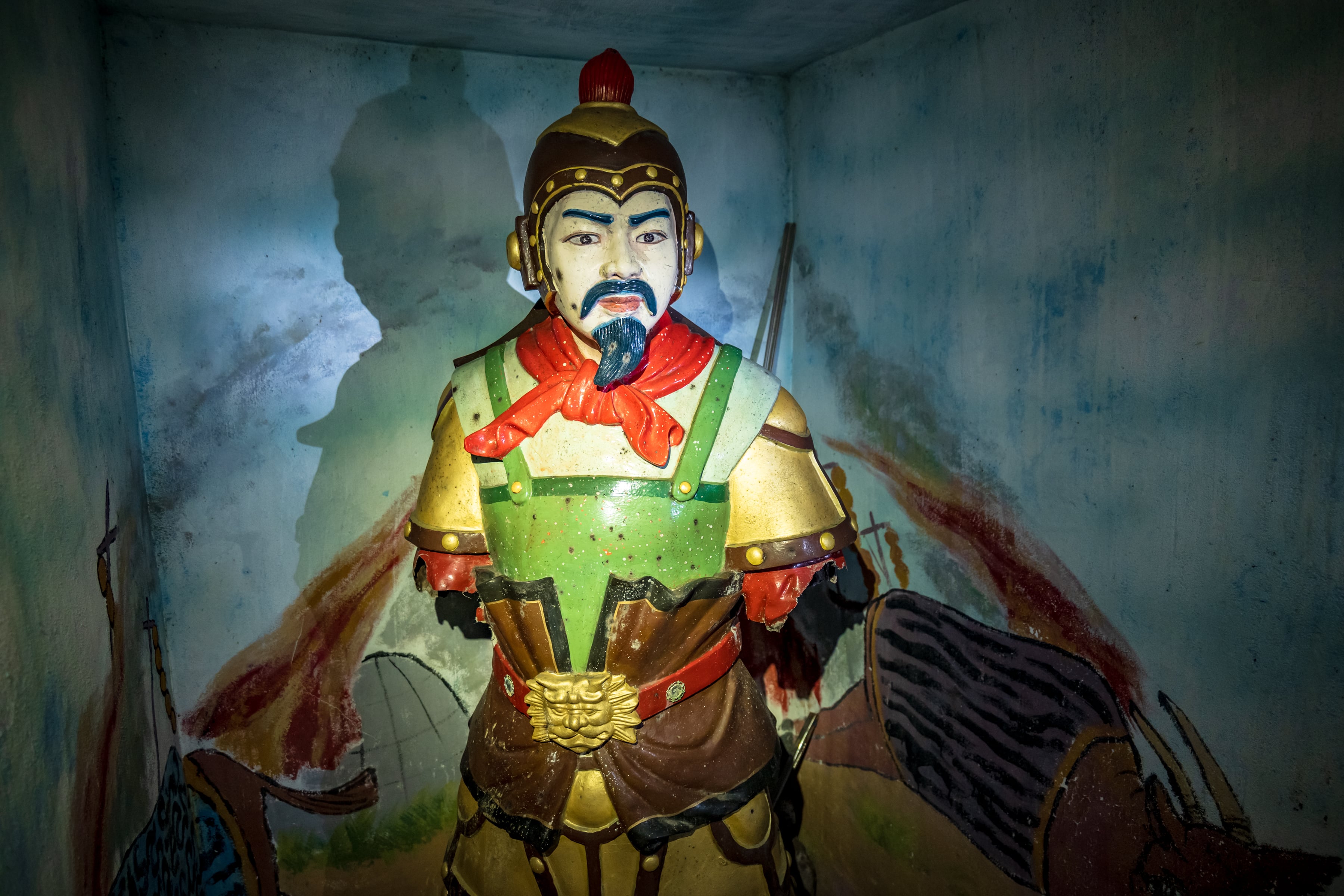
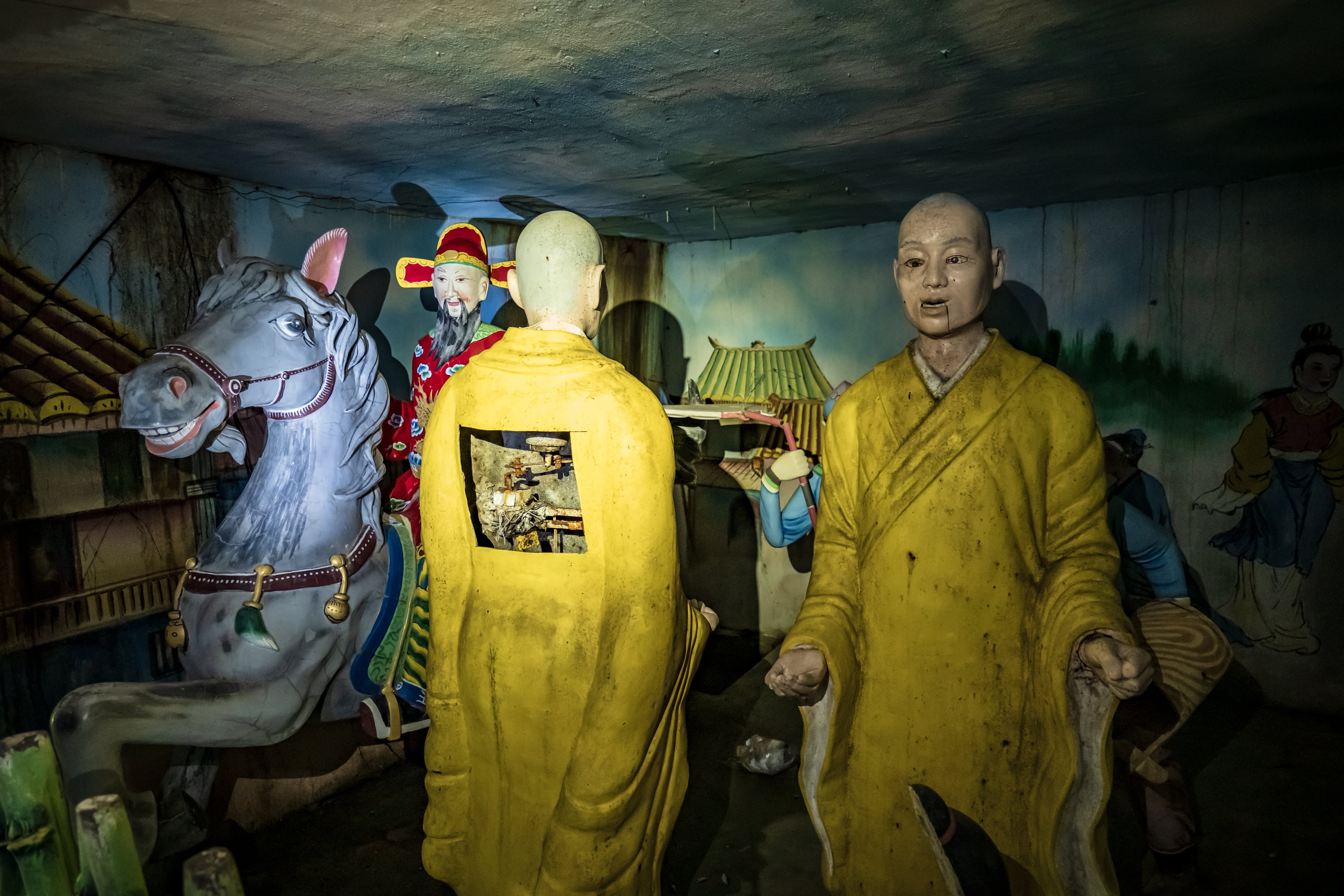
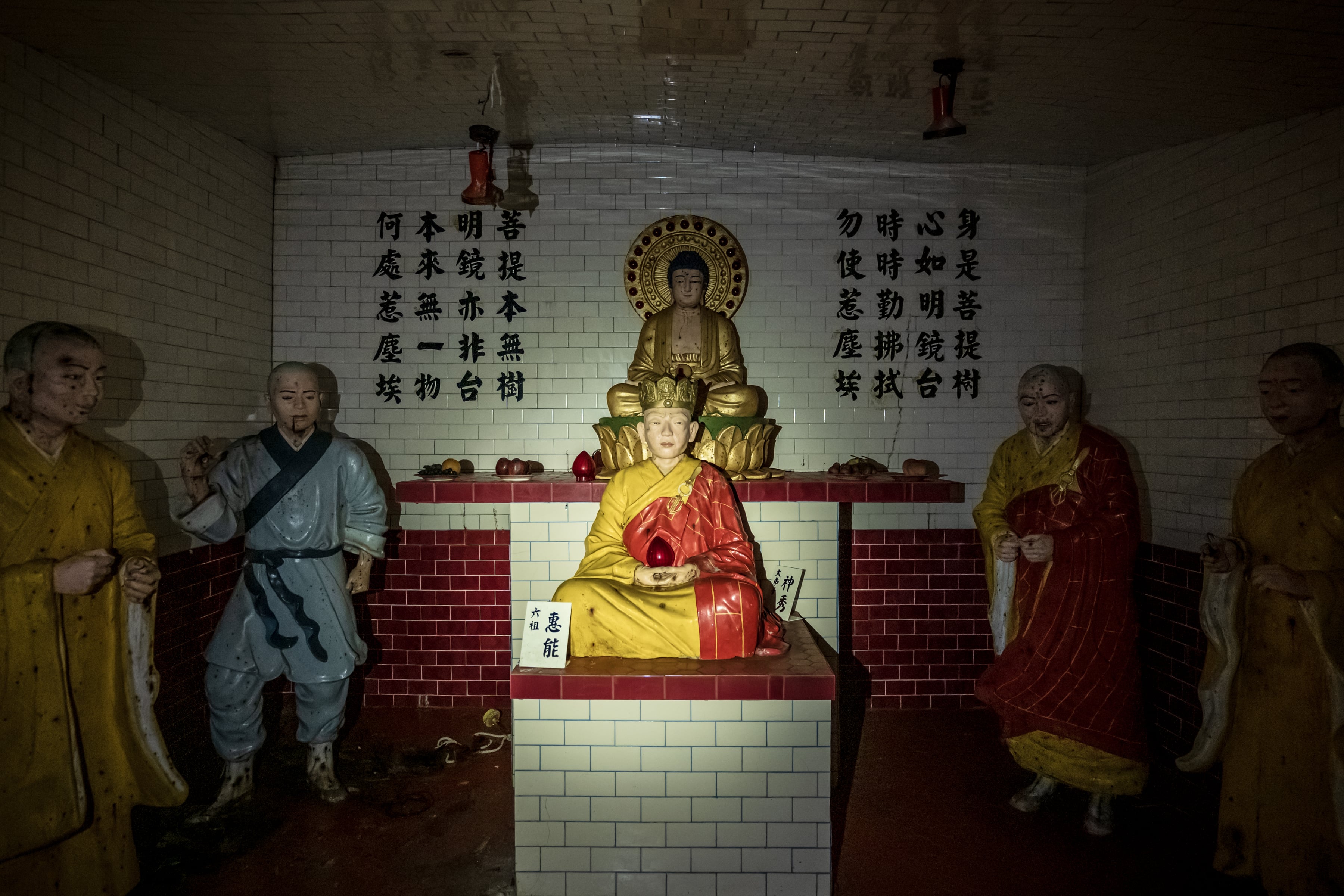
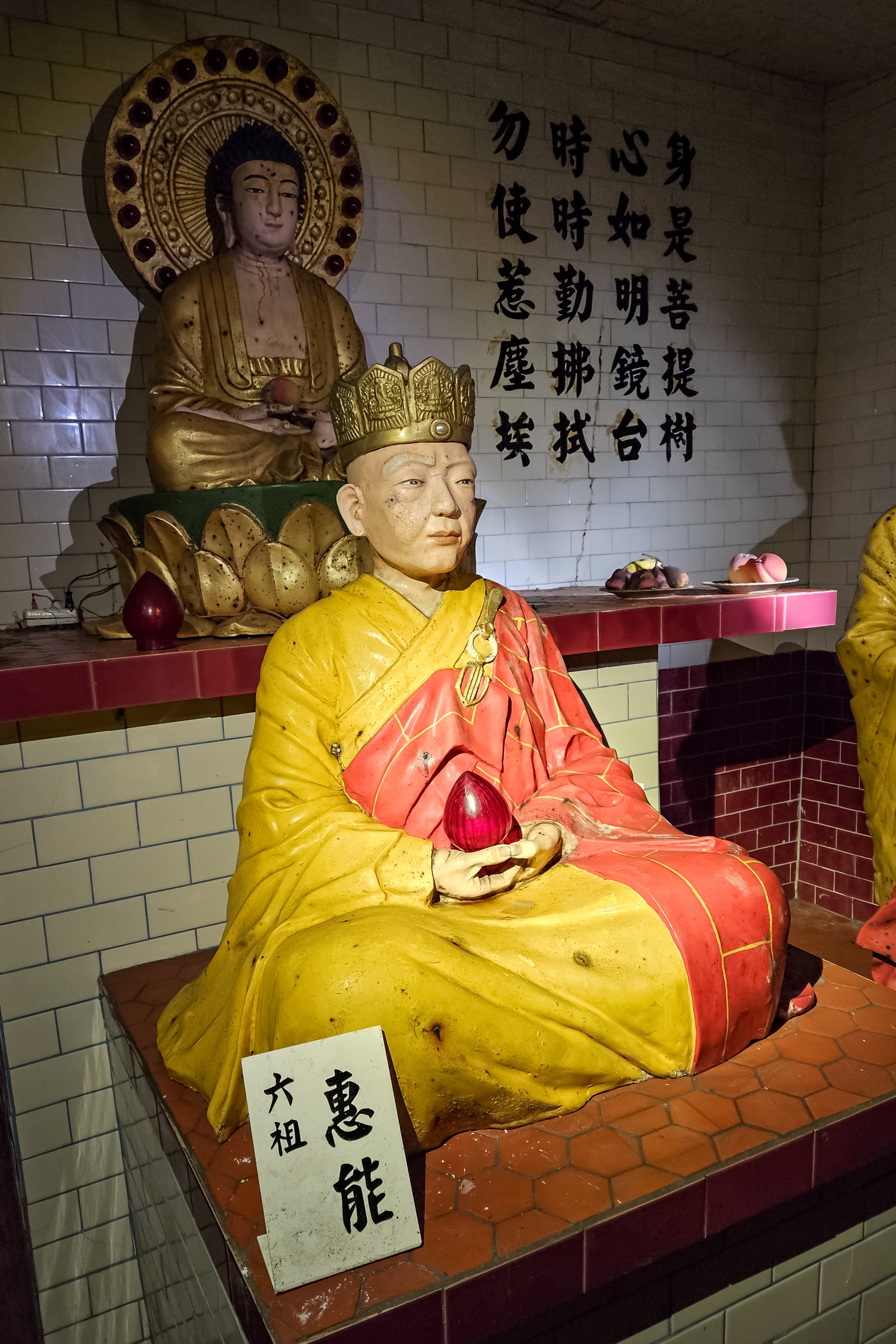
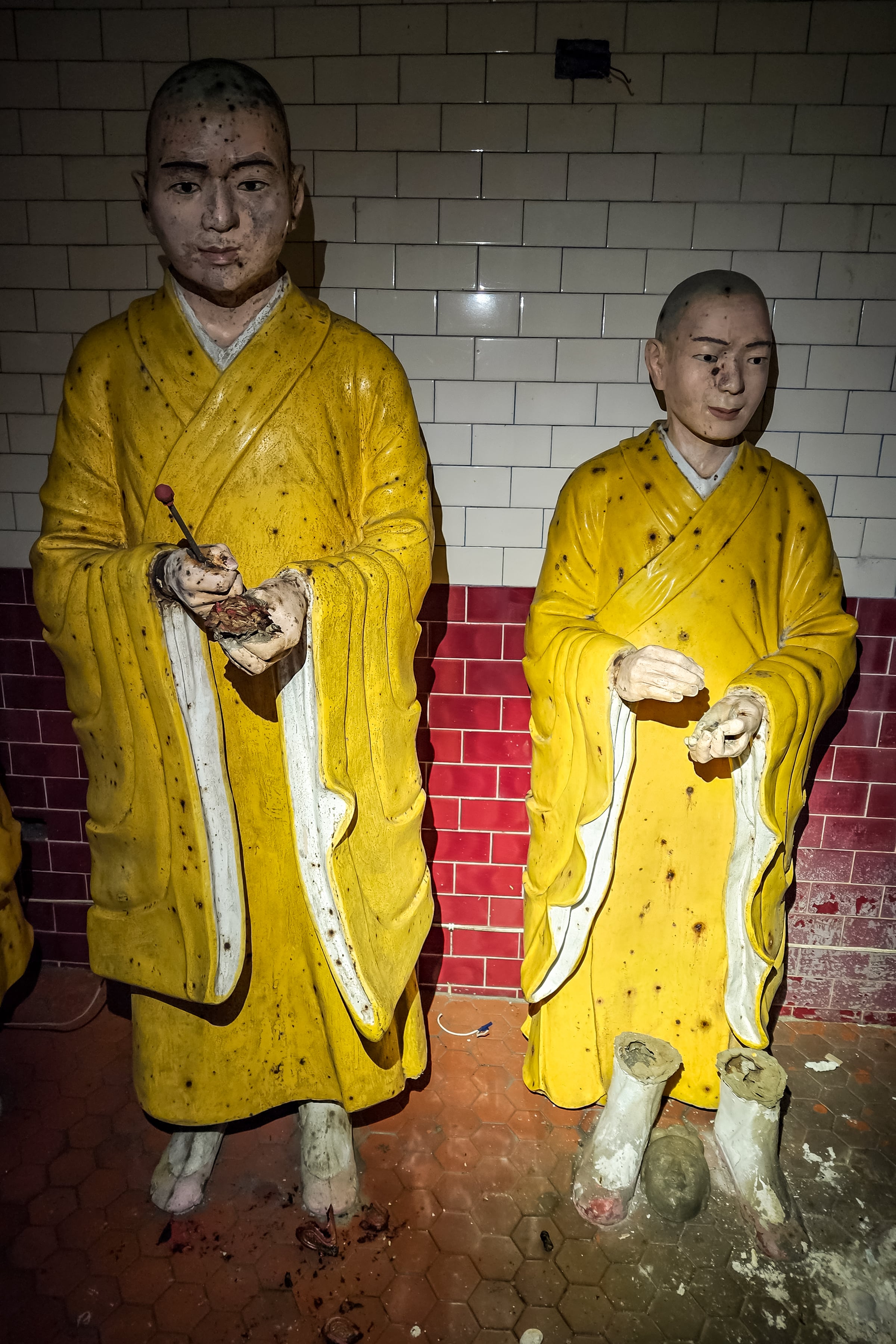
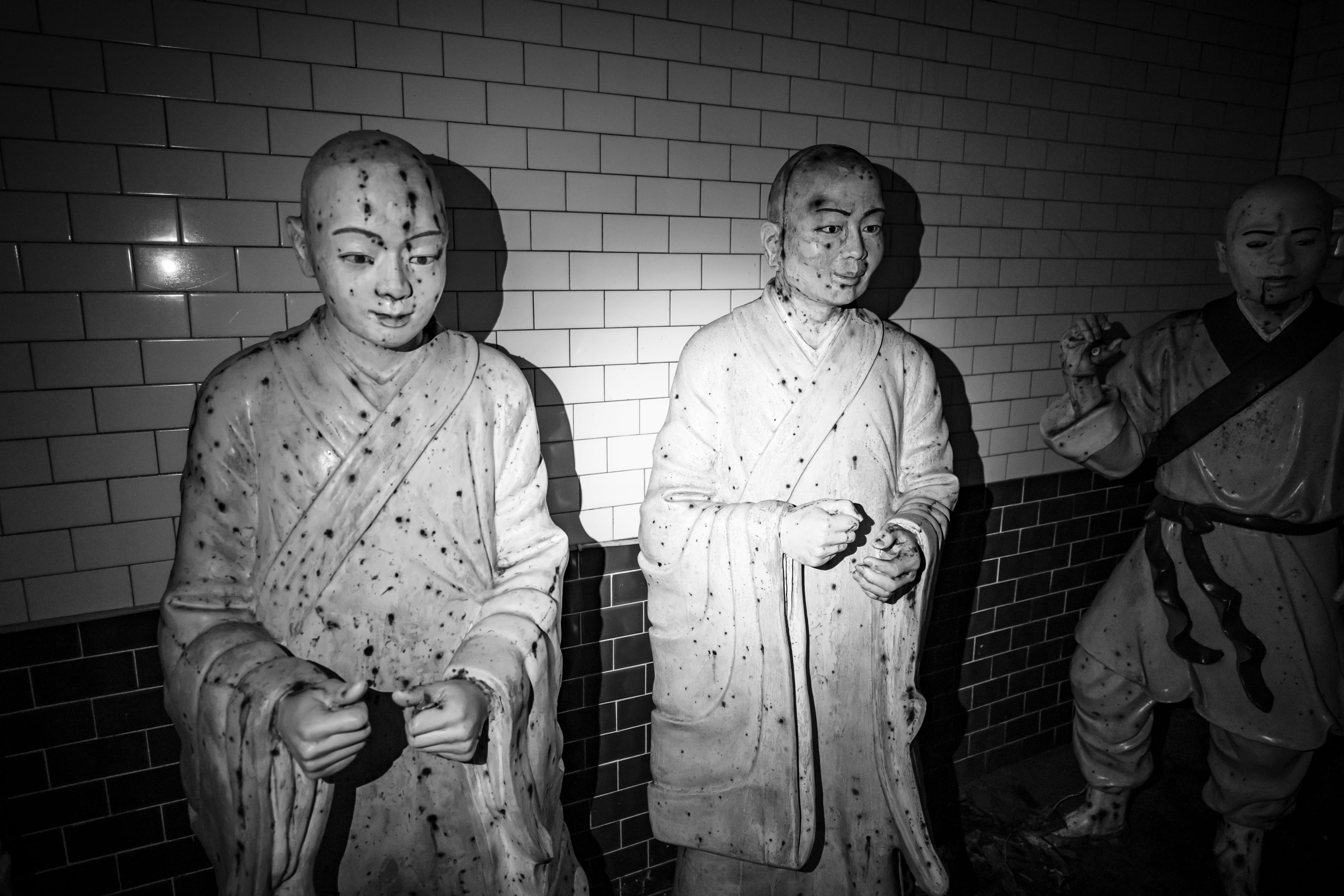
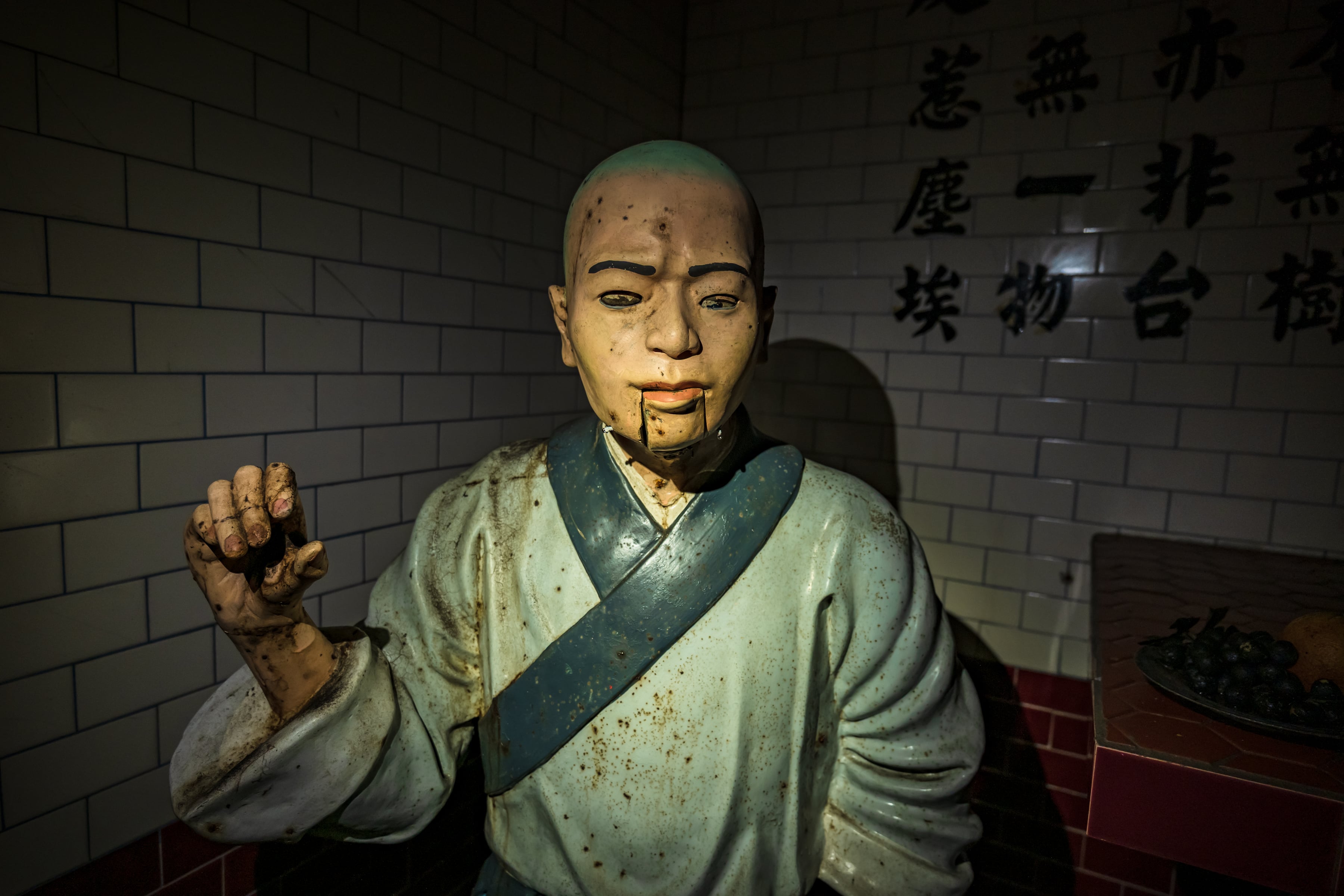
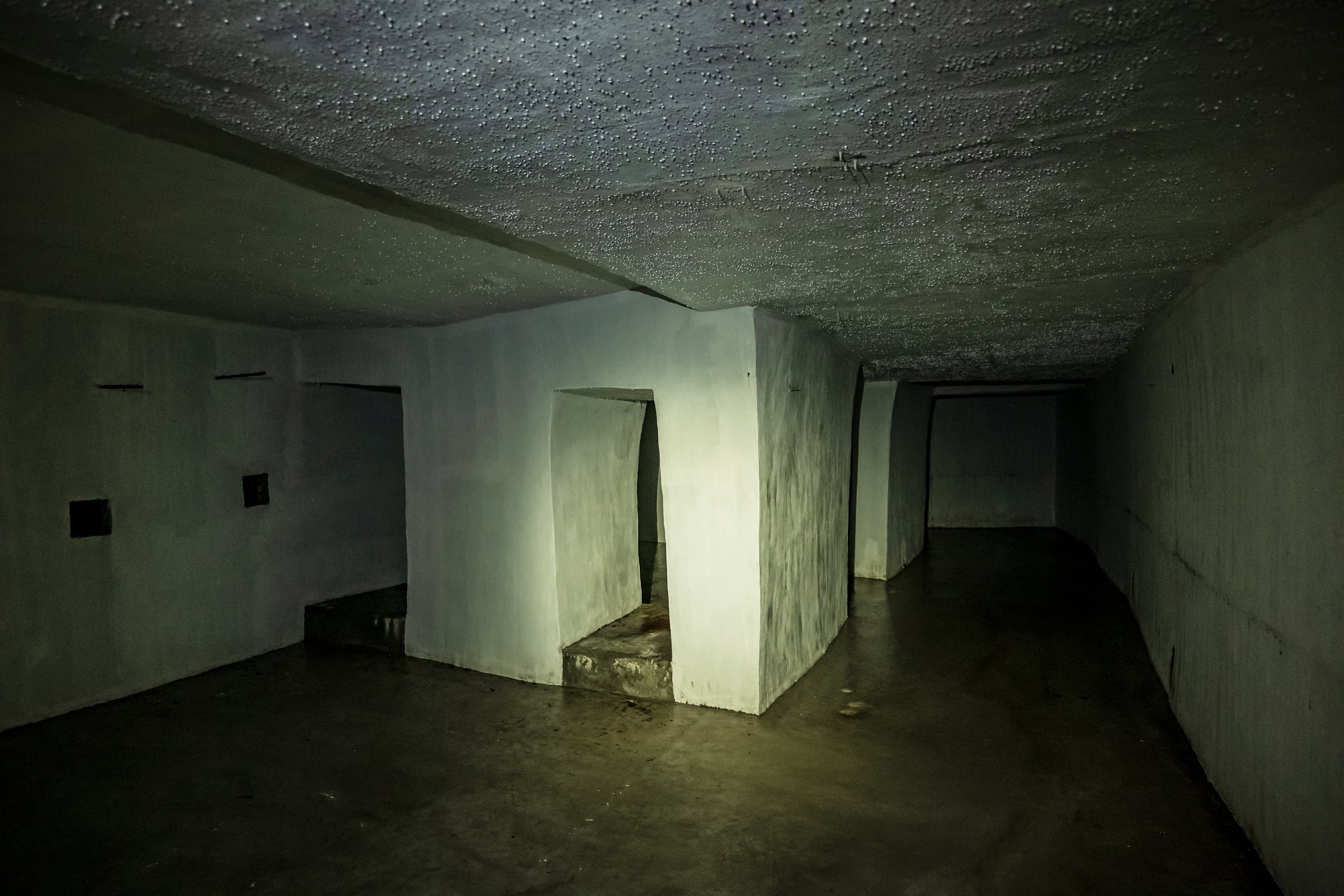
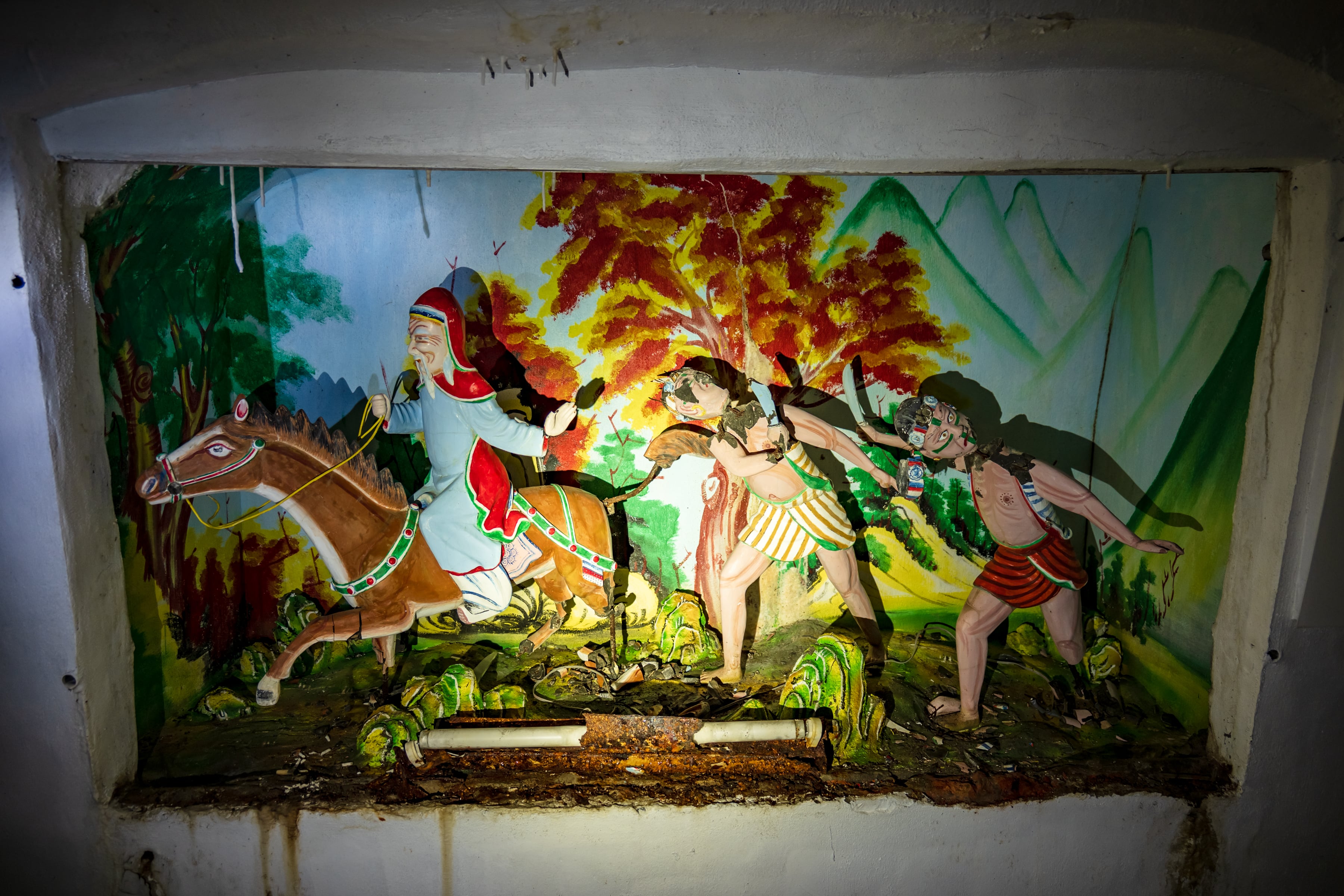
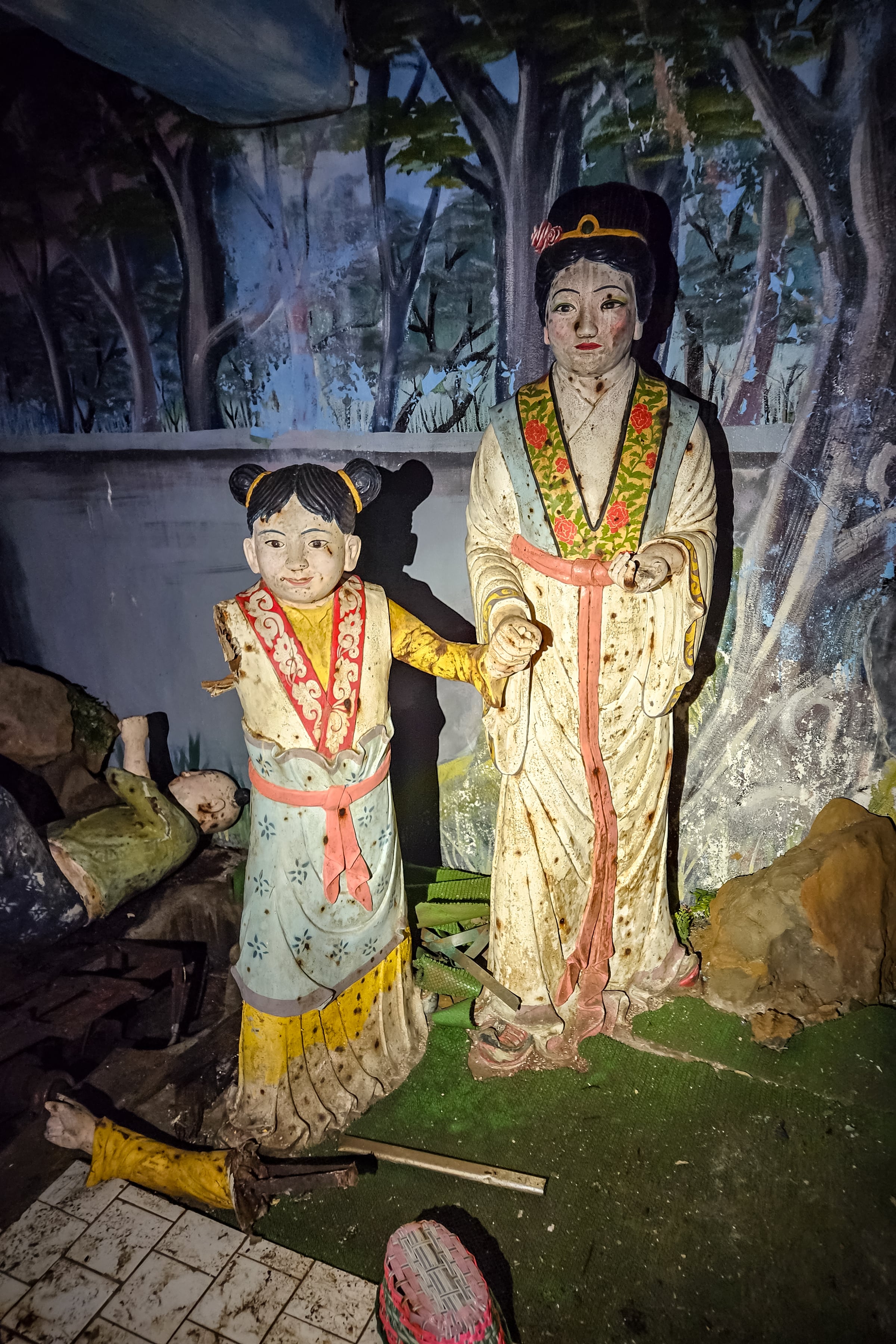
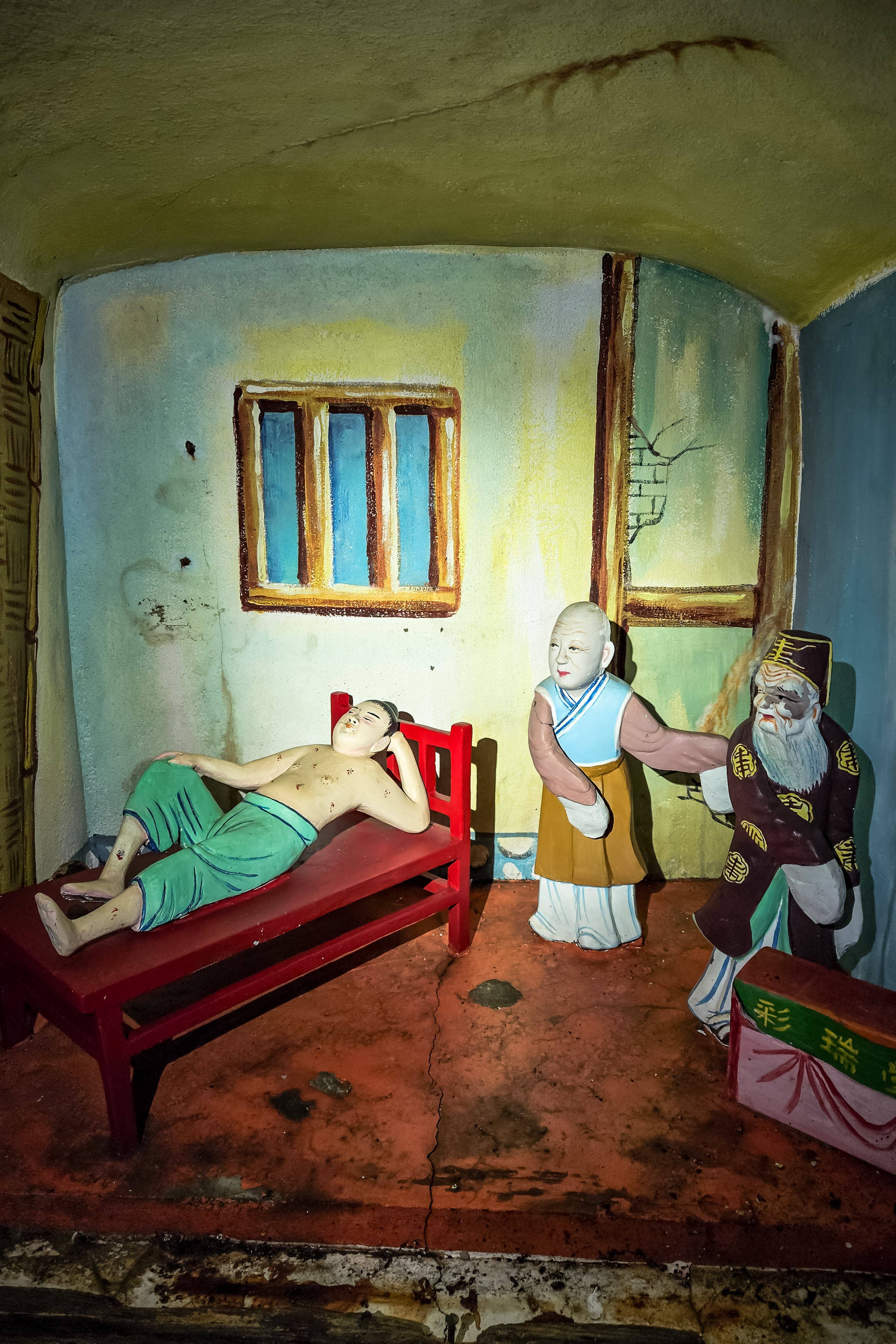
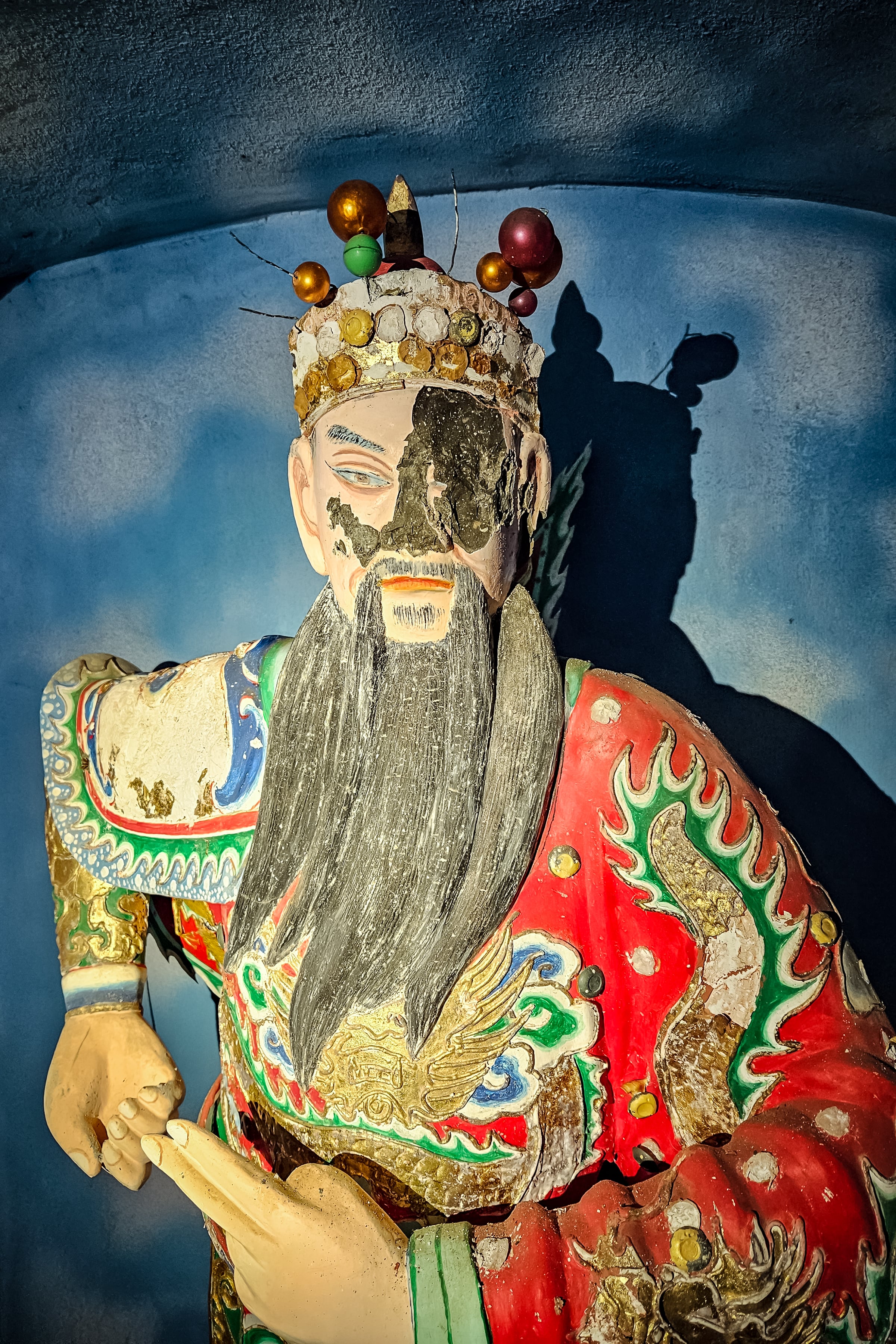
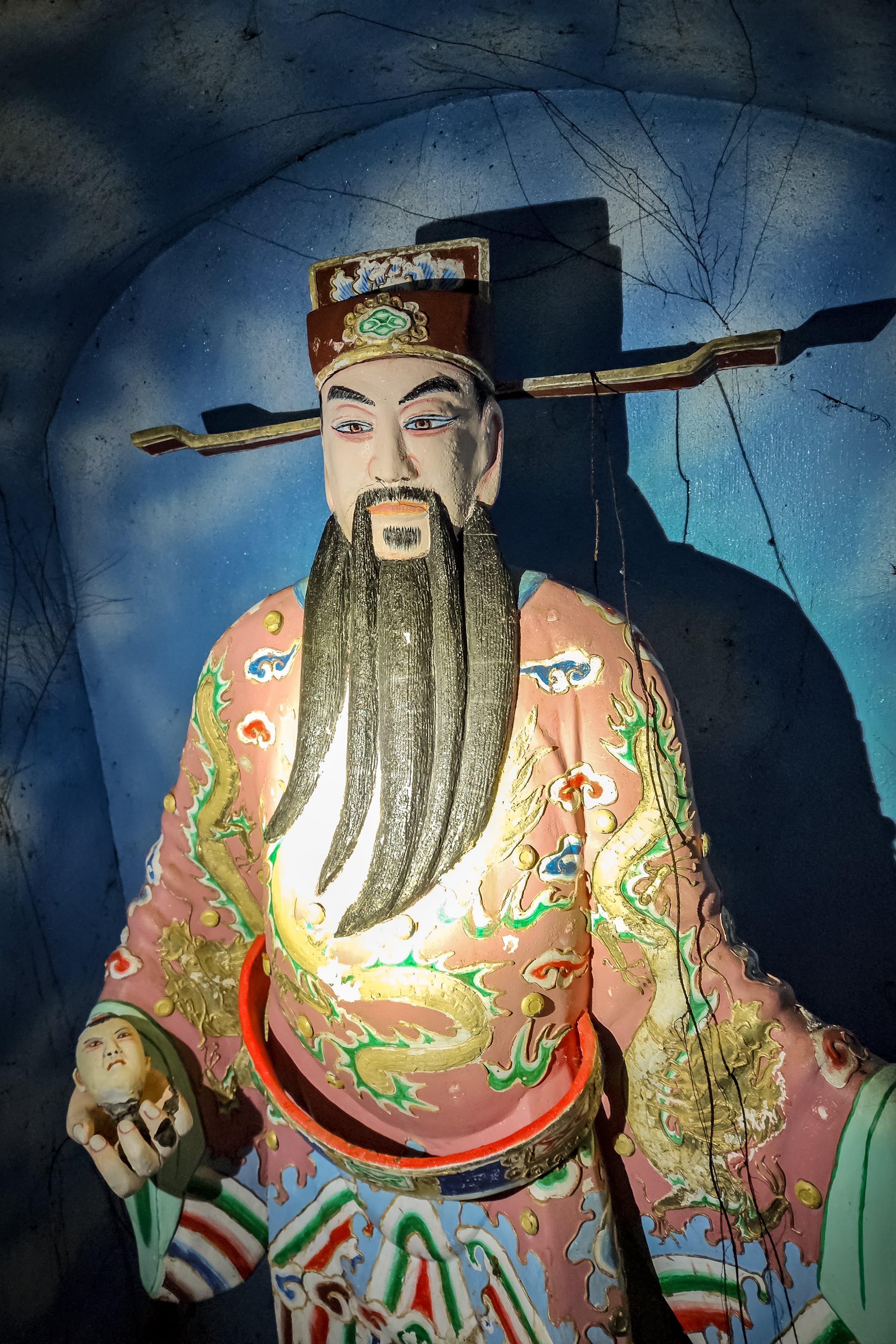
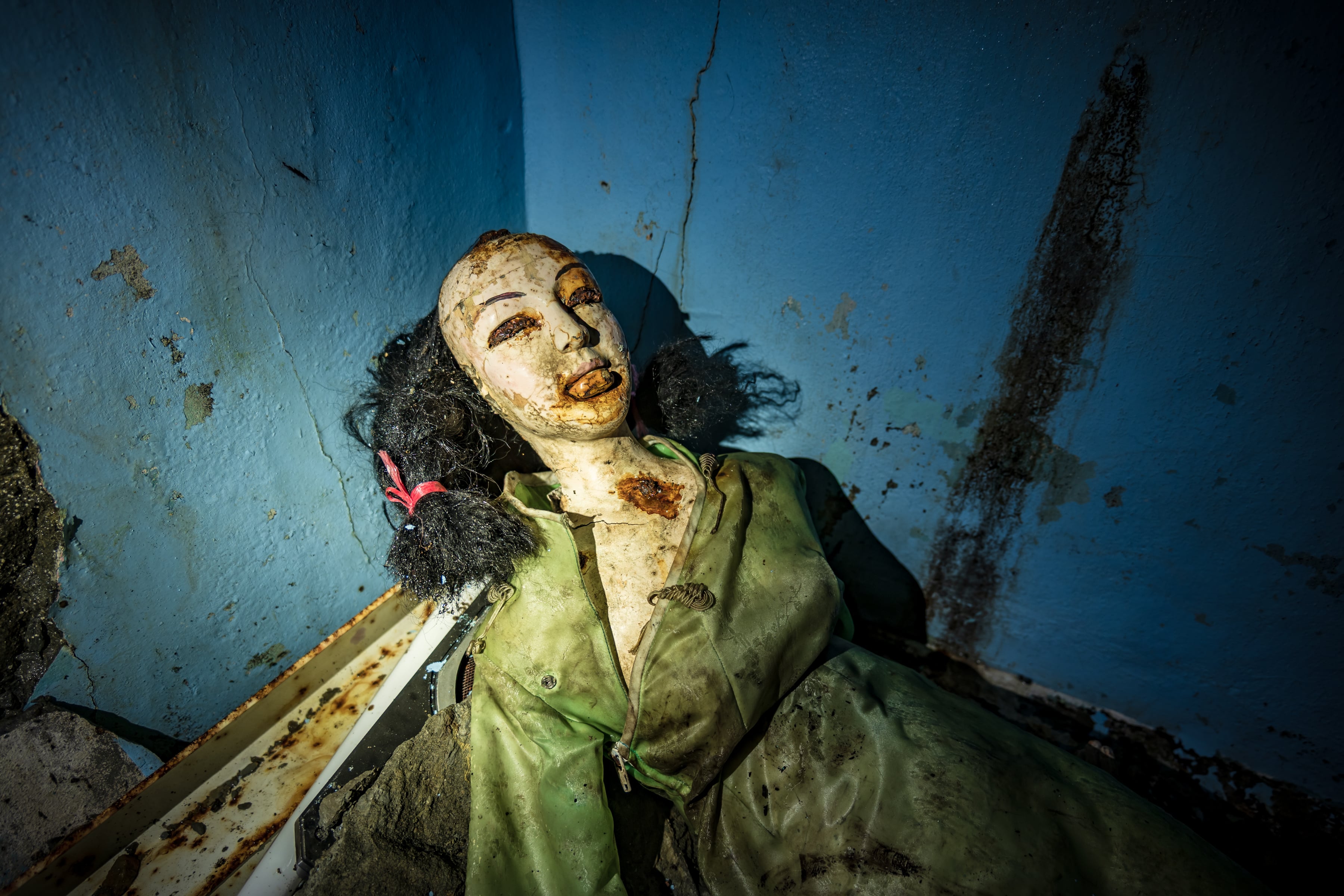
Later visits revealed a mythical wonderland in the dark passages cut deep into the mountainside. It was extremely damp inside, with condensation pooling into watery nubs along the ceiling, but the passageways were relatively dry and easily traversed. Almost every corridor featured new wonders: dioramas depicting classic tales from culturally Chinese literature, enigmatic figures looming in the unseen shadow, monks and generals and princes and fairies and in perfect stillness.
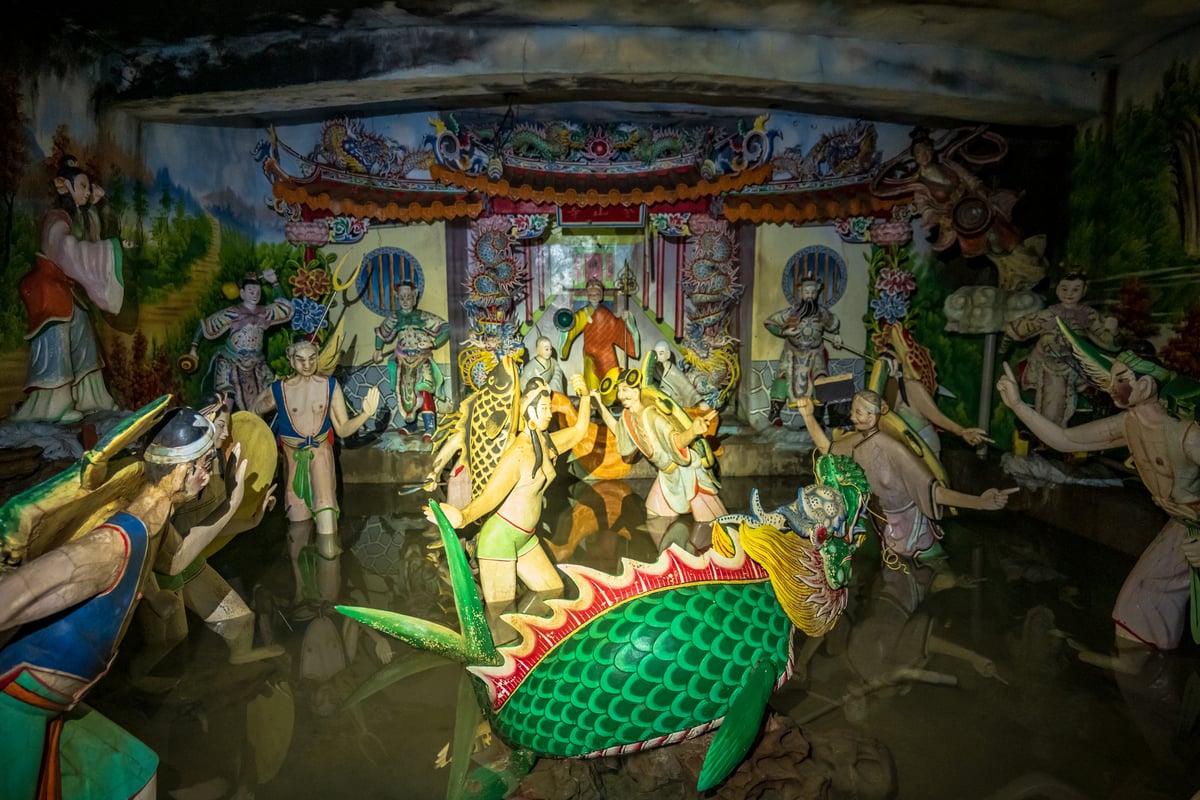
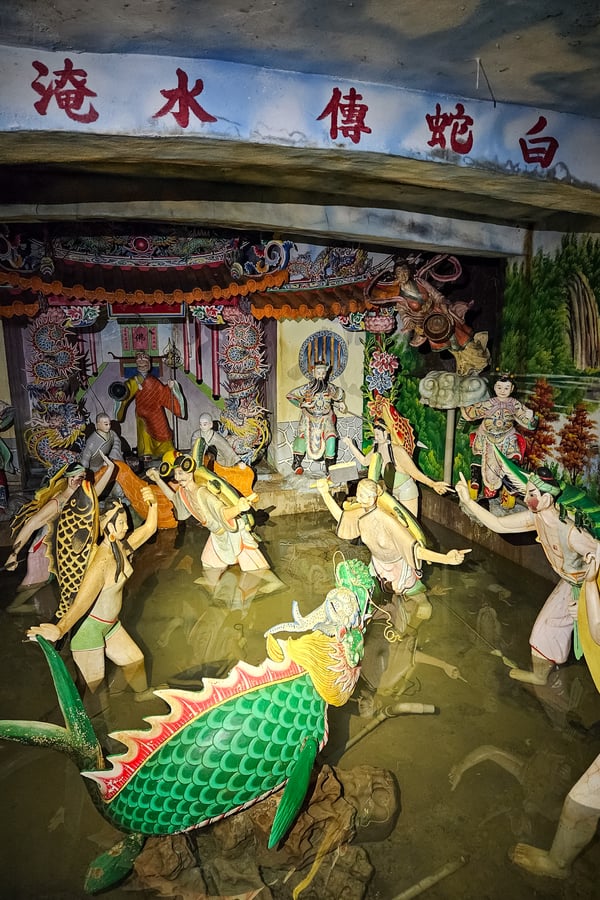
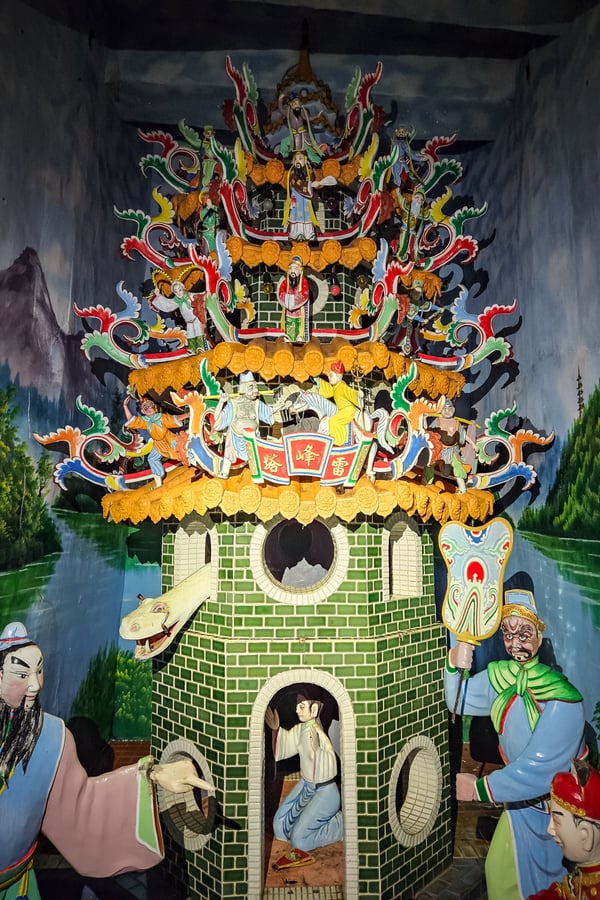
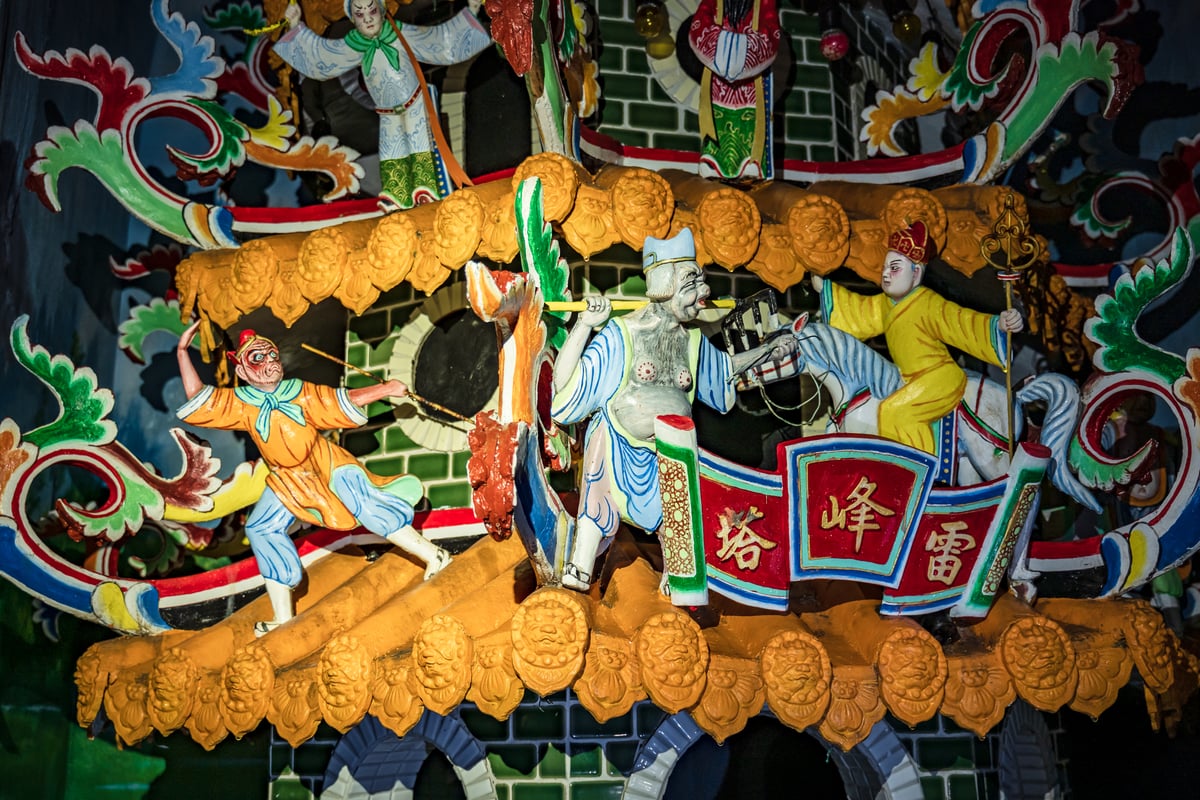
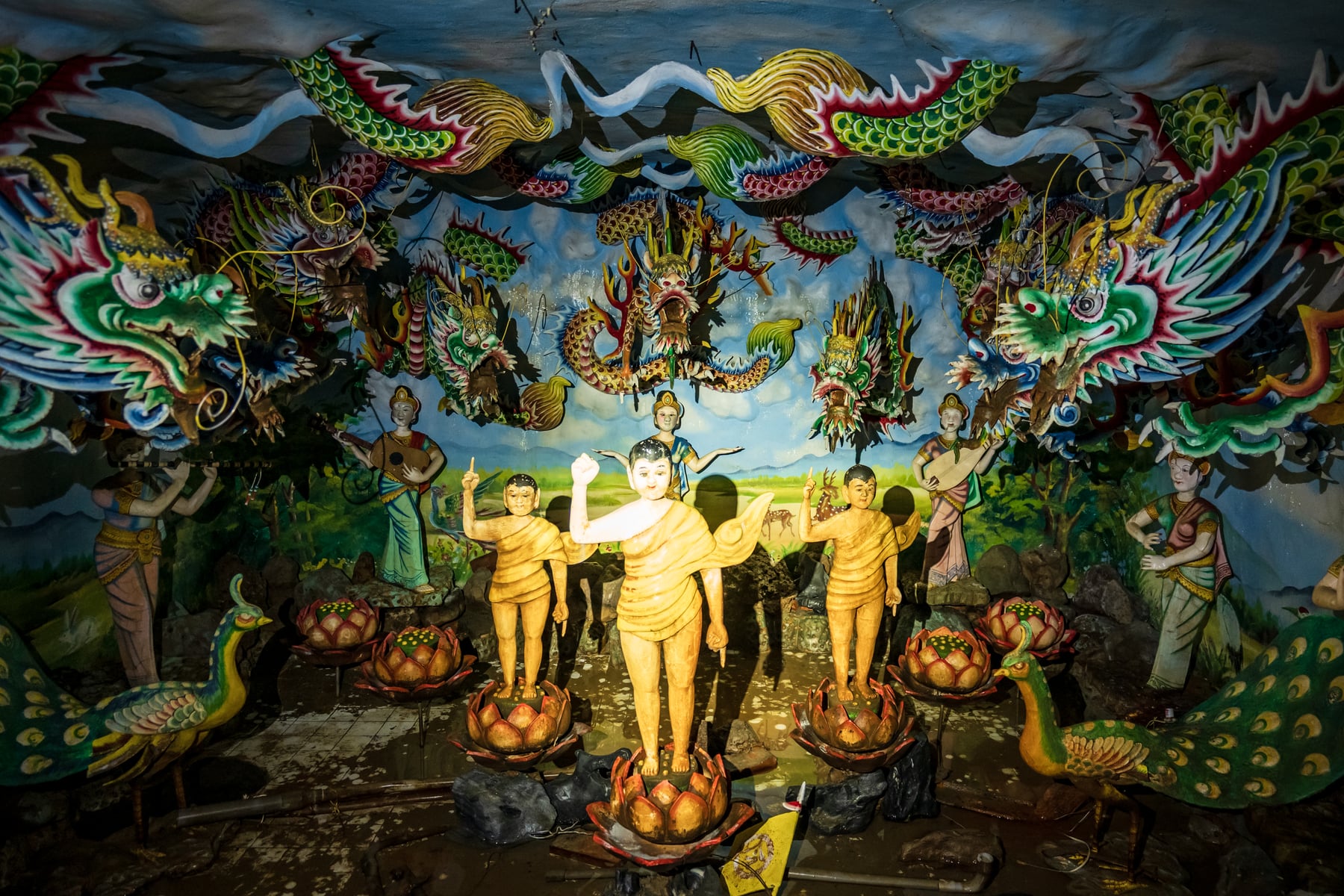
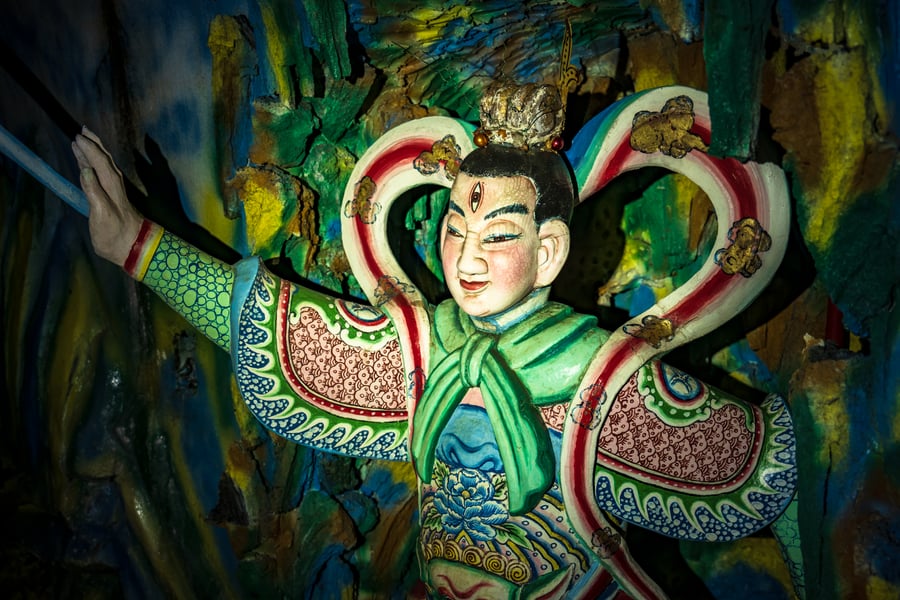
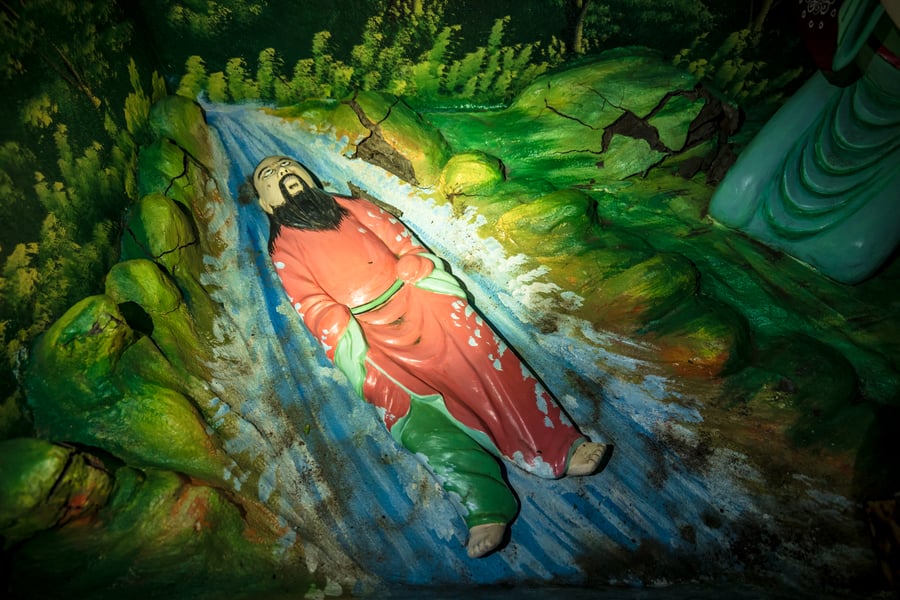
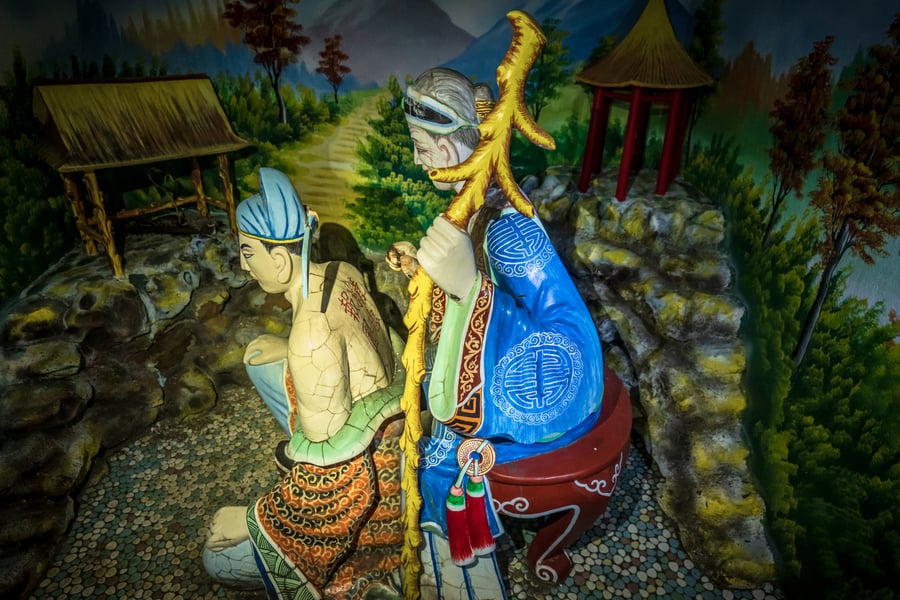
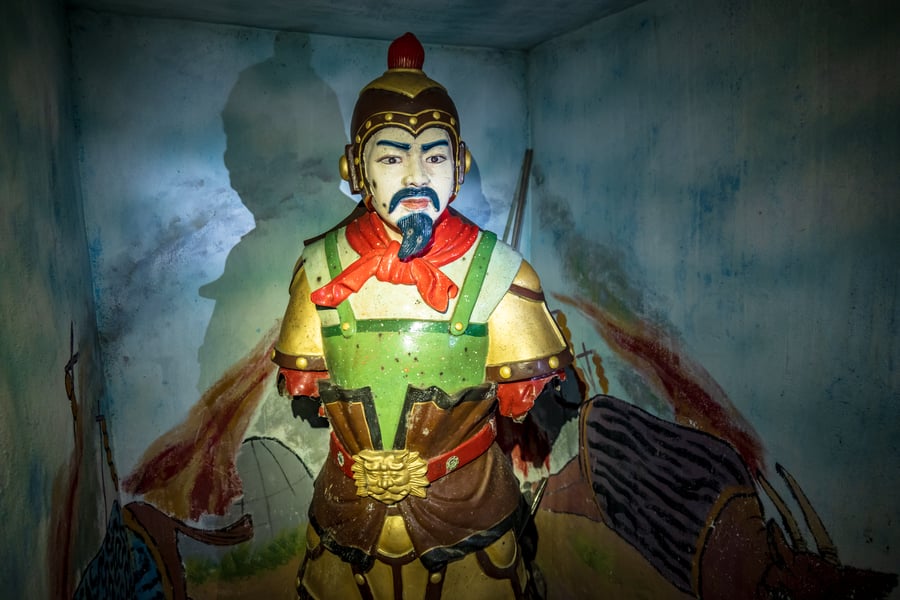
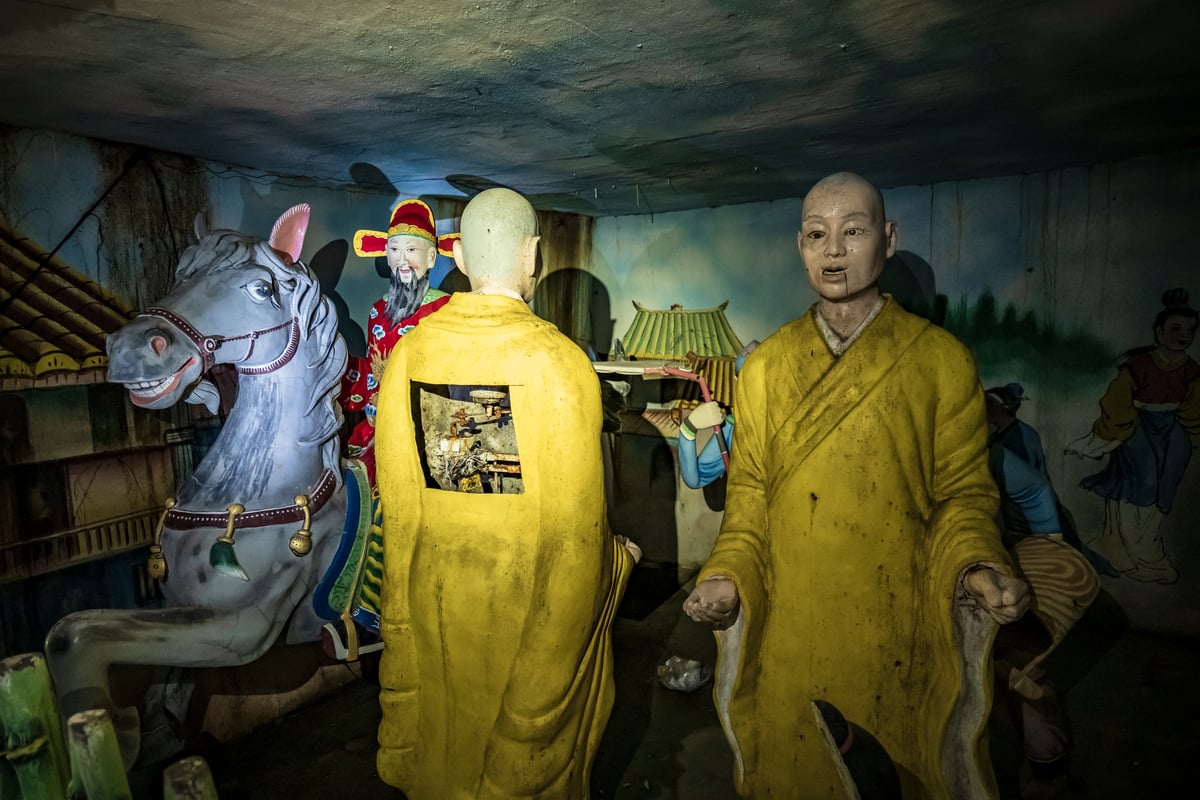
On one expedition my companions and I were spooked by sounds emanating from deeper inside the tunnel complex. At one juncture we heard the scuffing of feet and a torch beam blinded our swivelling eyes. A fellow traveller emerged, carrying an array of cameras, a Polaroid among them. We posed for a group photo and continued on our separate ways, inching through the passageways to see what lay beyond.
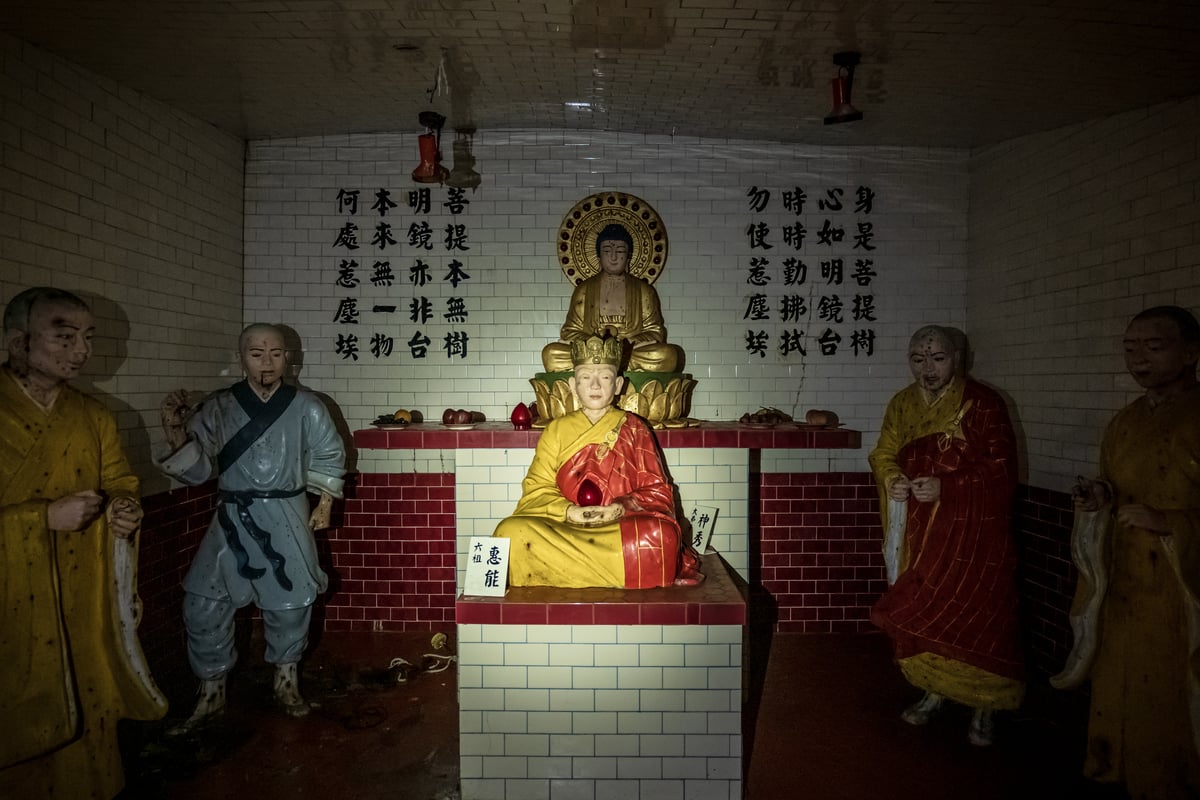
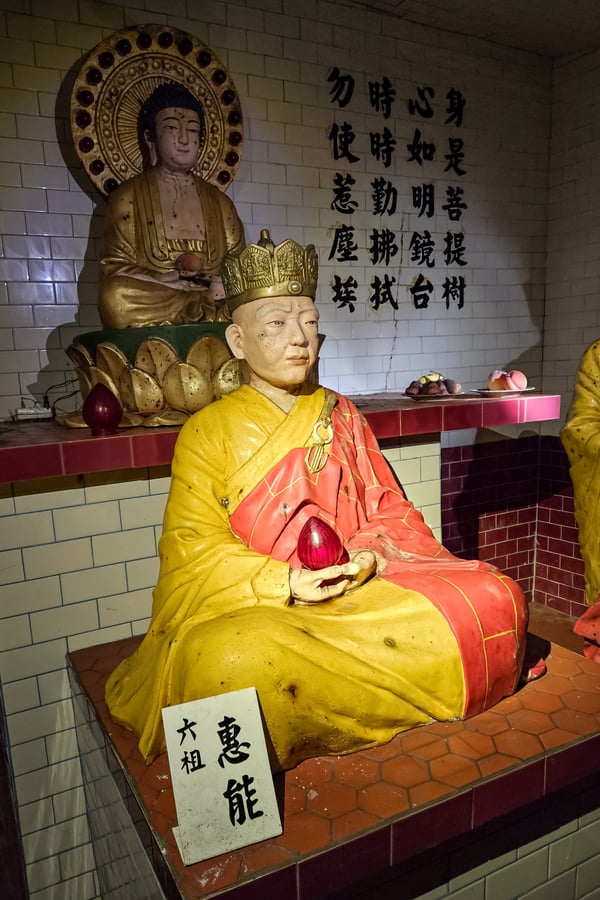
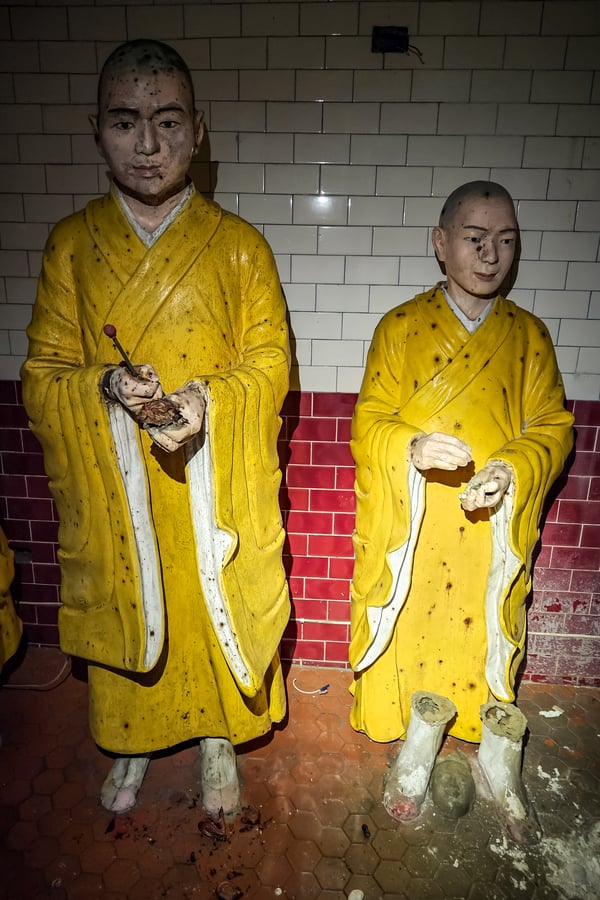
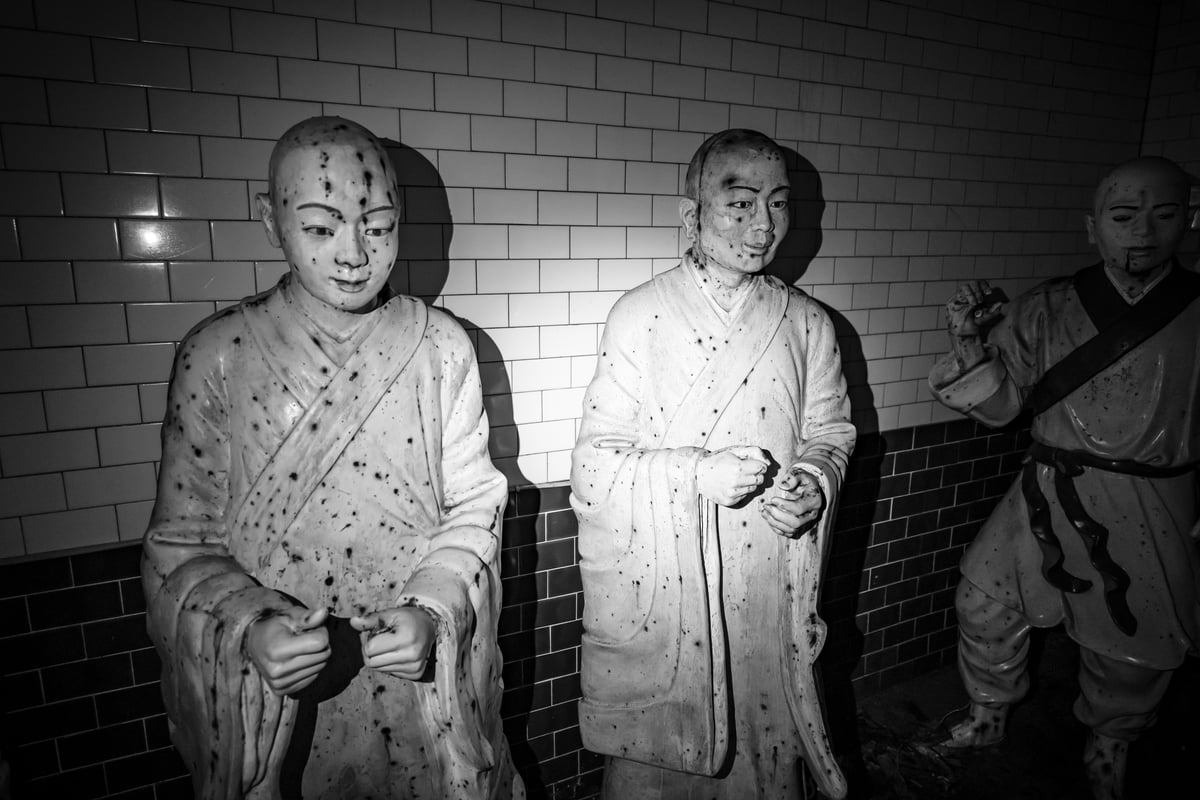
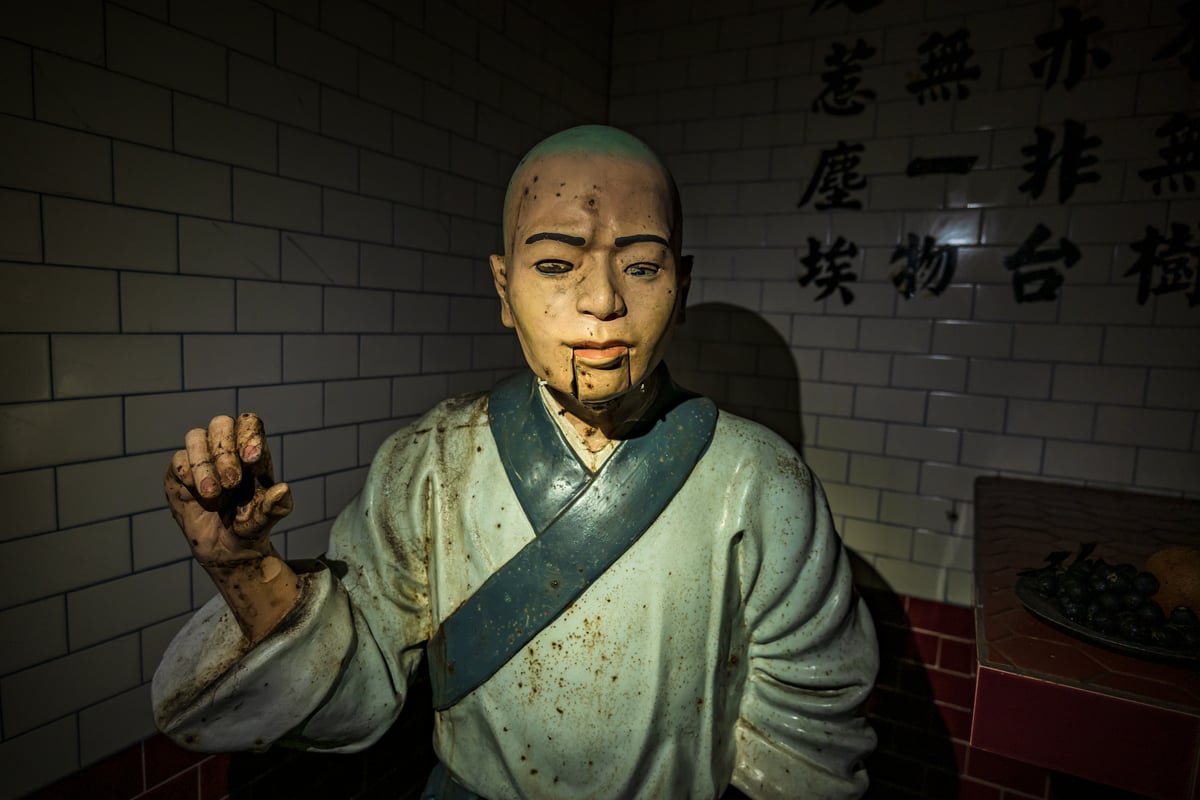
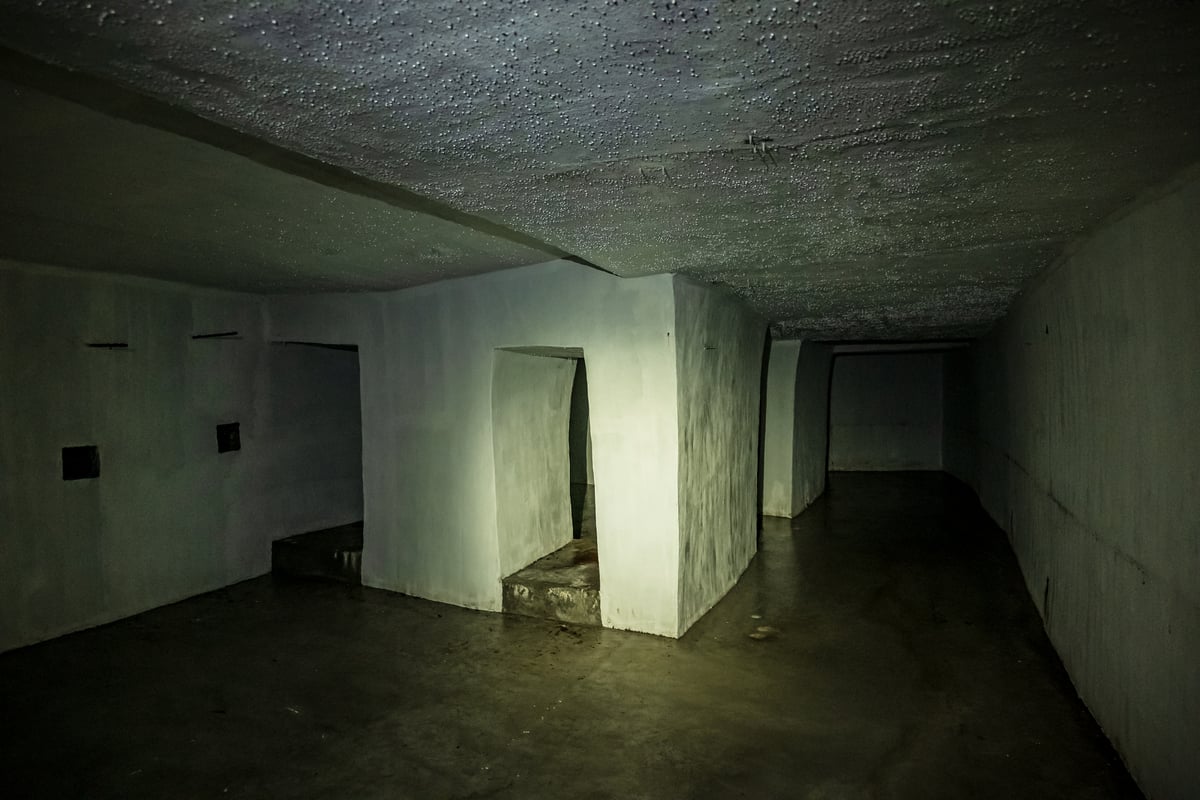
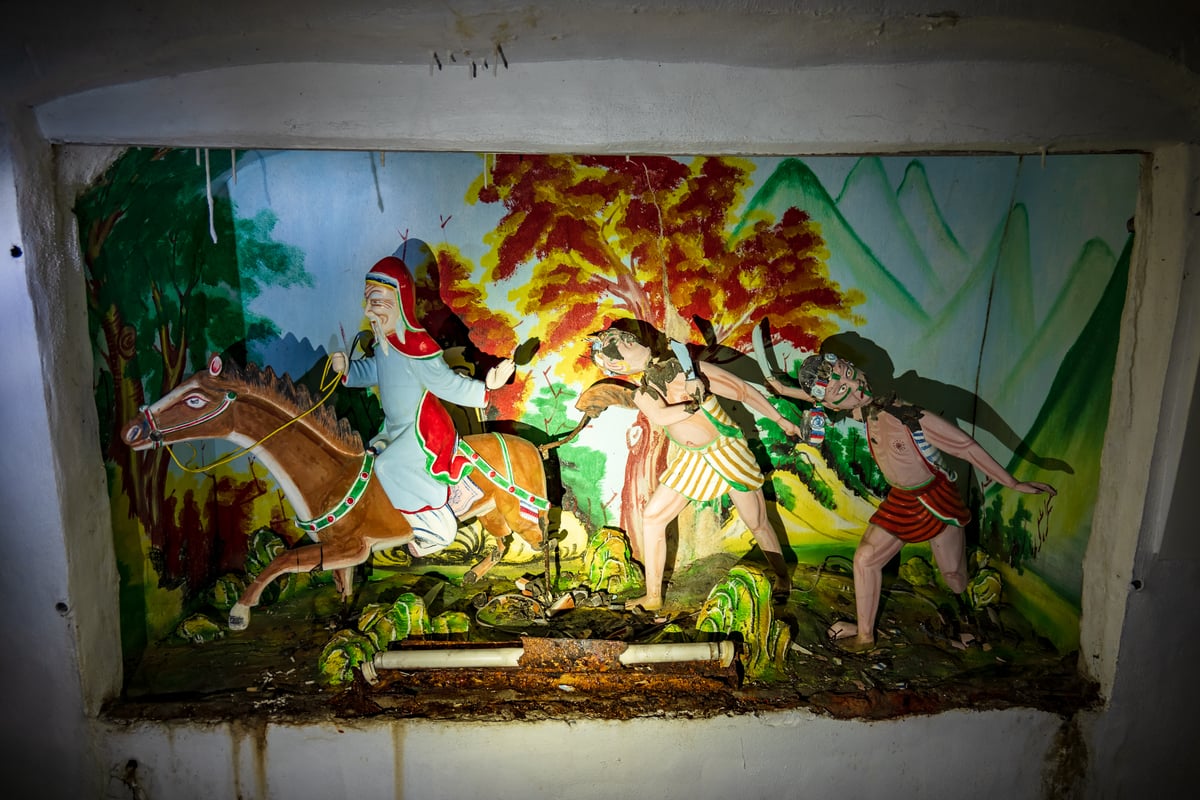
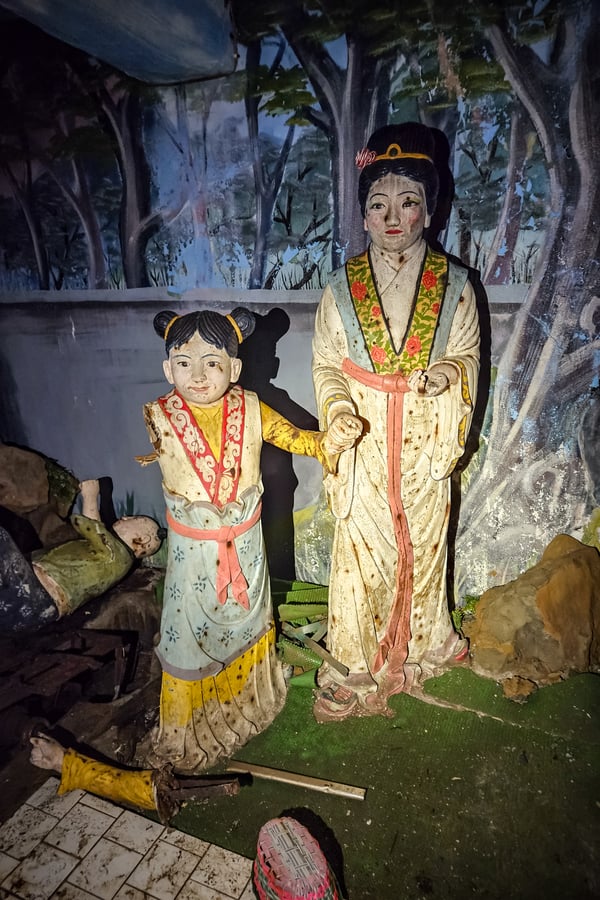
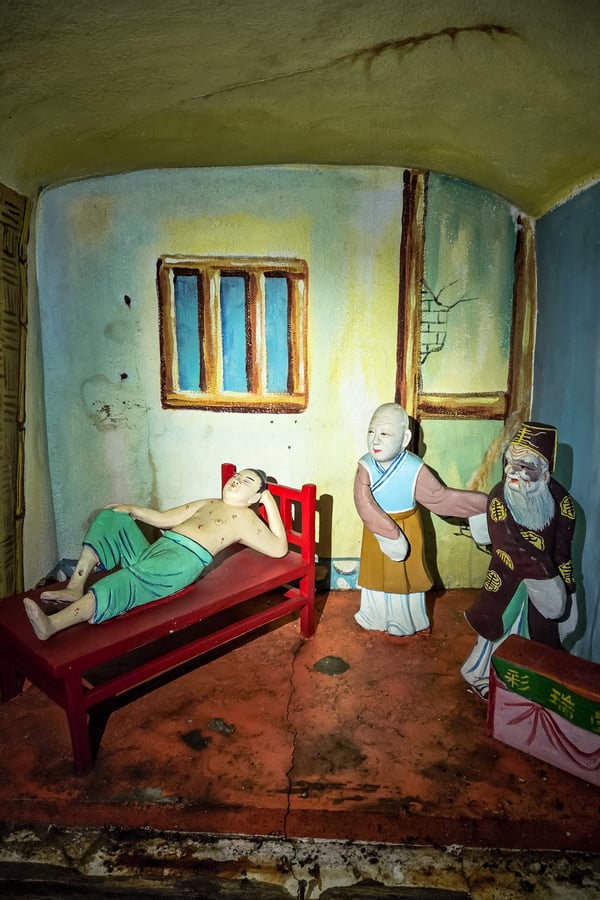
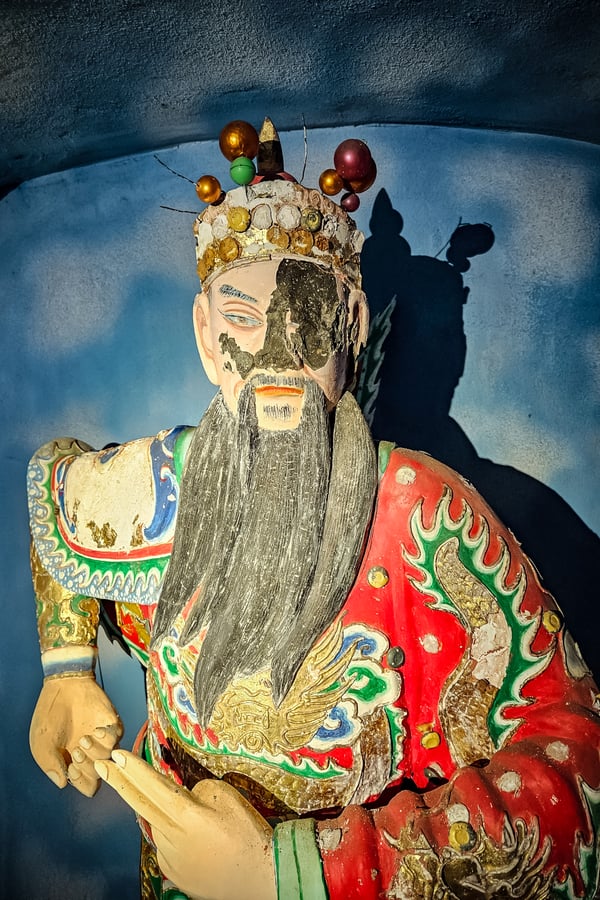
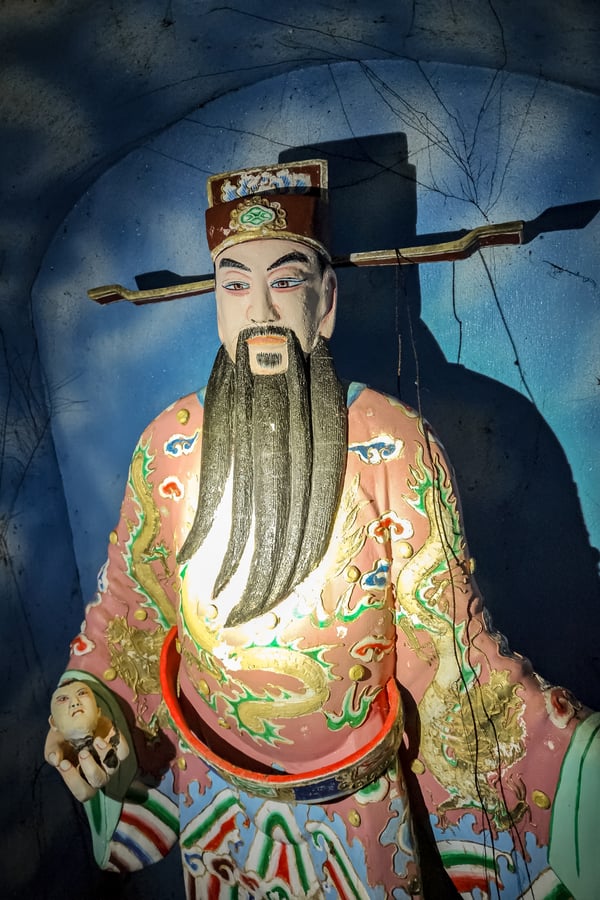
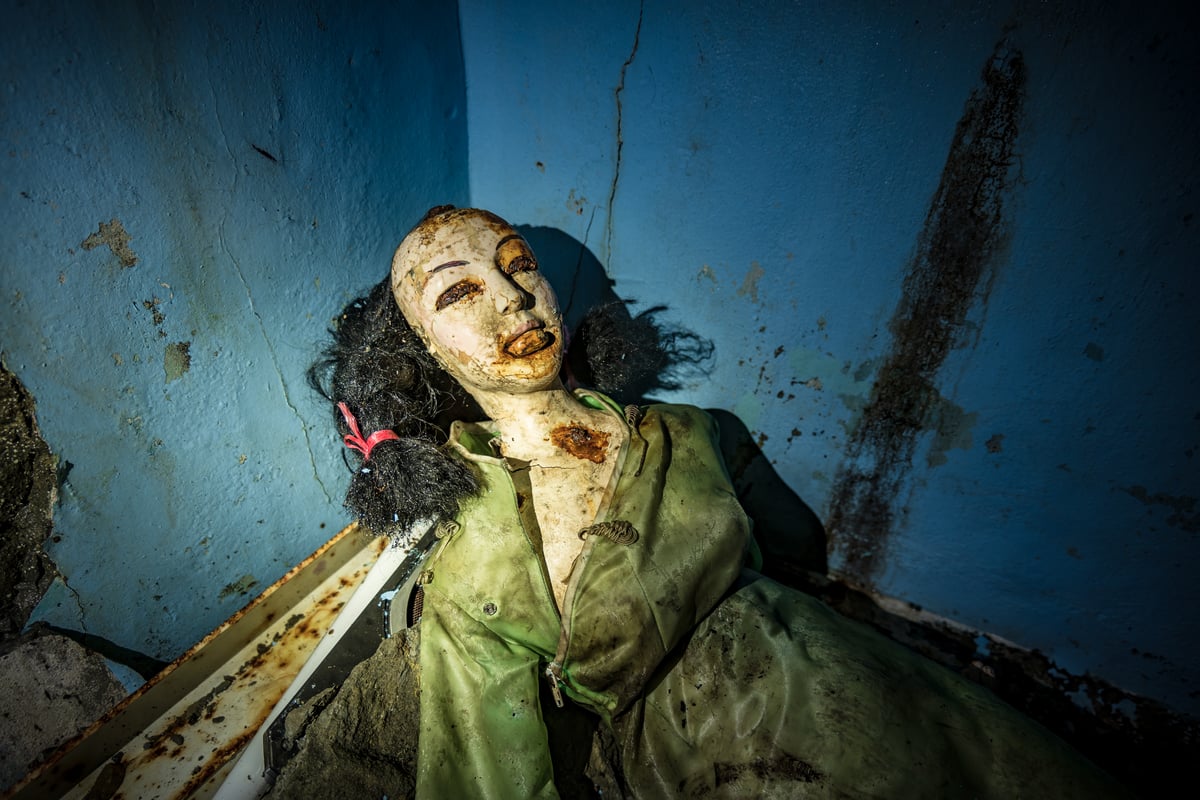

In September 2026 this long-forgotten cave temple returned to public awareness after a group of young Taiwanese men entered the cave and filmed themselves lighting off firecrackers and destroying many of the remaining statues inside. This content was filmed, tagged, and posted in public, leading to an almost immediate backlash and the arrest of several suspects. It is precisely this event that led me to release my own long-embargoed photos to share what the cave temple was like before it was vandalized.
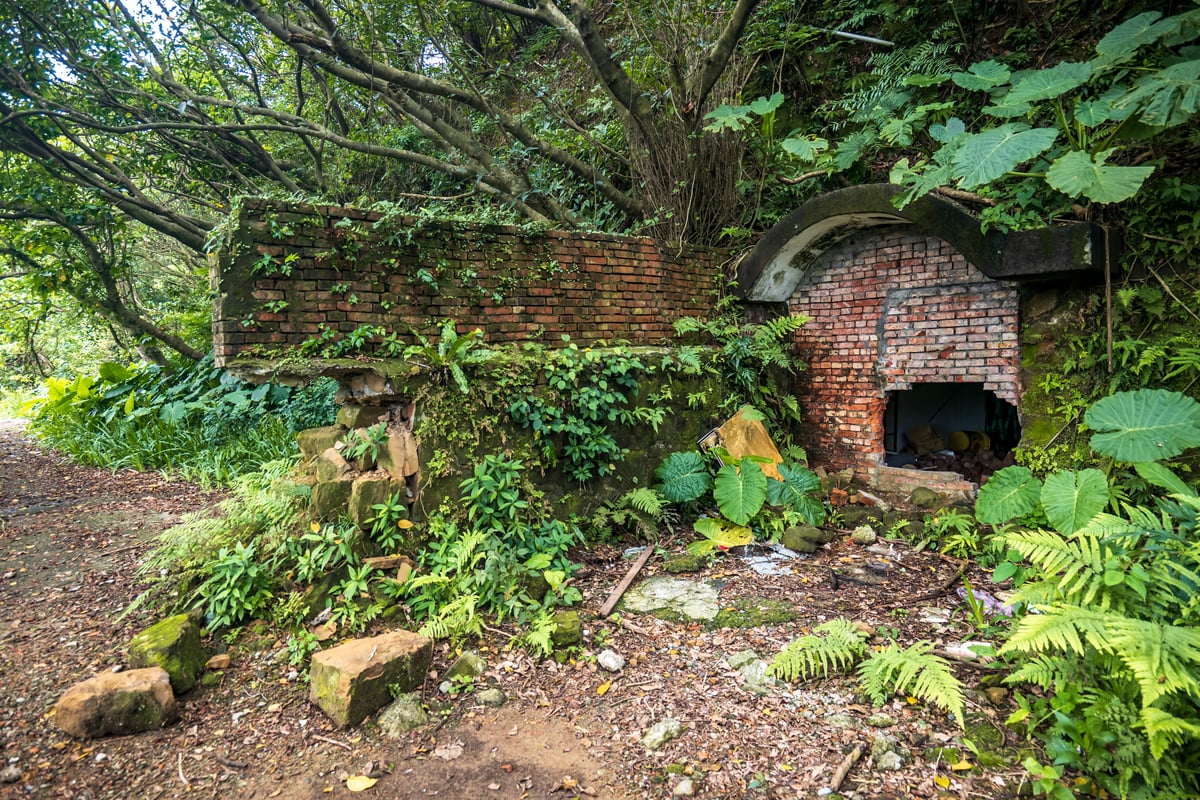
Although it was readily accessible over the last several years I would expect it will once again be sealed. Should you choose to visit be sure to take proper precautions: bring a powerful flashlight, a mask or respirator, and don’t go alone! And unlike those vandal, I implore you to practice the urban explorer’s credo: take nothing but photographs, leave nothing but footprints.
Footnotes
-
The cave temple was also famous for a red bull, possibly the Bull Demon King (牛魔王) from Journey to the West, perched on the hilltop overlooking the entrance to the cave. It is unclear whether this bull was also removed along with the state of the Thousand-Armed Guanyin around 2022 or 2023, but it remains visible on Google Street View in history mode. ↩
Map
Warning: this location is abandoned, hazardous, or otherwise neglected and may be unsafe and even dangerous! Exercise appropriate precautions when visiting.
警告:此處已廢棄或長期無人管理,可能存在潛在危險。造訪時請務必提高警覺,並做好相關安全防護措施。
Details
- Status:Abandoned (廢墟)
- Coordinates:
Recorded On
Links
- Keelung HiHi (基隆嗨嗨)
- YouTube: Join Xiao Hao On An Adventure (跟著小豪去探險)
- Bahamut: Li Xiong (李熊)
- Hiking Note: Fuli (山影狐蹤)
Themes
- Temple Culture in Taiwan (台灣的寺廟文化)
- Urban Exploration
- Urban Exploration in Taiwan (台灣城市探險)
- Amusement Parks in Taiwan (台灣的樂園)
- Giant Gods in Taiwan (台灣巨大神像)
Backlinks
- Keelung Shengji Temple (基隆聖濟宮)
- Aladdin Family Amusement Park (阿拉丁親子樂園)
Nearby Locations
Similar Content
Show more

Author

I am a web application developer, photojournalist, urban explorer, and history enthusiast passionate about the open web and documenting my experiences on this planet. This project was founded in the early 2010s and has evolved into a sort of personal Wikipedia of places that interest me (and often the photographs I’ve taken there). I’m originally from Toronto, Canada, but spend most of my time residing in Taiwan.