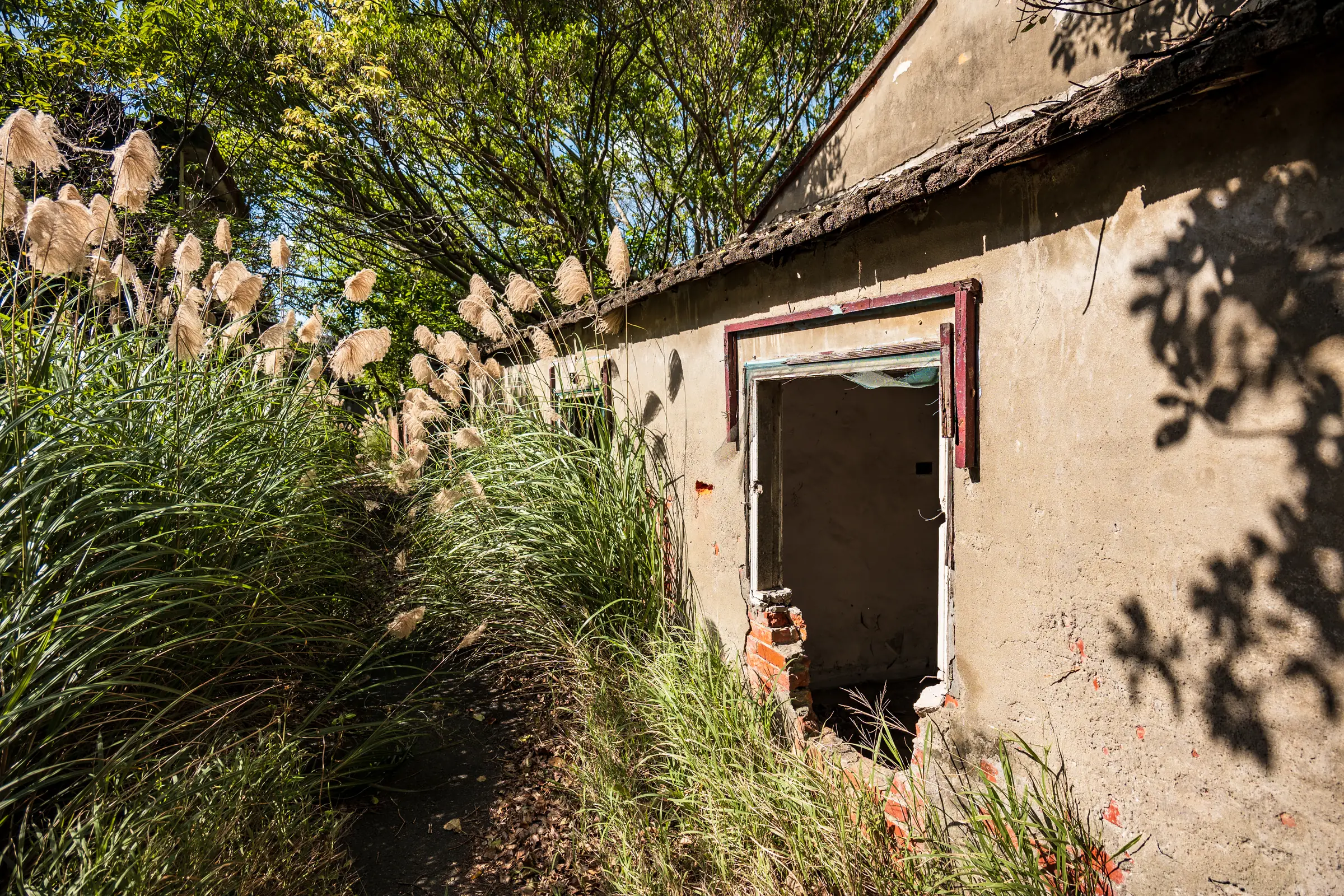
A set of five ROCAF military dependents’ villages were once located south of Taoyuan International Airport in Dahai (大海村), an area traditionally known as Daniuchou (大牛稠) after the cattle sheds its farmers shared. Late in the Japanese colonial era a wide swathe of farmland to the south was requisitioned for a military airfield, the predecessor of Taoyuan Air Base, famously the home of the Black Cat Squadron (黑貓中隊), who flew U-2 surveillance missions over the PRC throughout the 1960s and early 1970s.
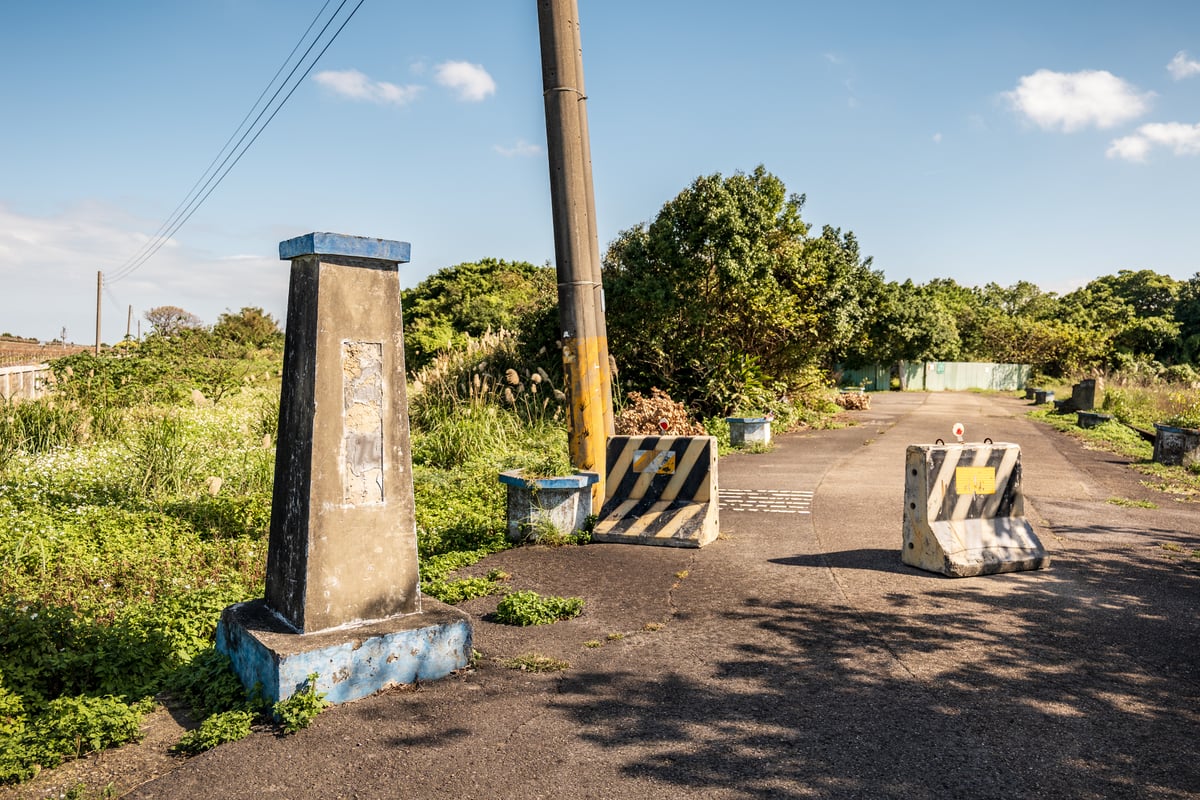
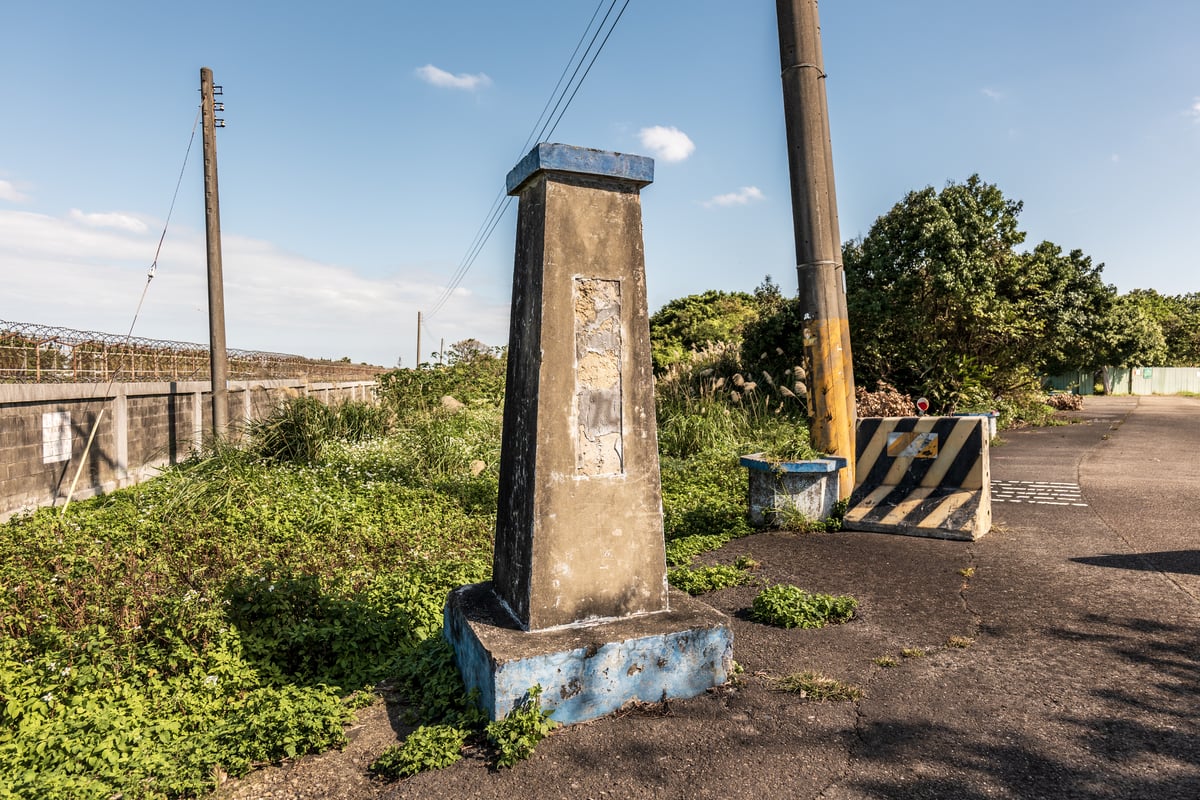
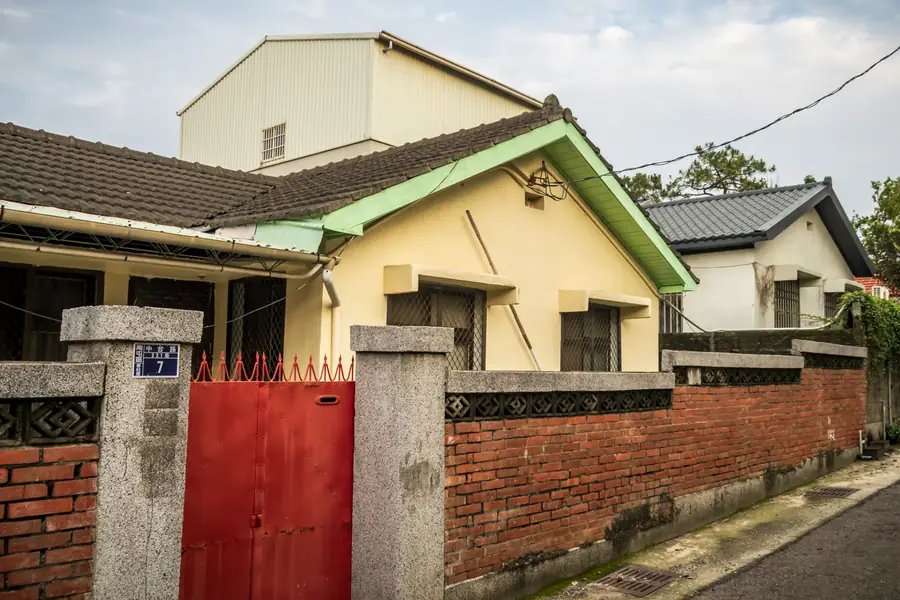
Members of ROCAF and their families who arrived with the KMT in 1949 were settled in this vicinity with provisional housing built where nothing serviceable already existed. As with the Dahua Air Force Villages on the opposite side of the base in neighbouring Luzhu, the villages were originally numbered as Taoyuan Air Force dormitory units, but all were soon renamed in the Jianguo (建國) series. According to one former resident, every village here except No. 17 was converted from Japanese warehouses.
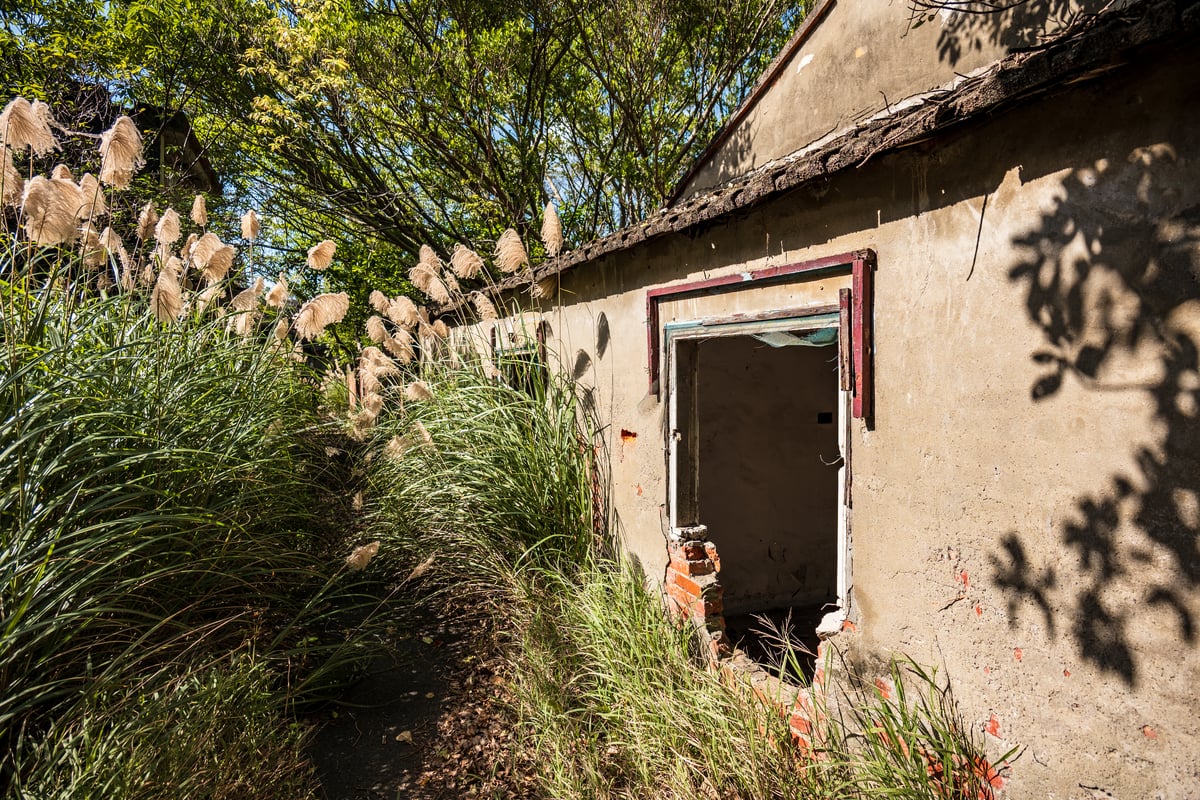
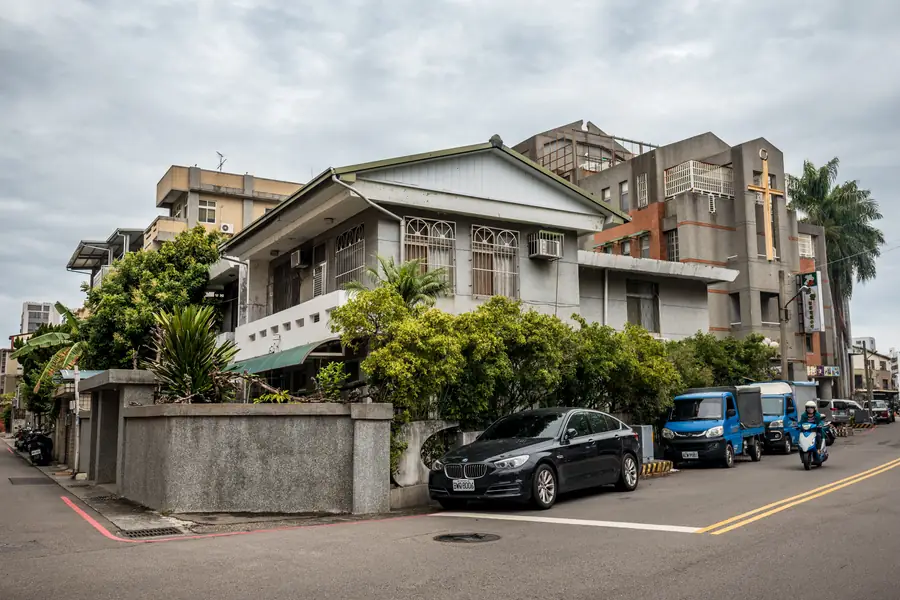
In July 1962 they were split from Dahai as a separate administrative village named Jianhua (建華村). Construction of Taoyuan International Airport displaced all of Jianguo No. 10 in May 1978, its residents split between Yangming Community (陽明社區) behind Taoyuan Station and Sanhe Community (三和社區) in neighbouring Guolin Village (菓林村), which does not seem to retain much of a martial atmosphere. Most households, No. 10’s included, were eventually rehoused in the redevelopment of Luguang No. 2 Village in Guishan, and Jianhua was finally reabsorbed into Dahai in February 2006 as the villages were depopulated and redeveloped.
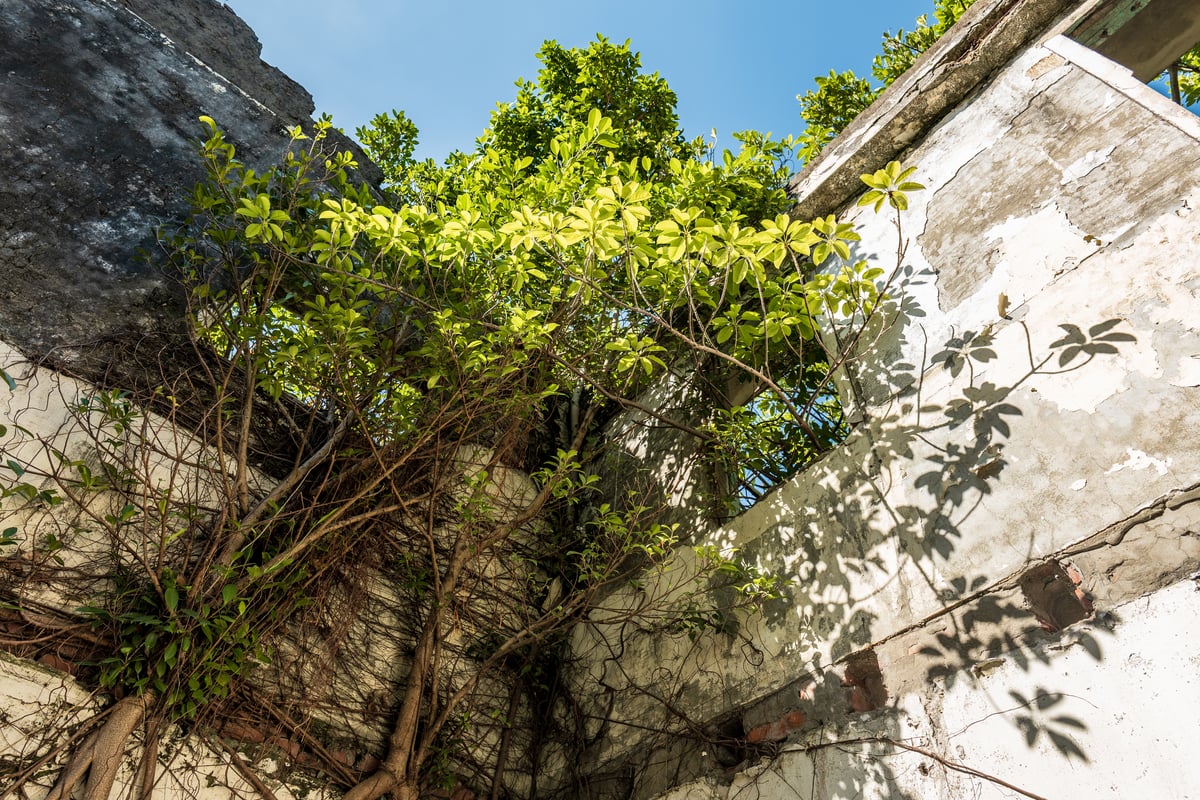
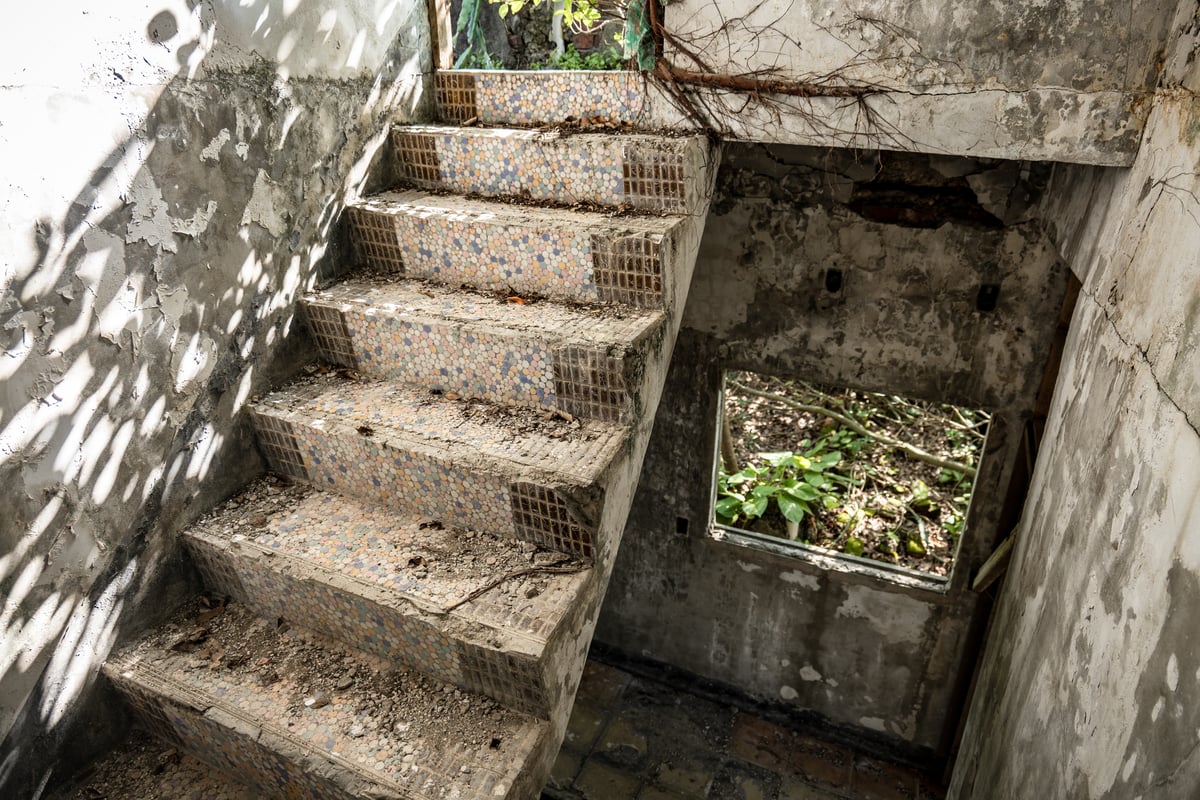
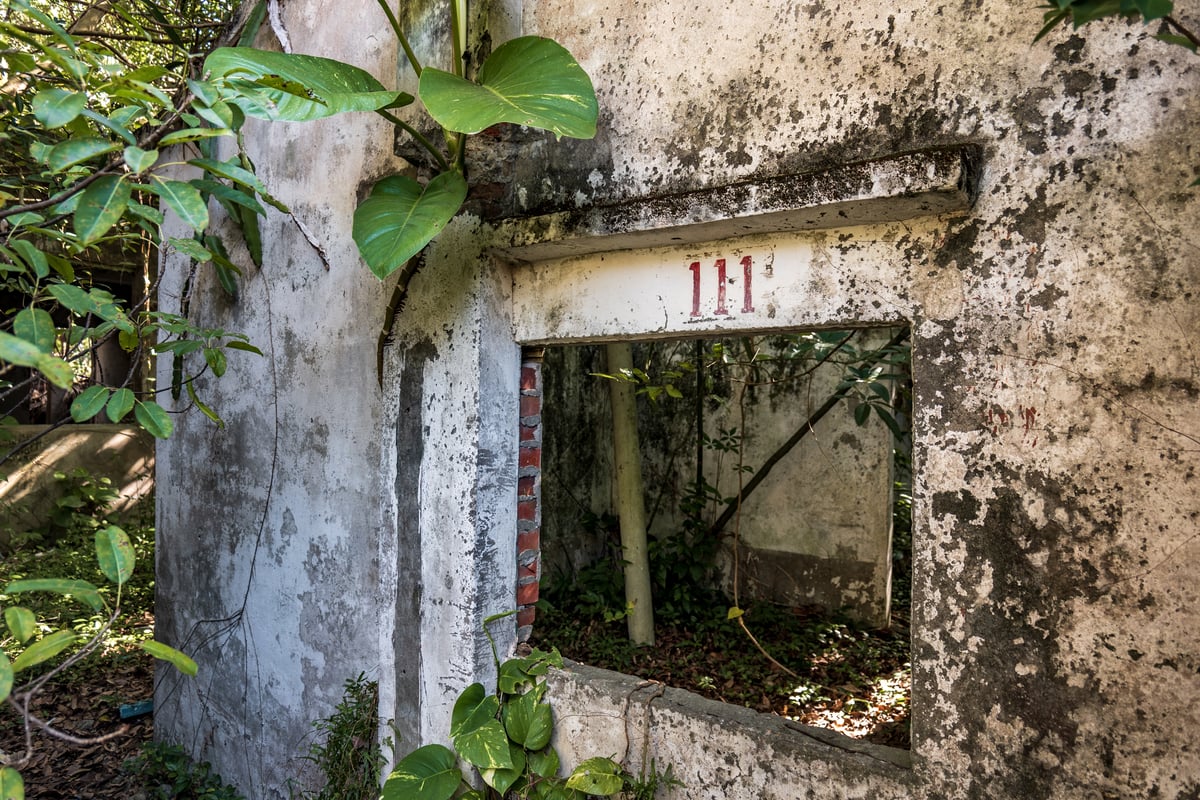
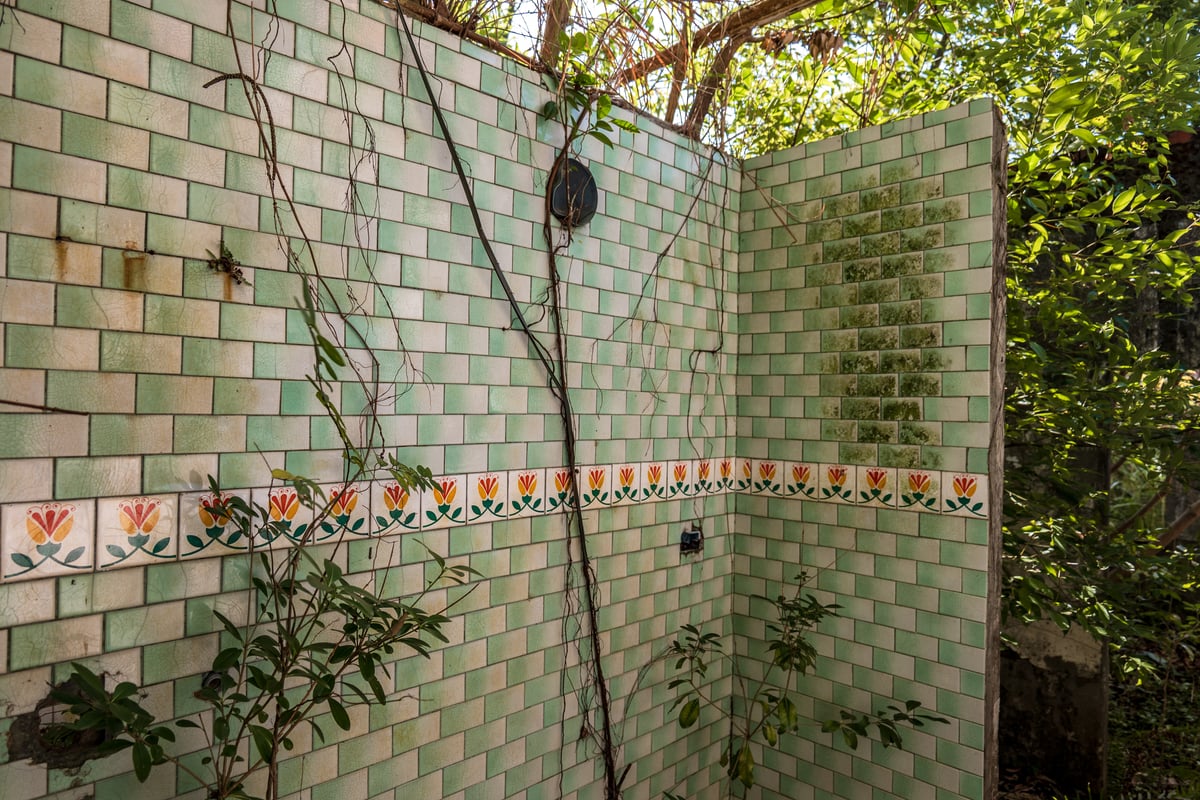
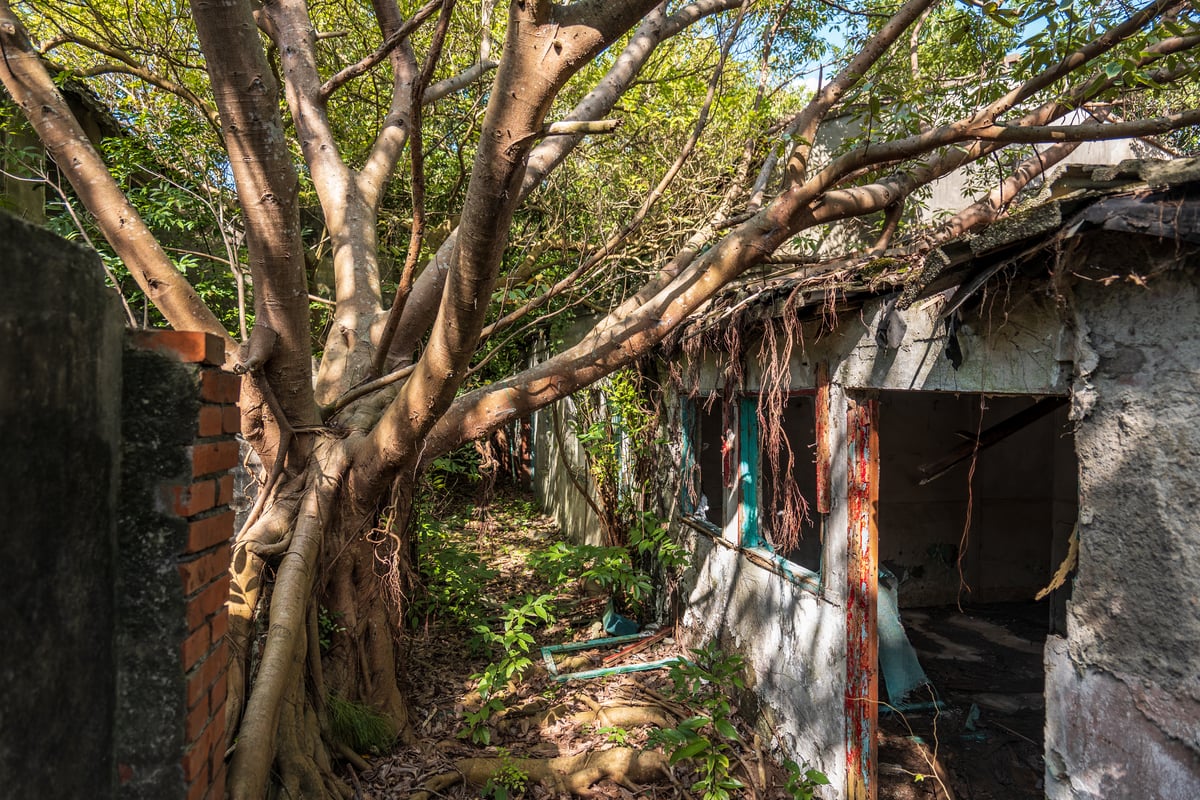
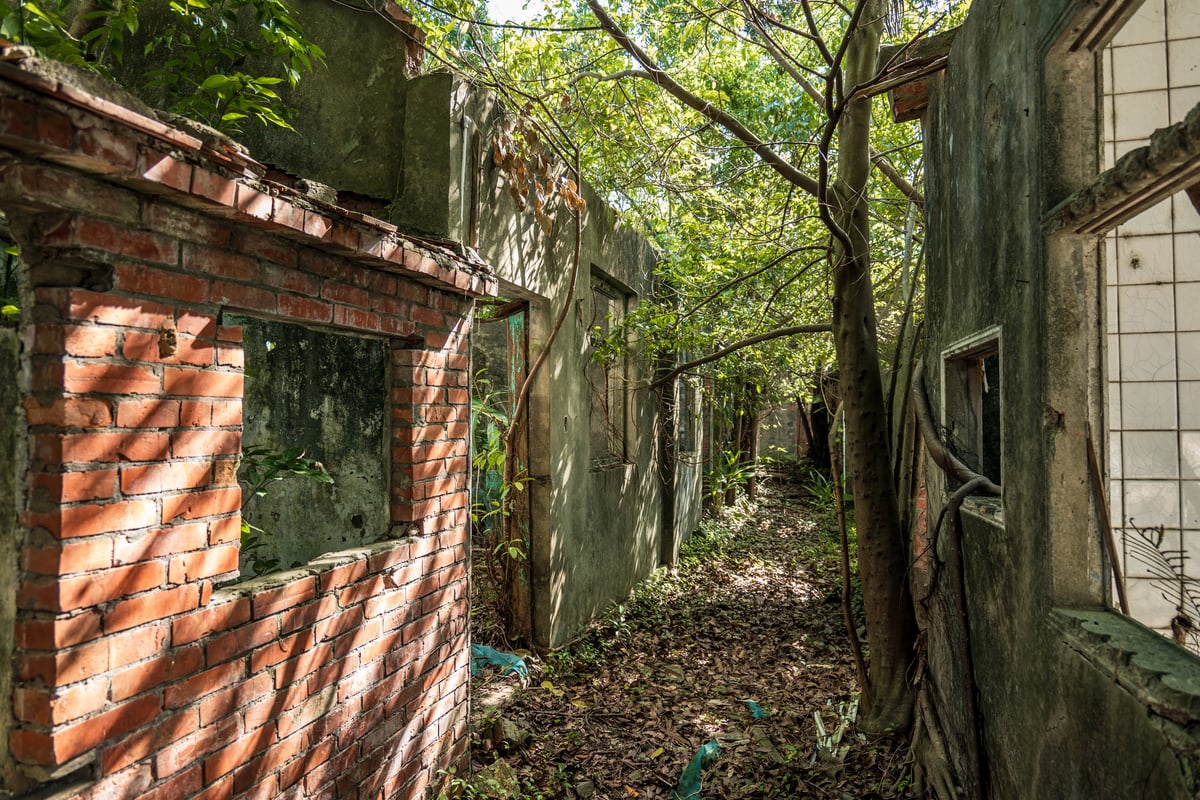
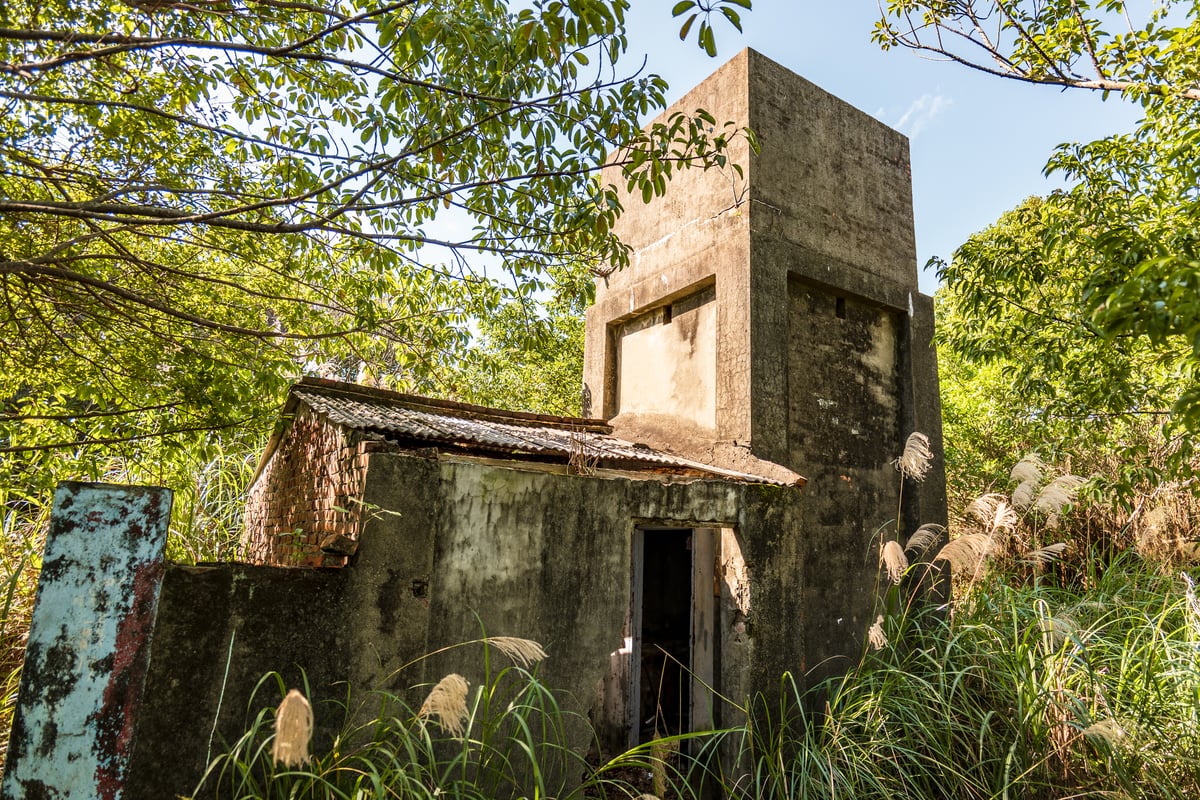
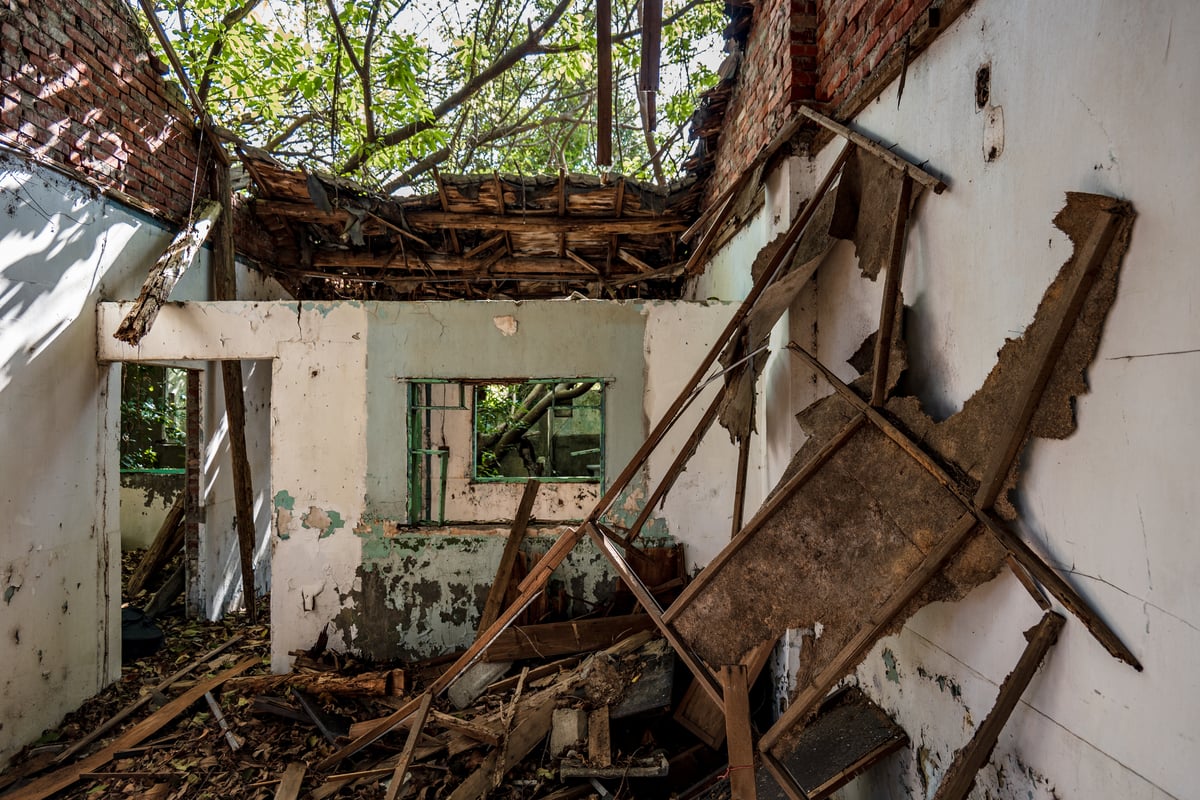
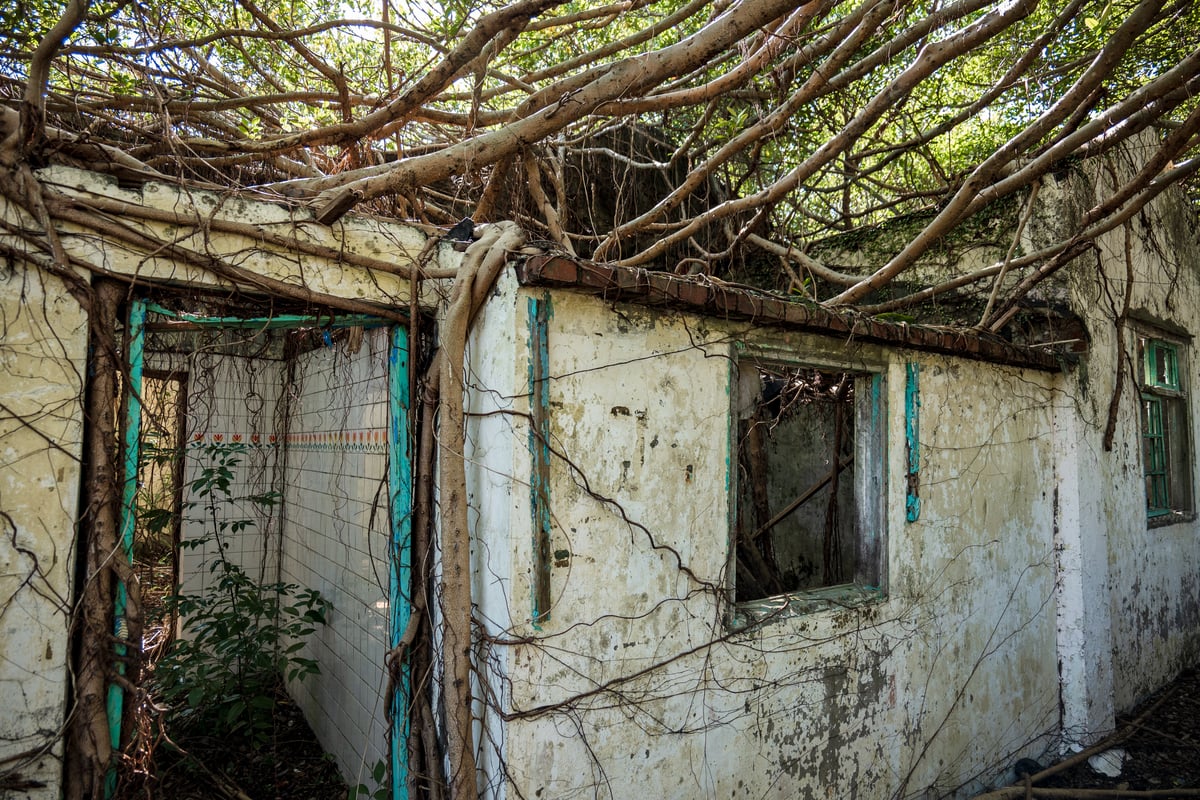
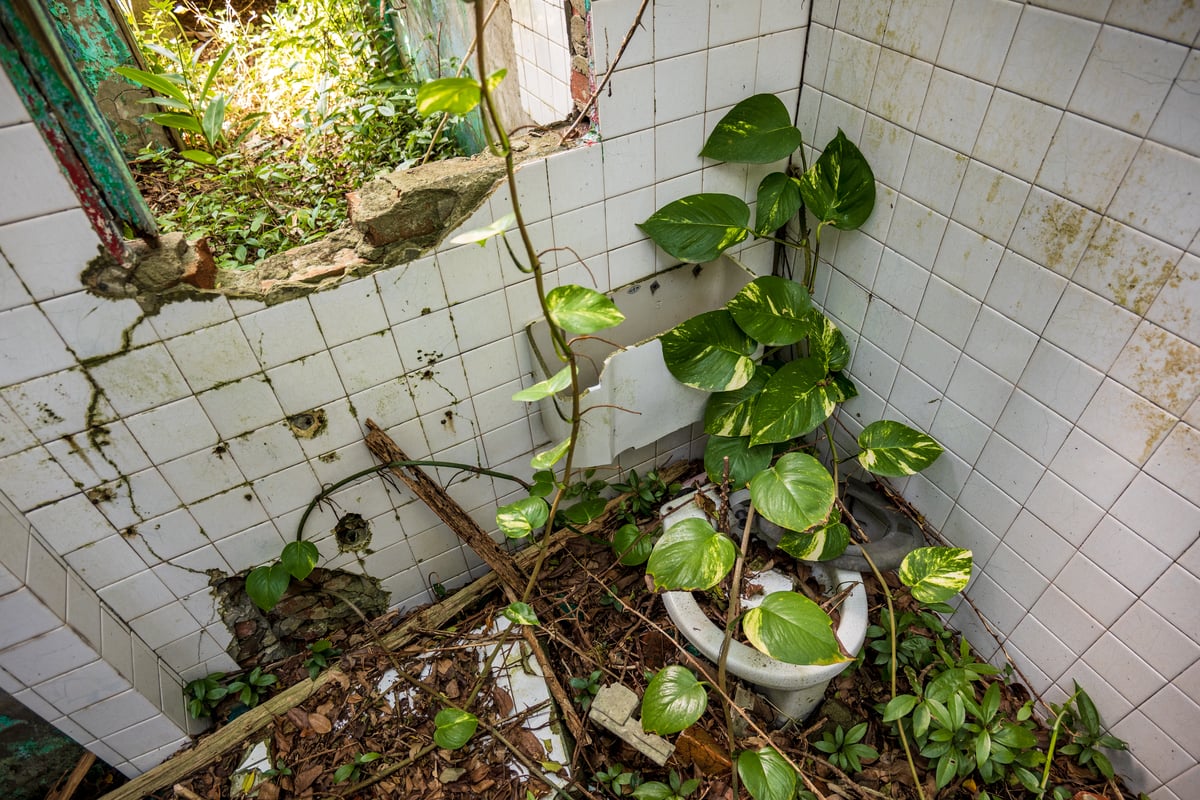
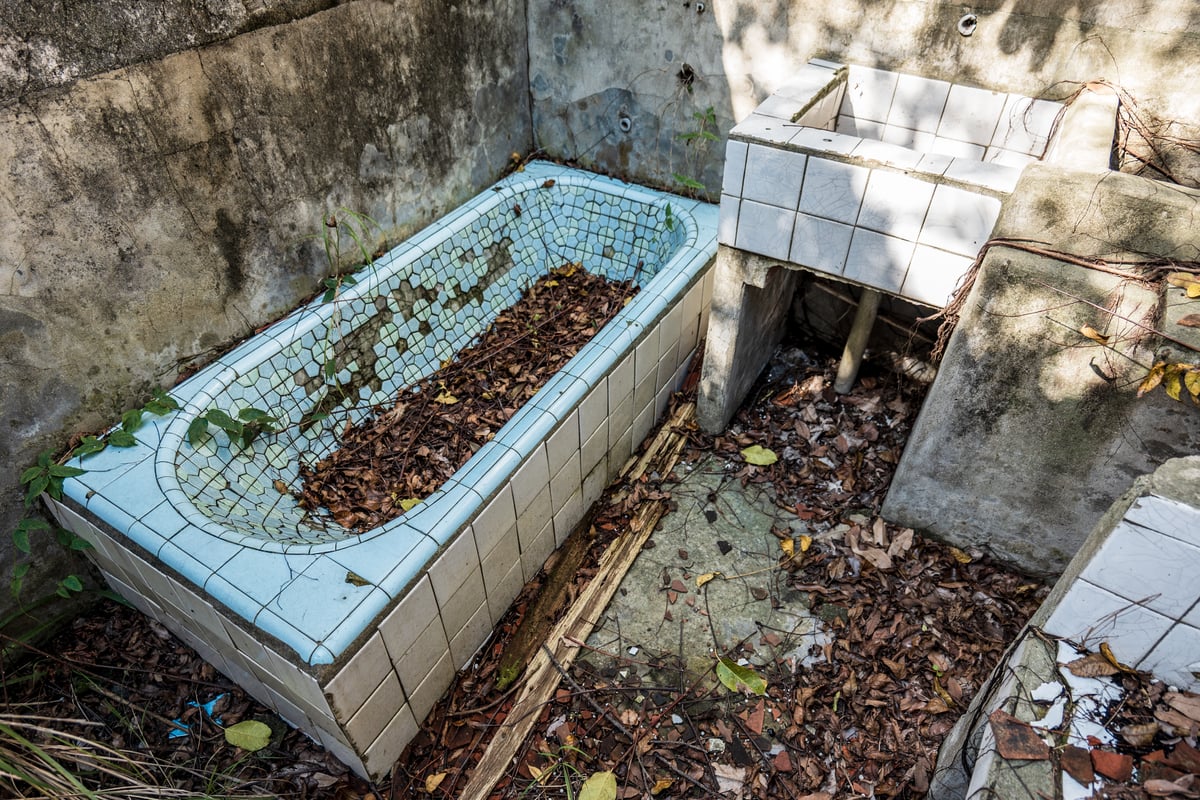
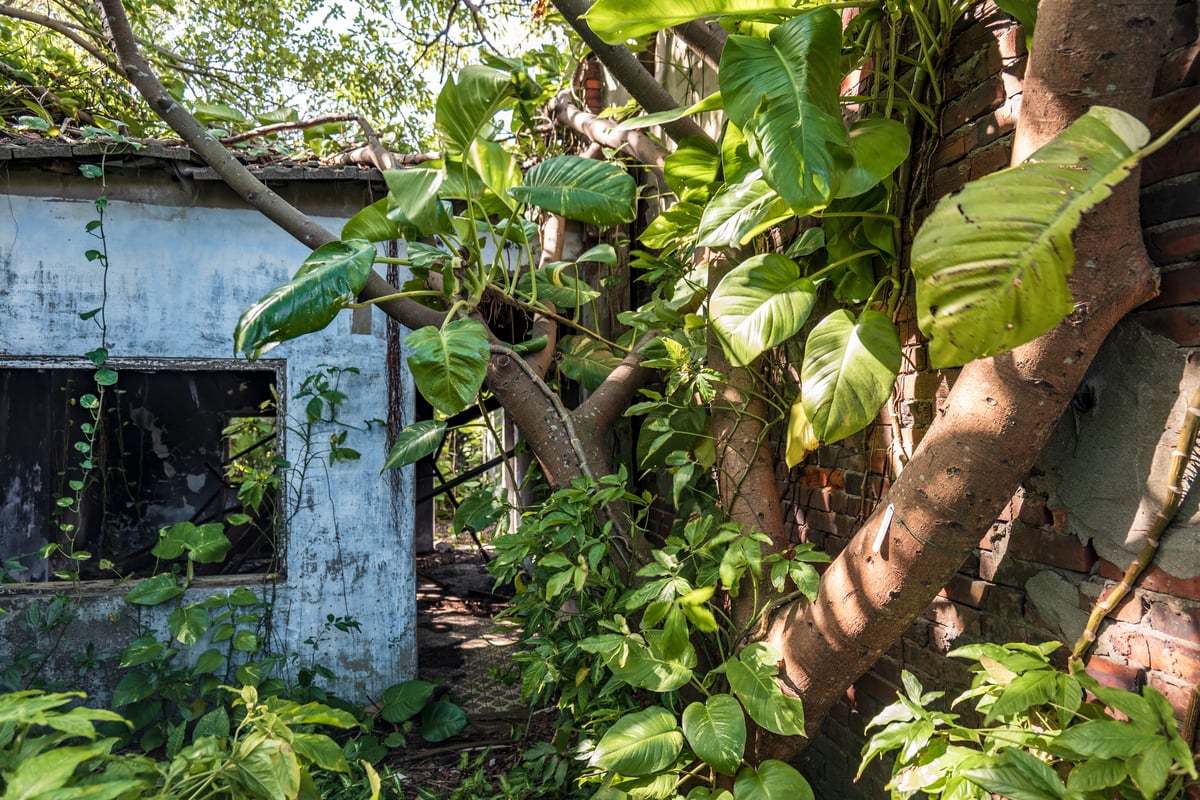
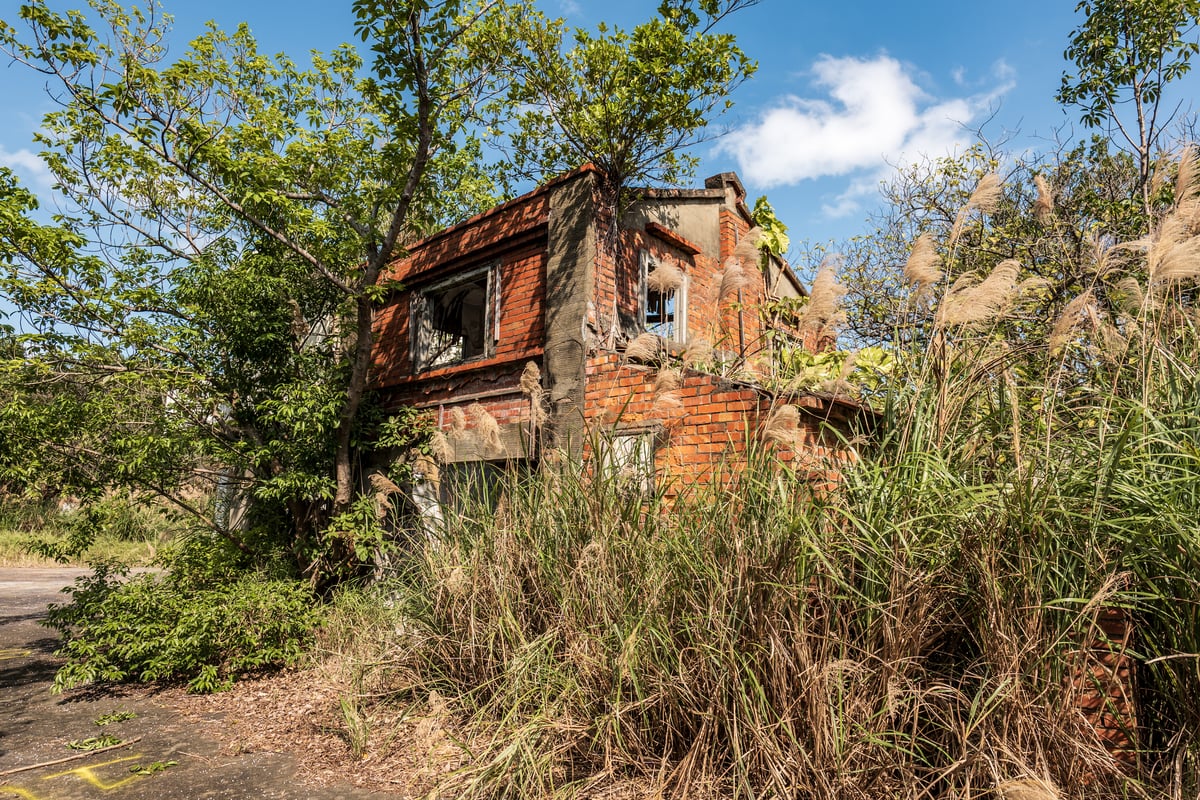
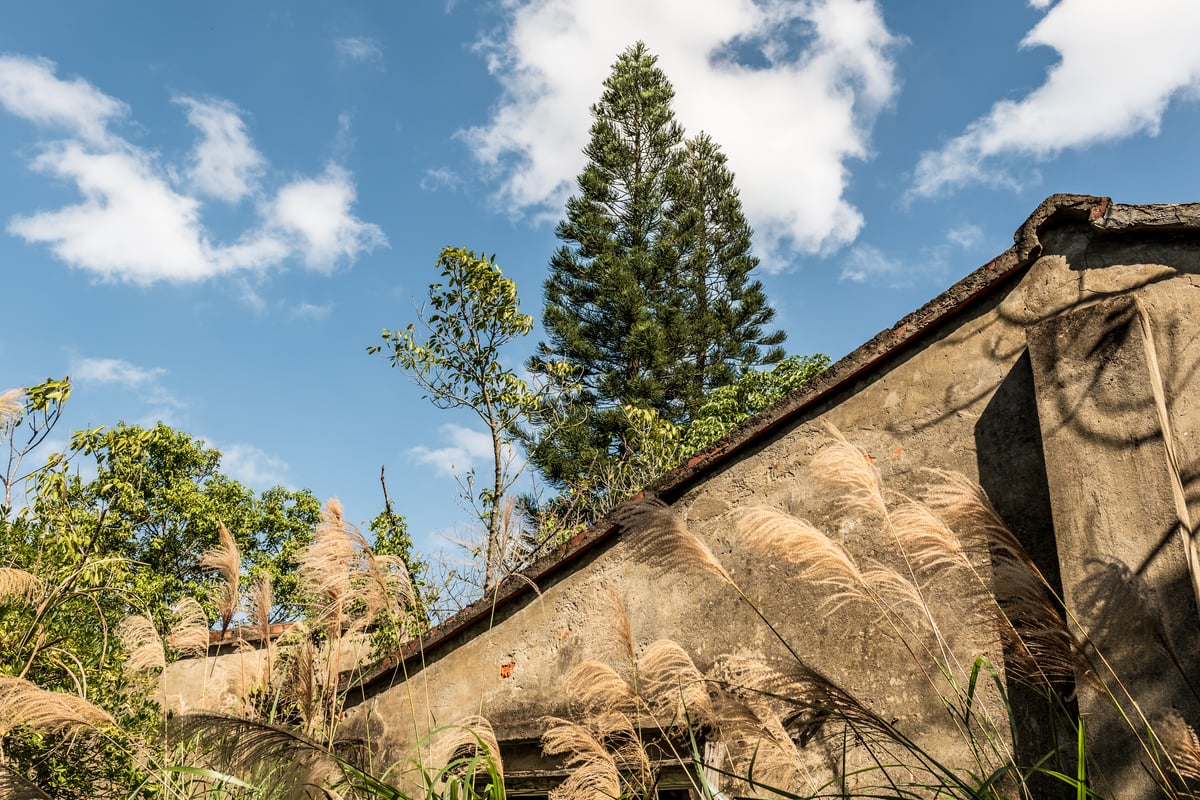
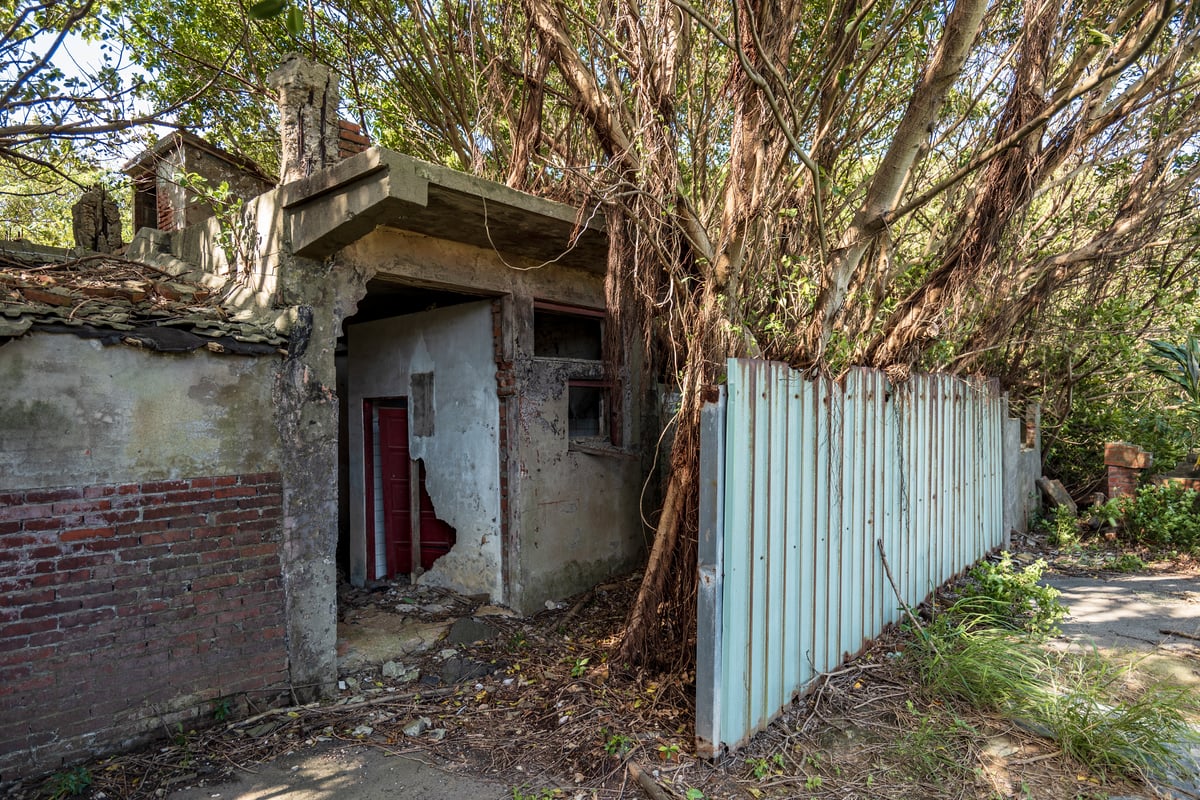
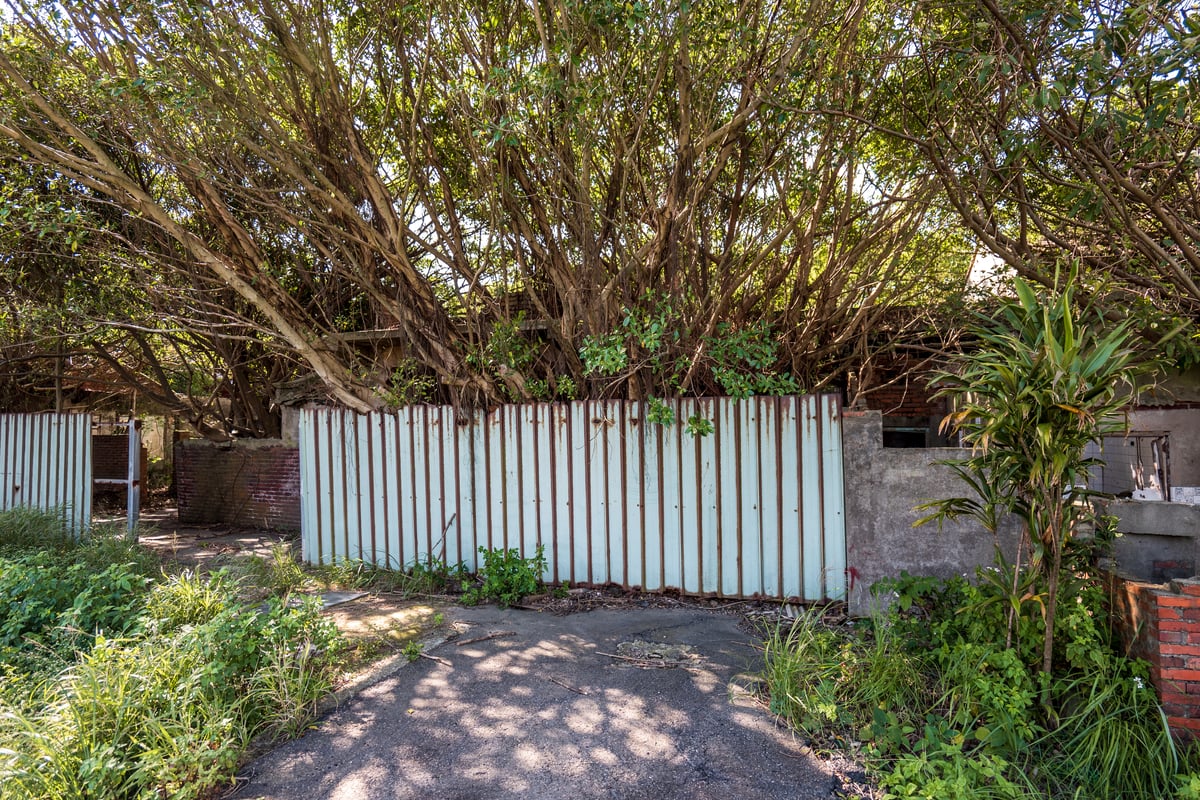
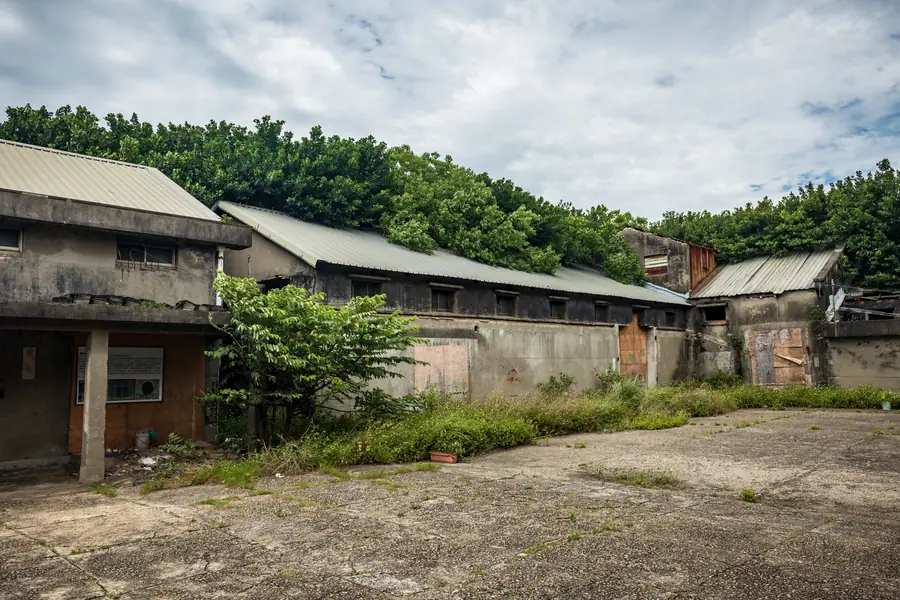
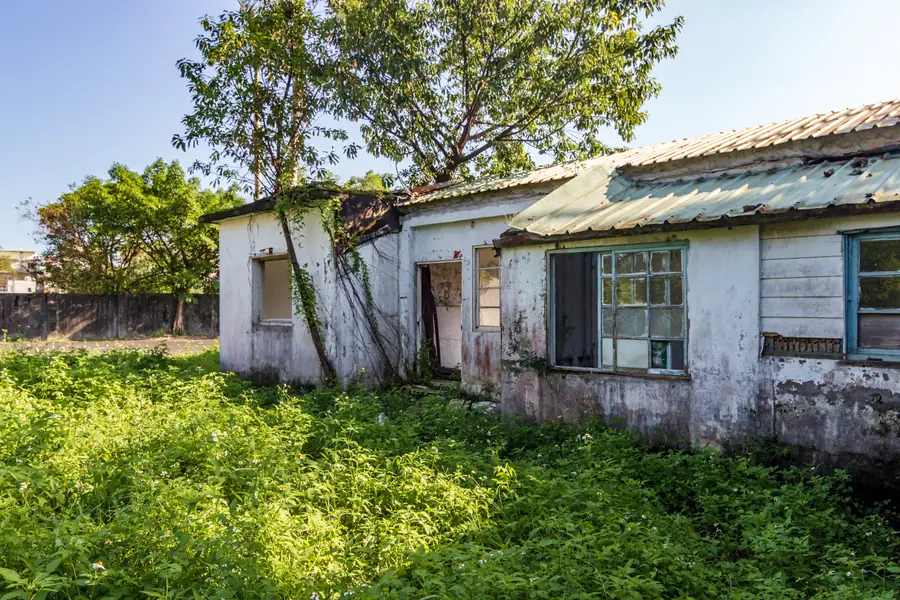
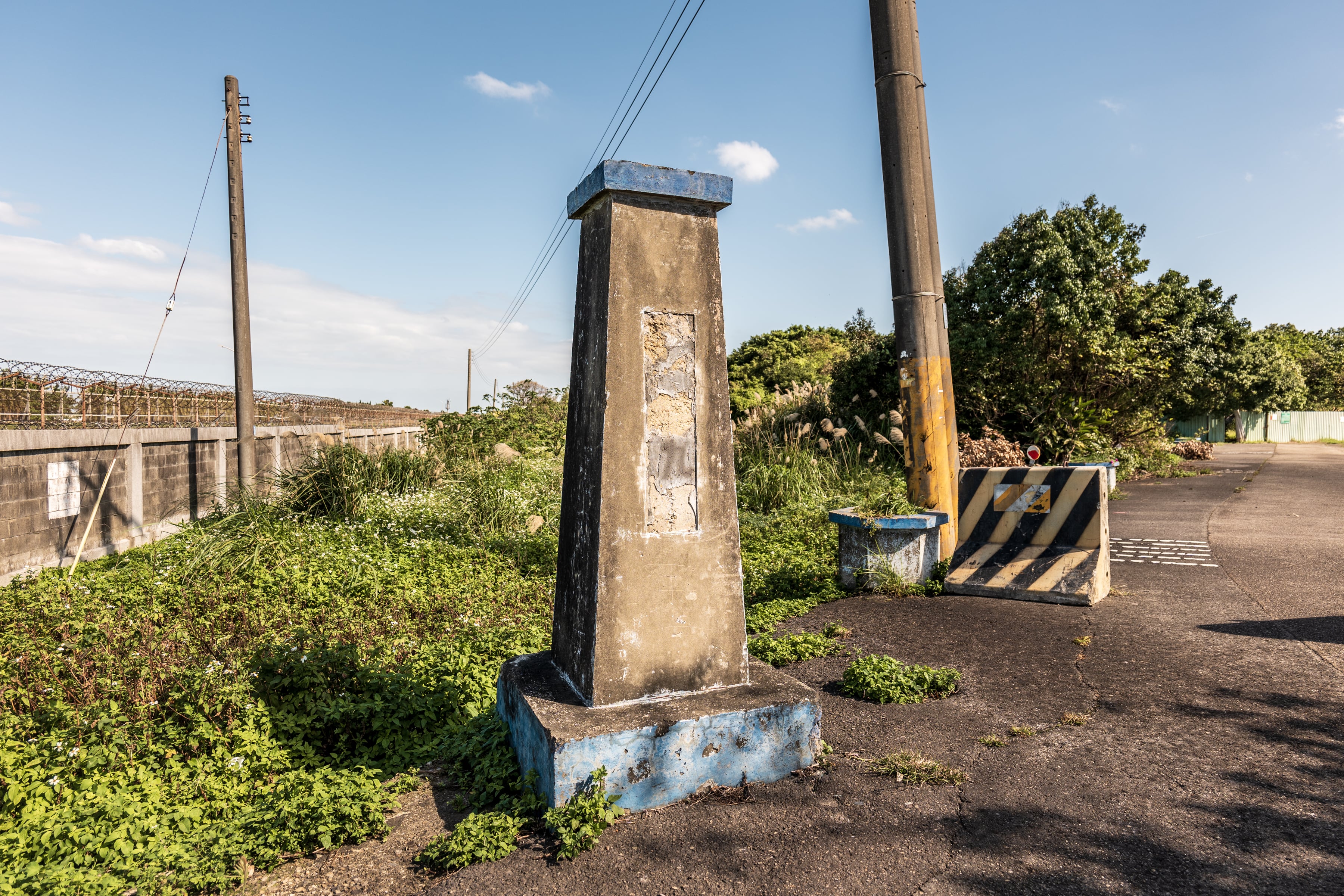
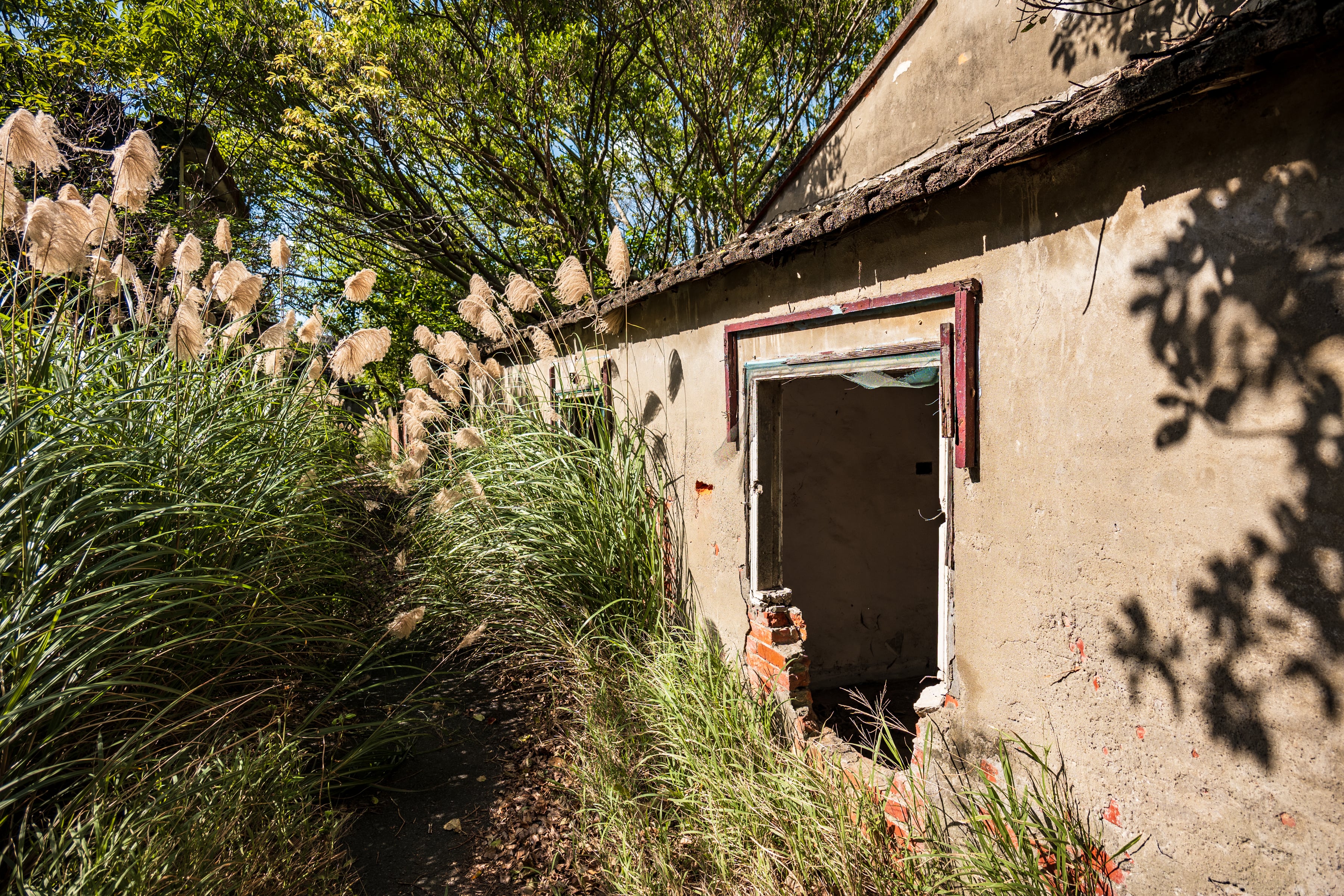
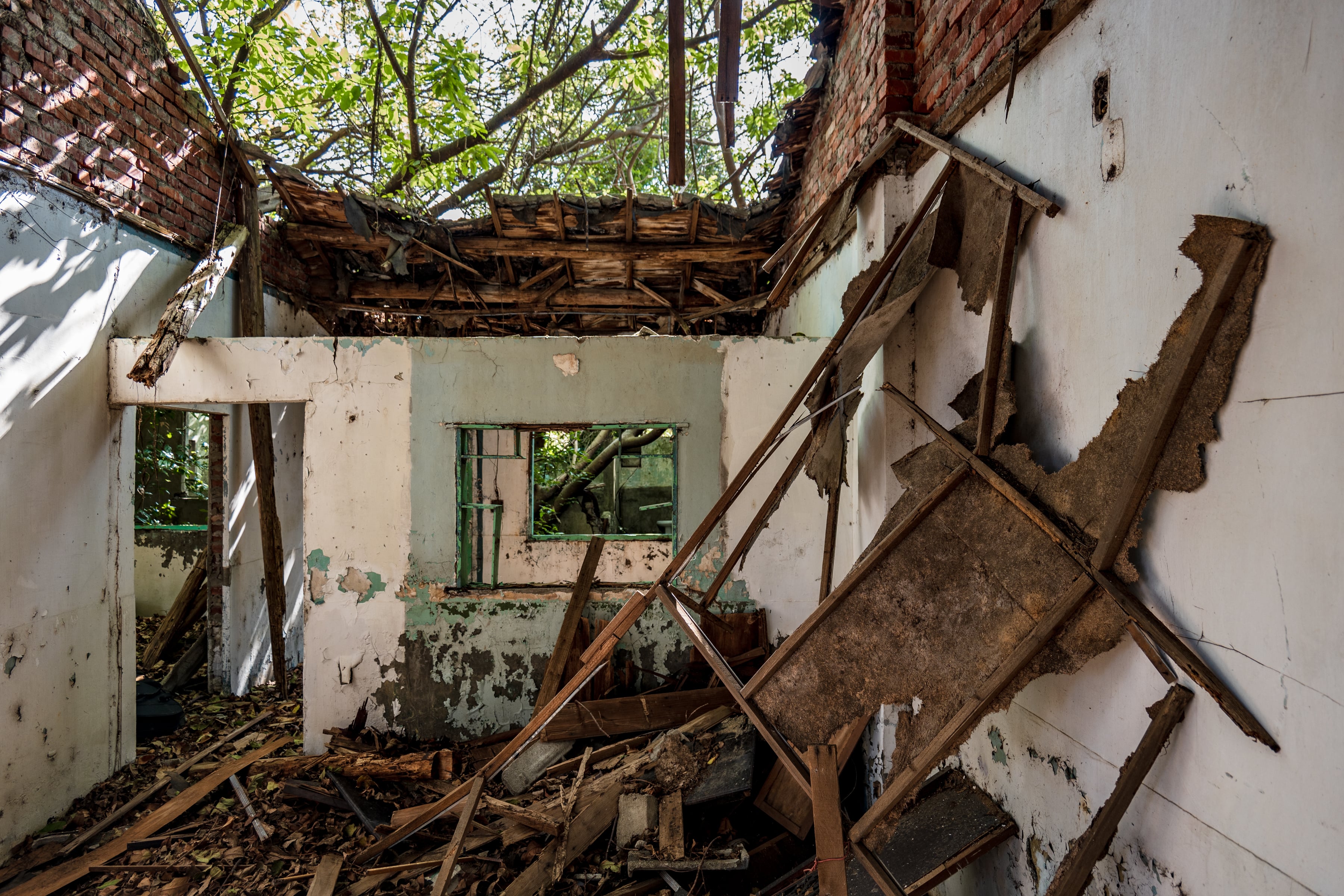
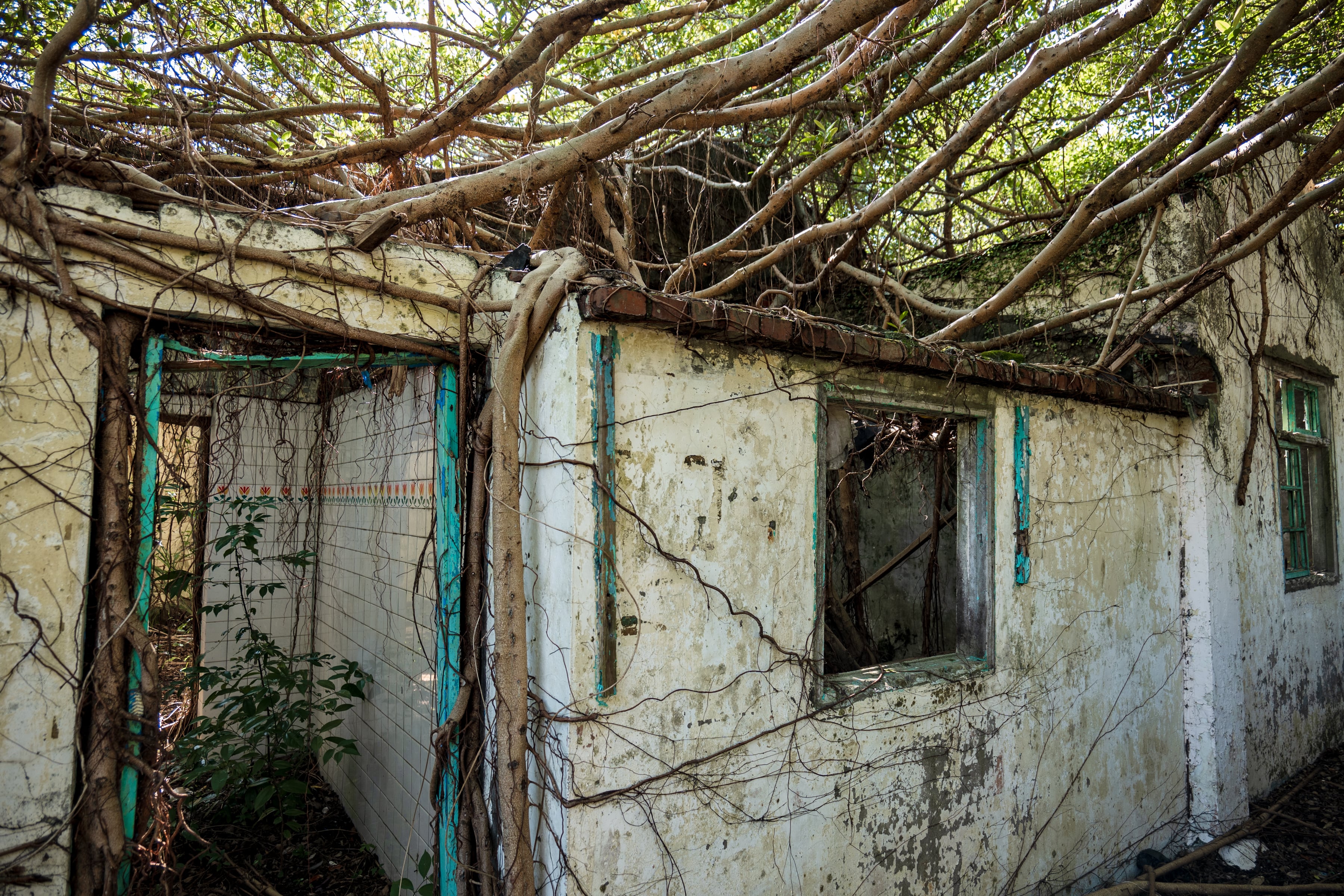
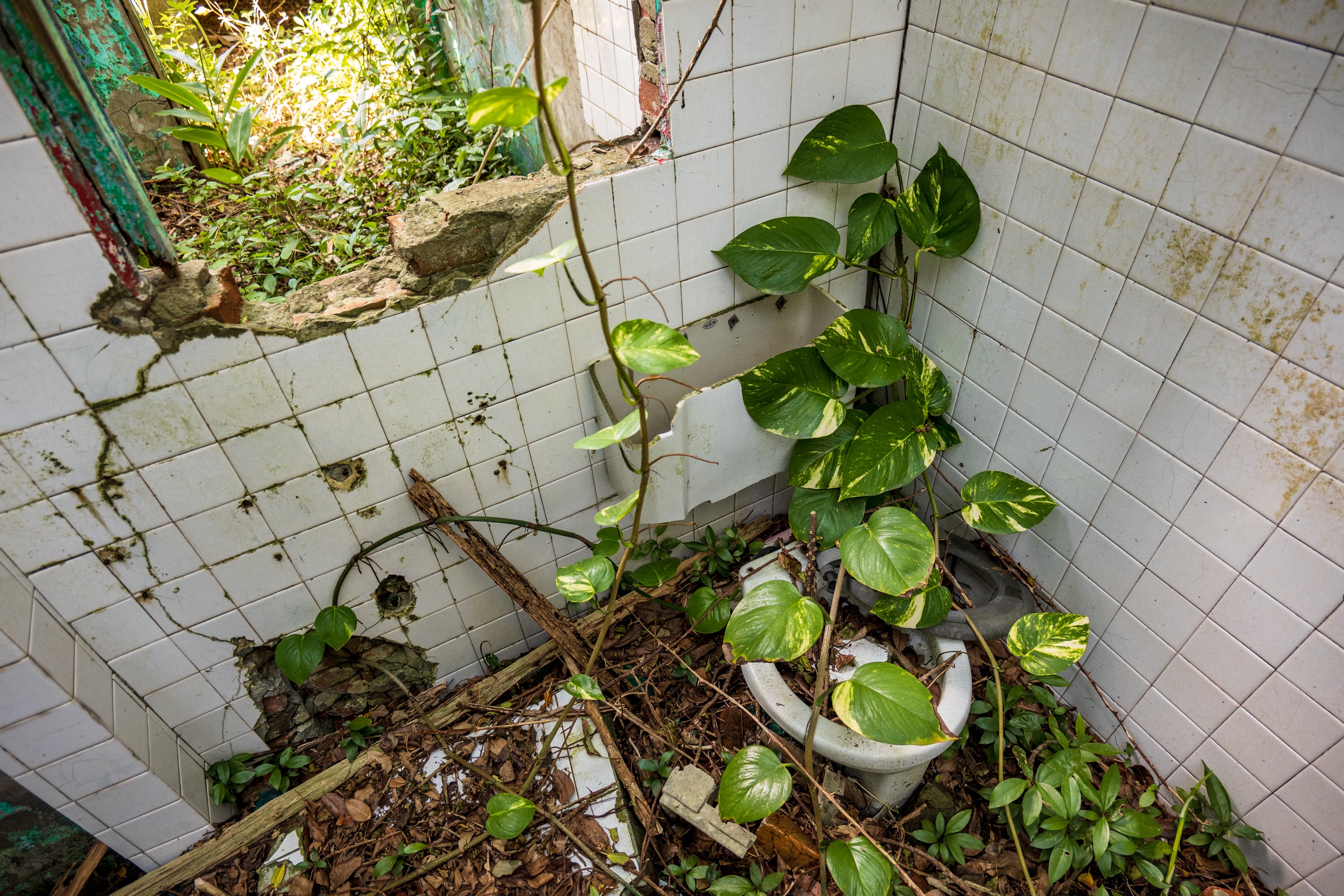
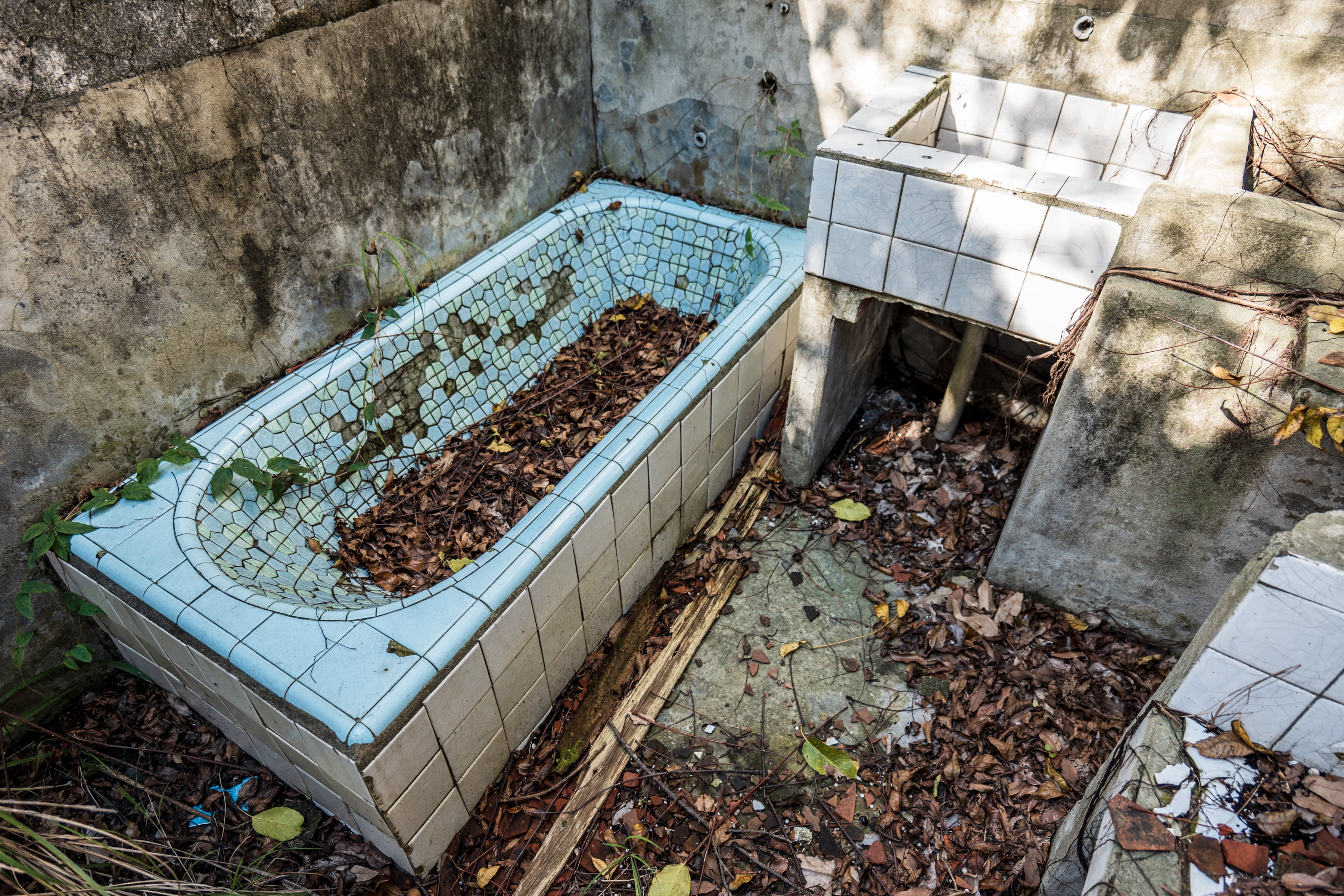
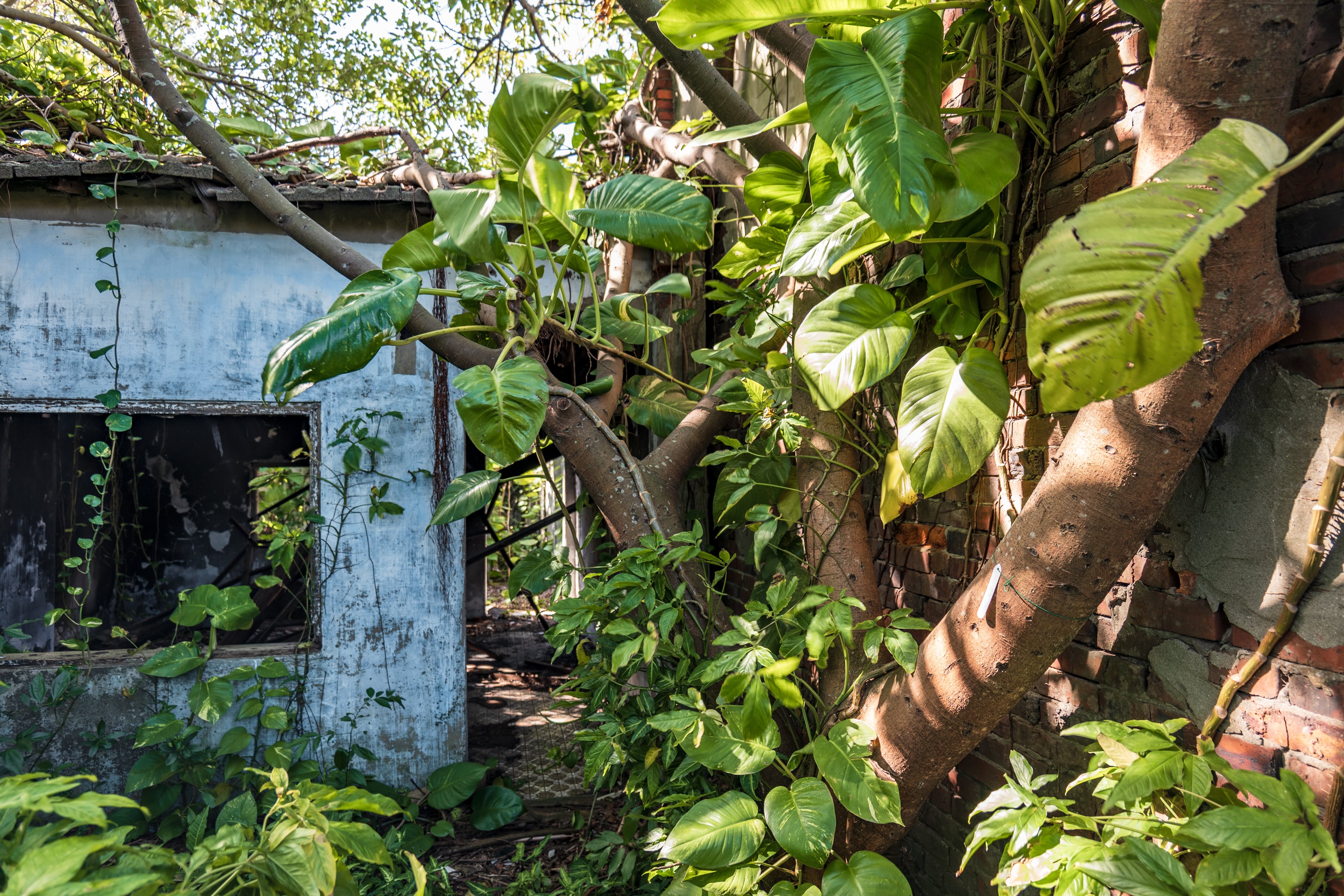
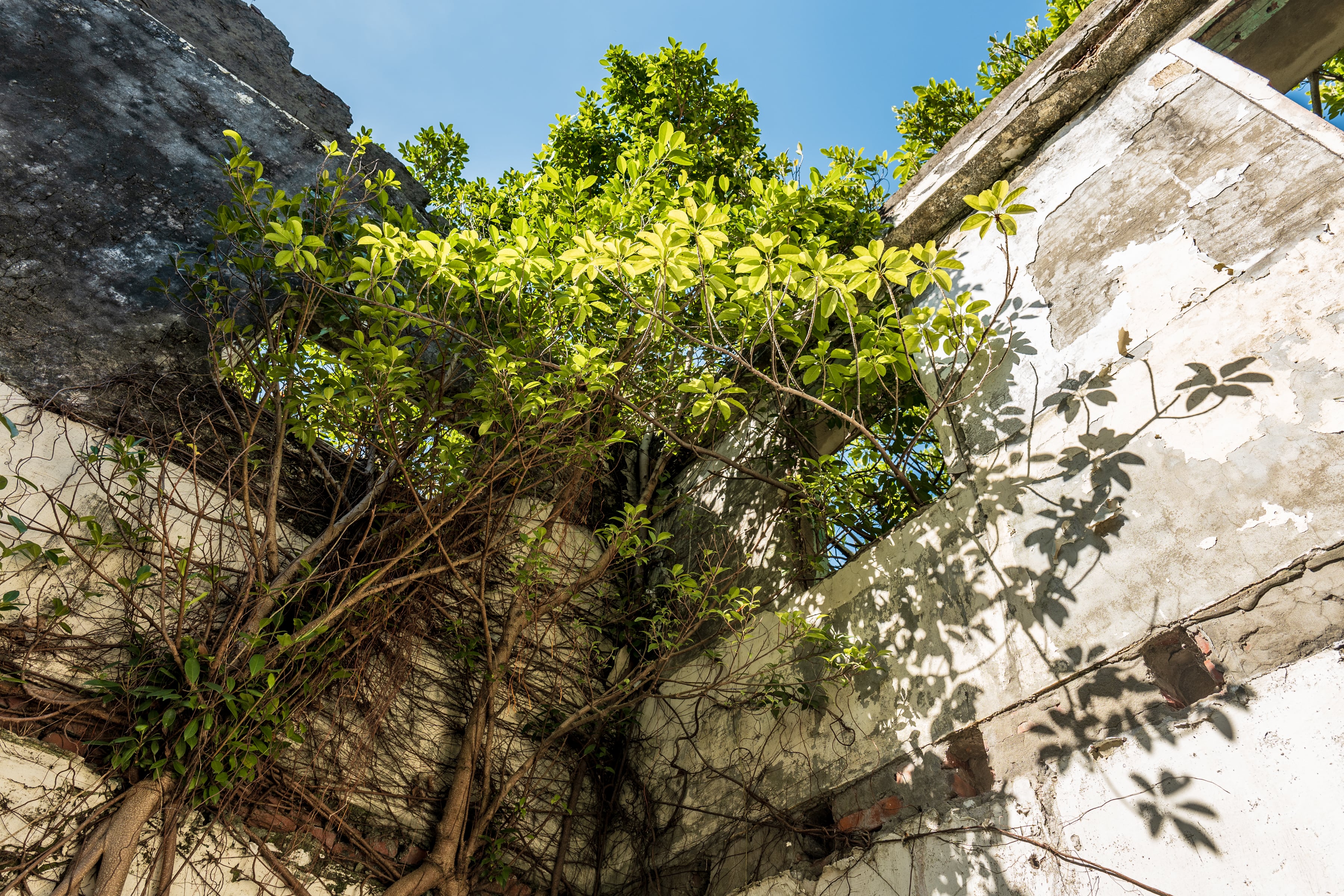
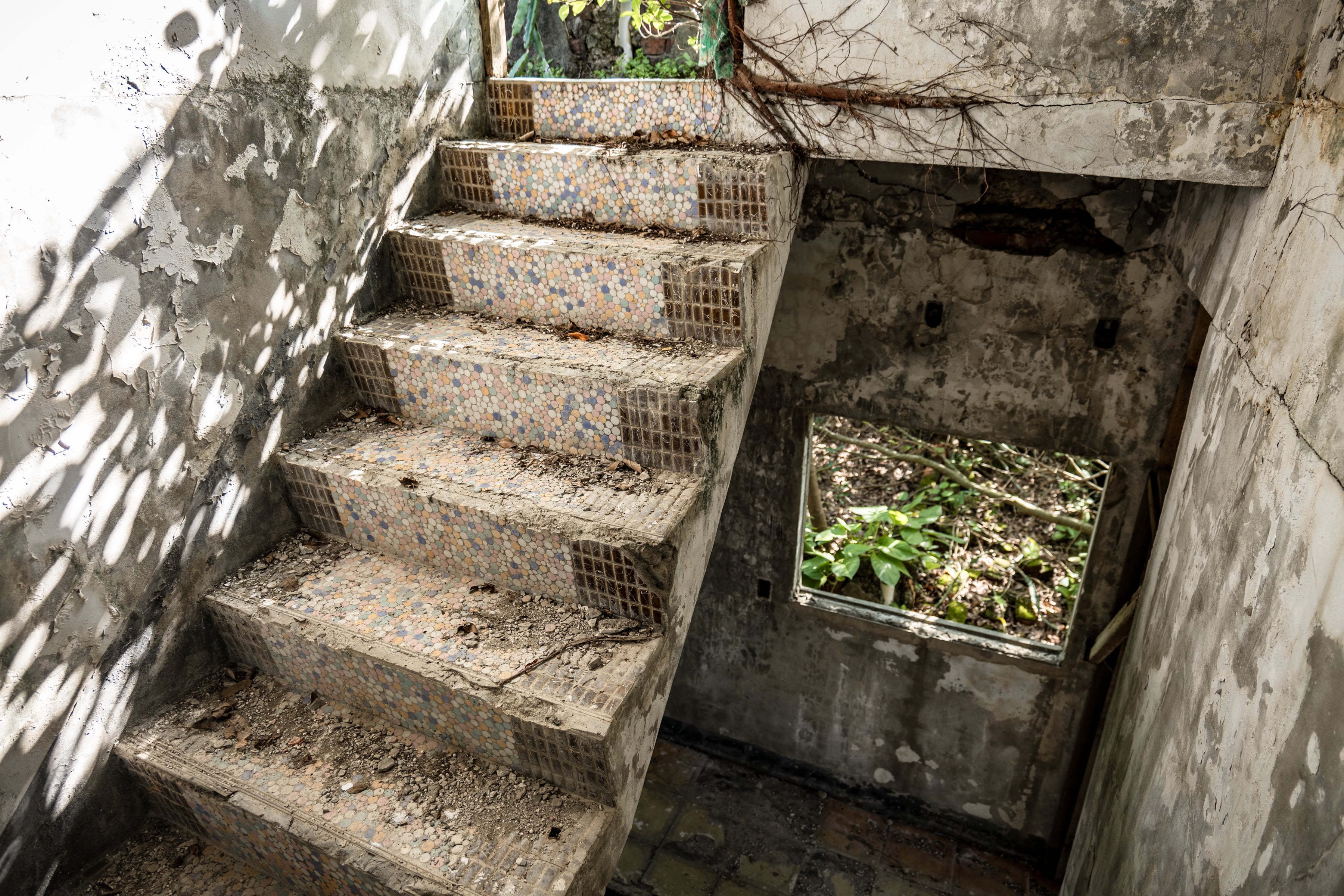
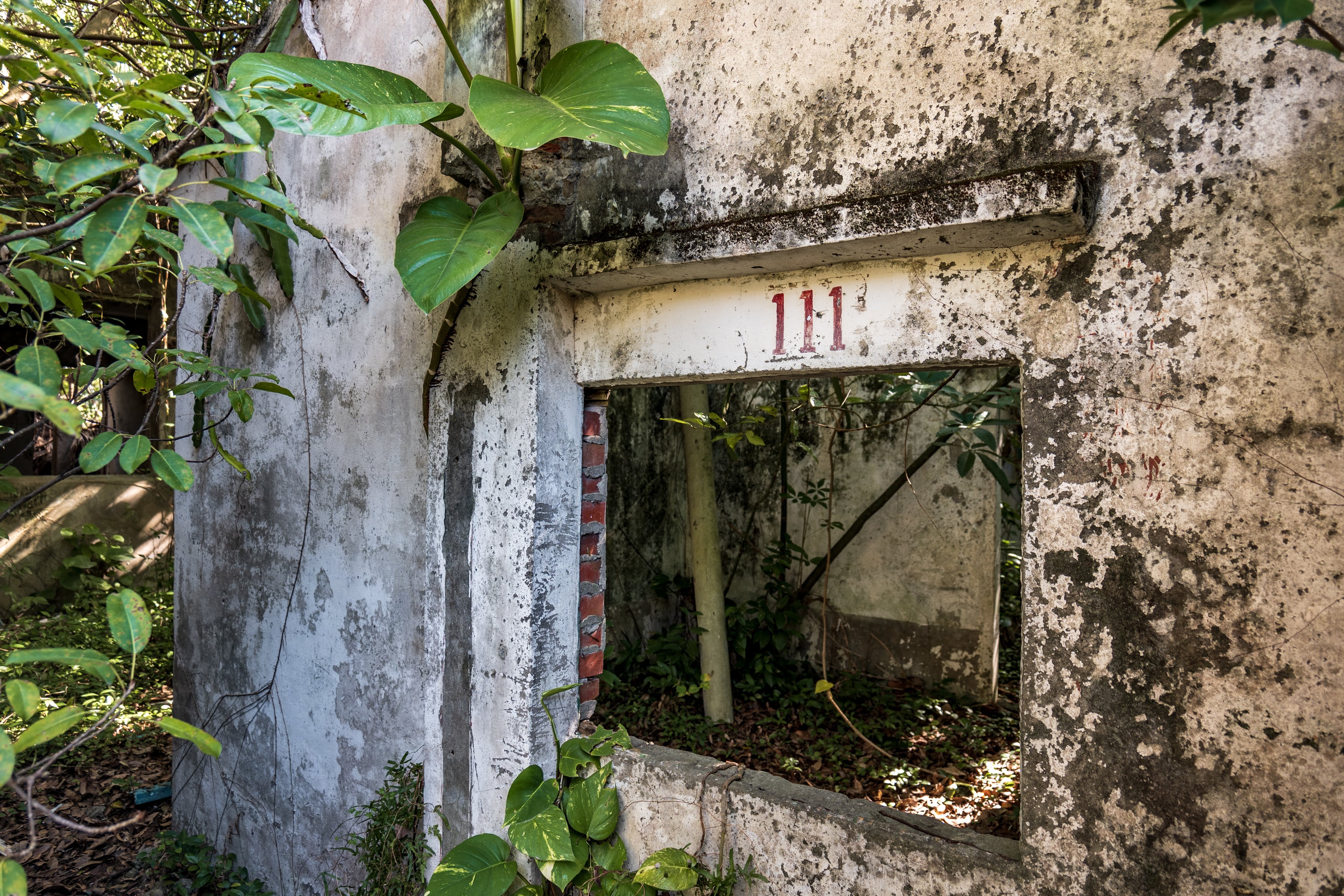
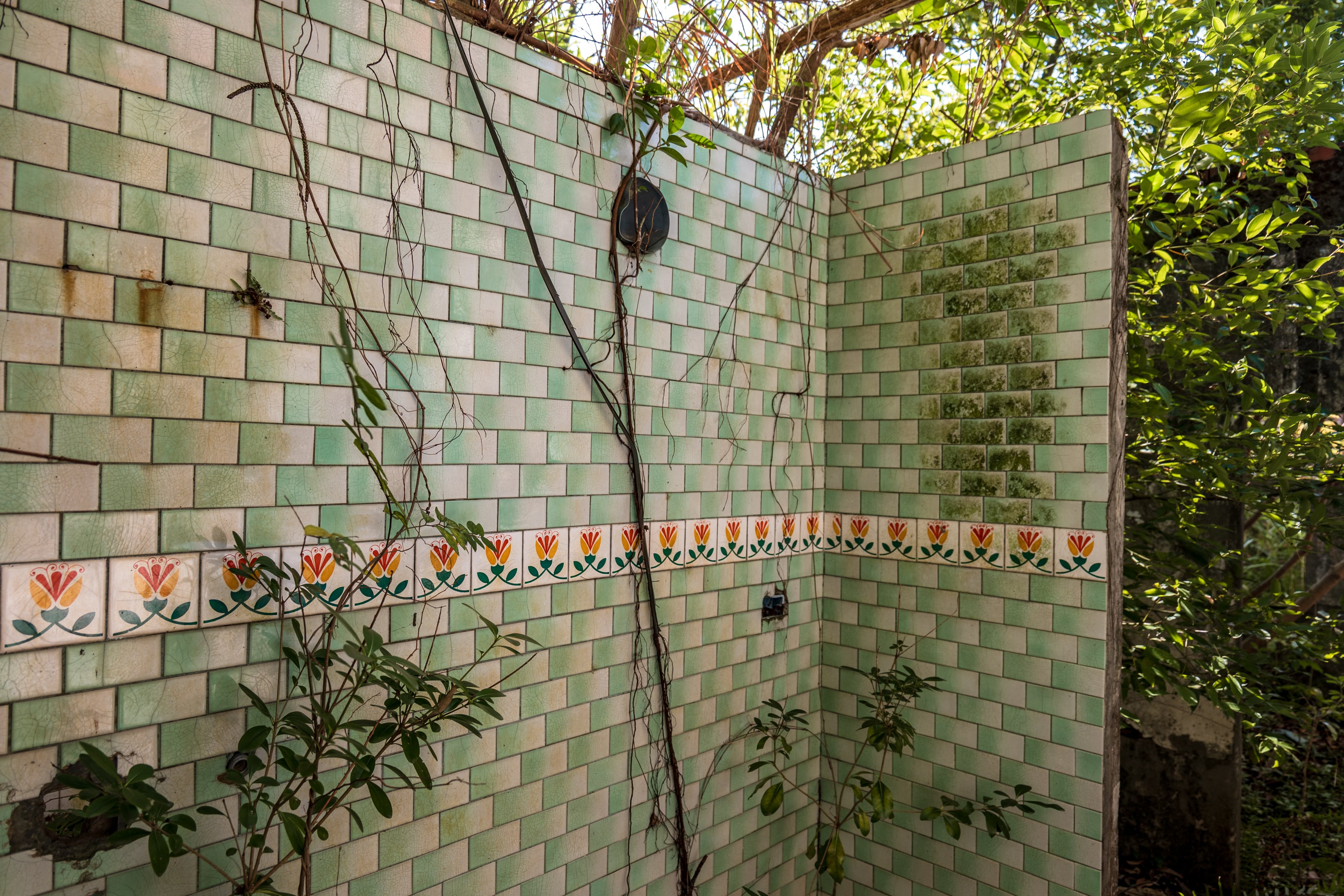
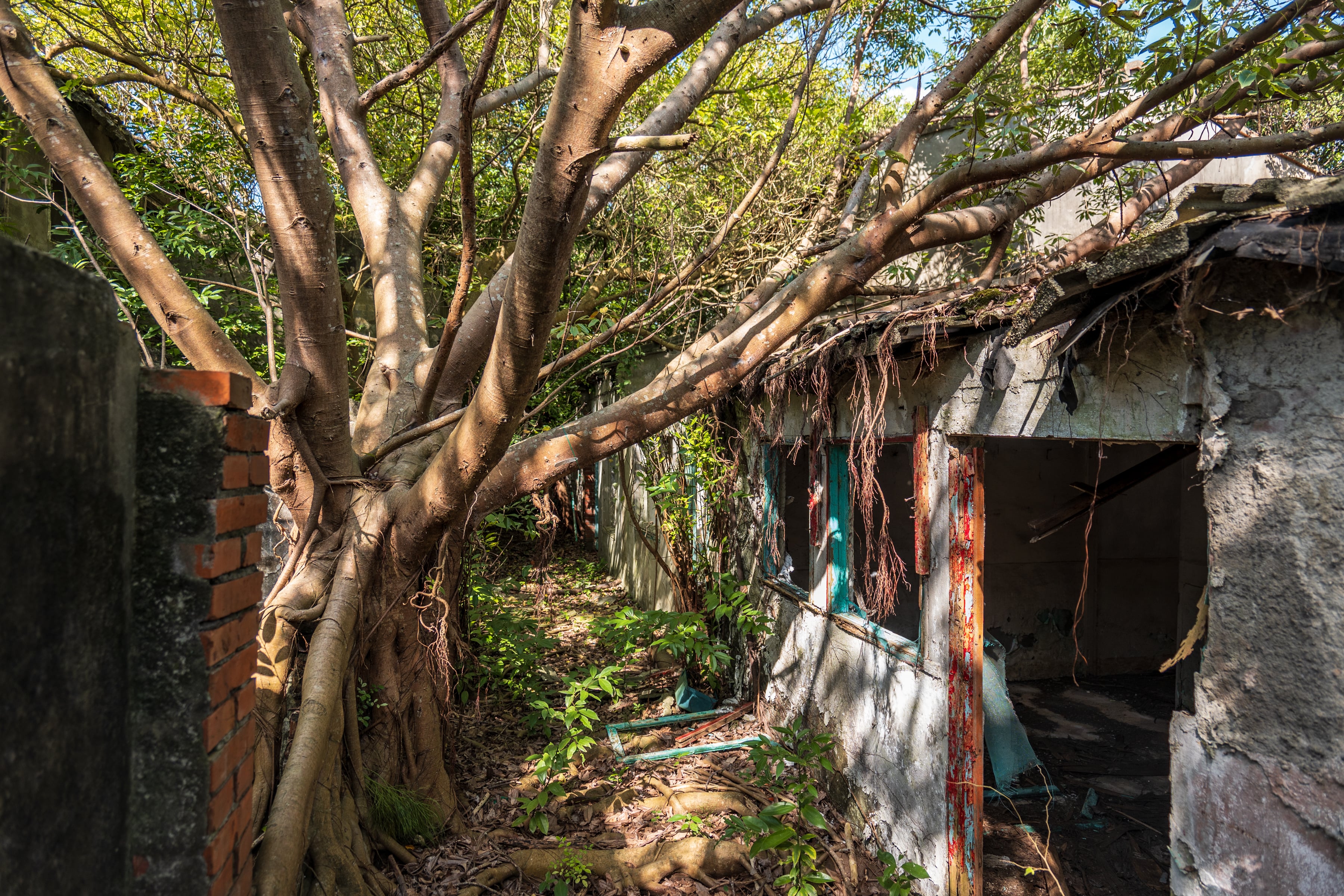
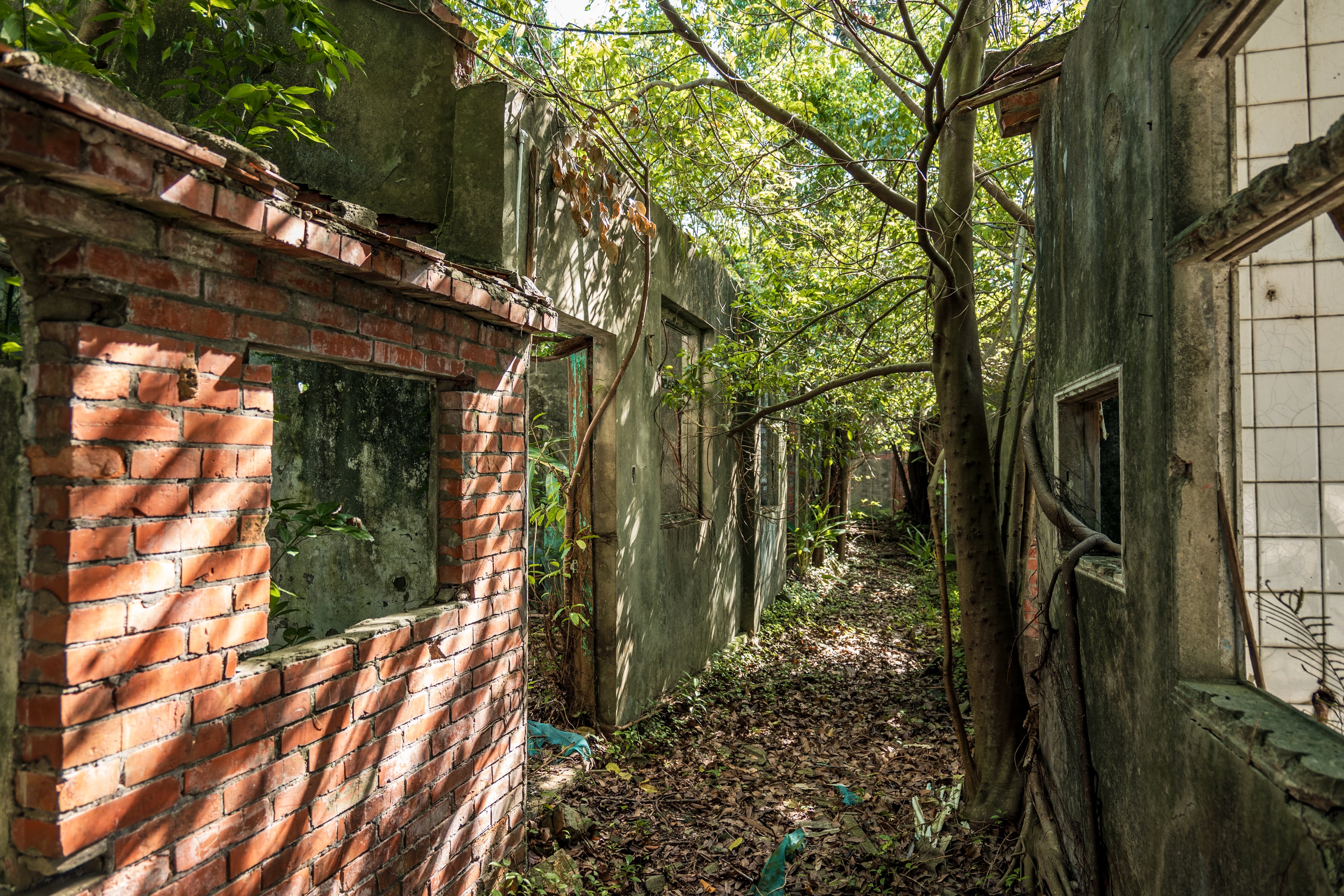
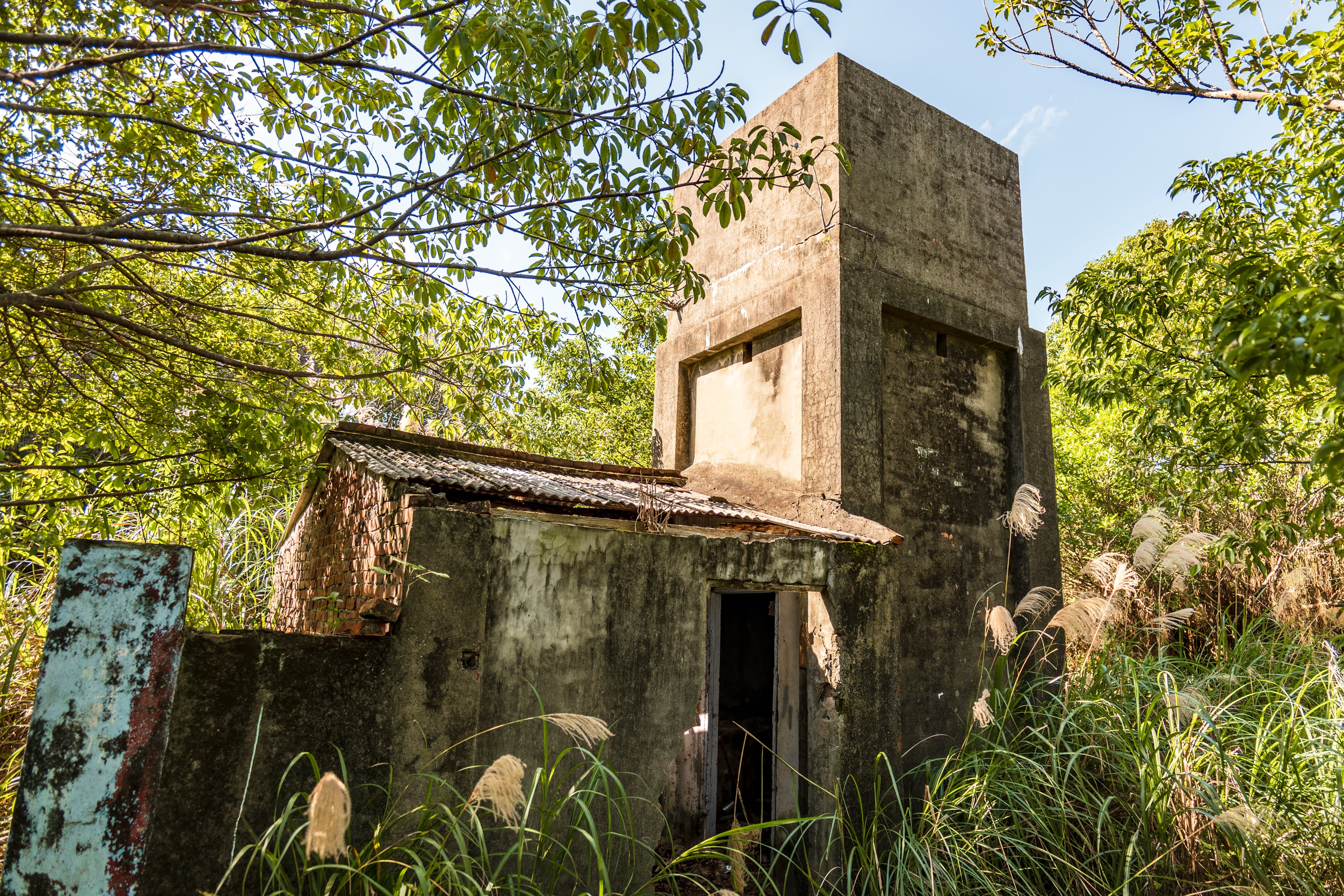
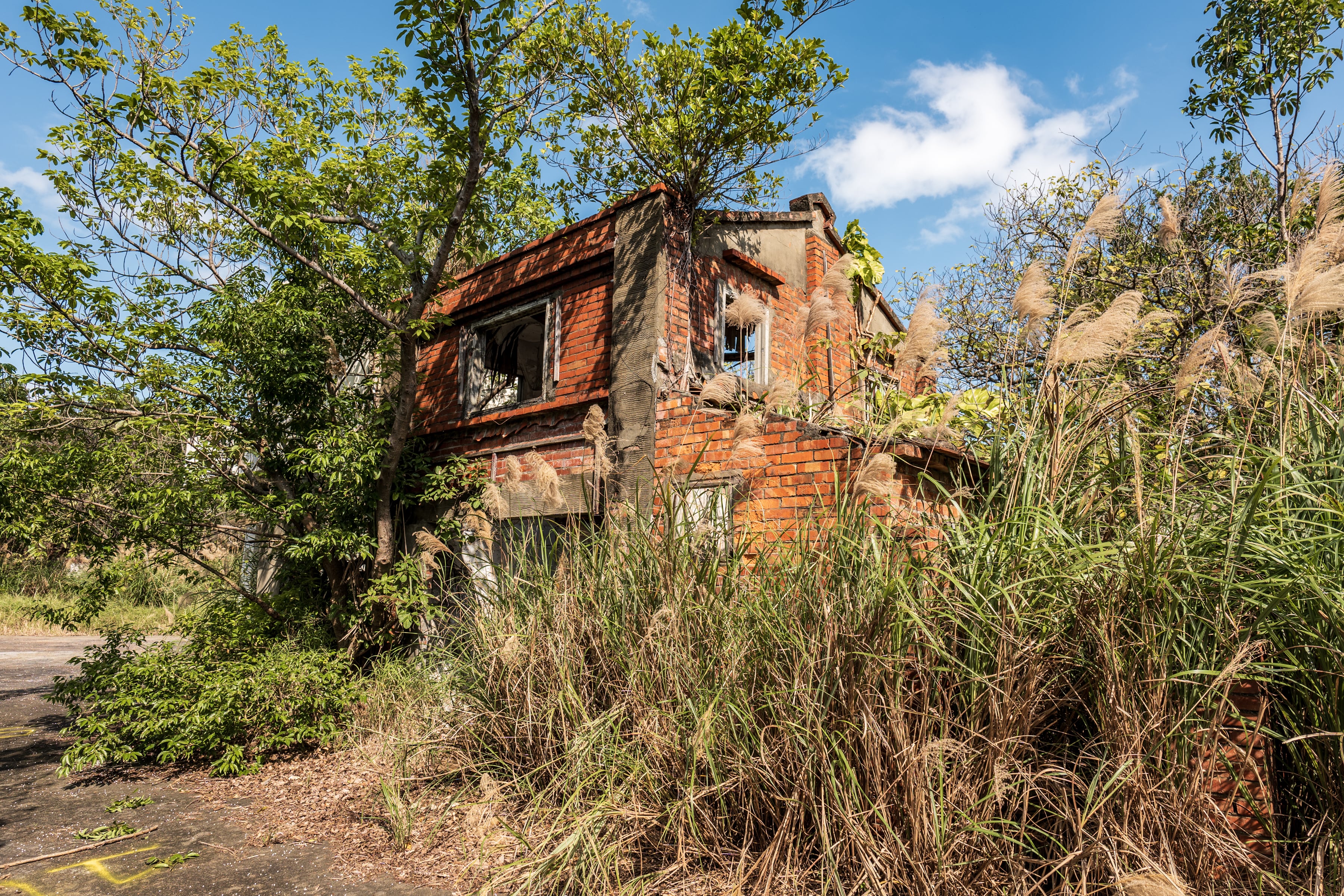
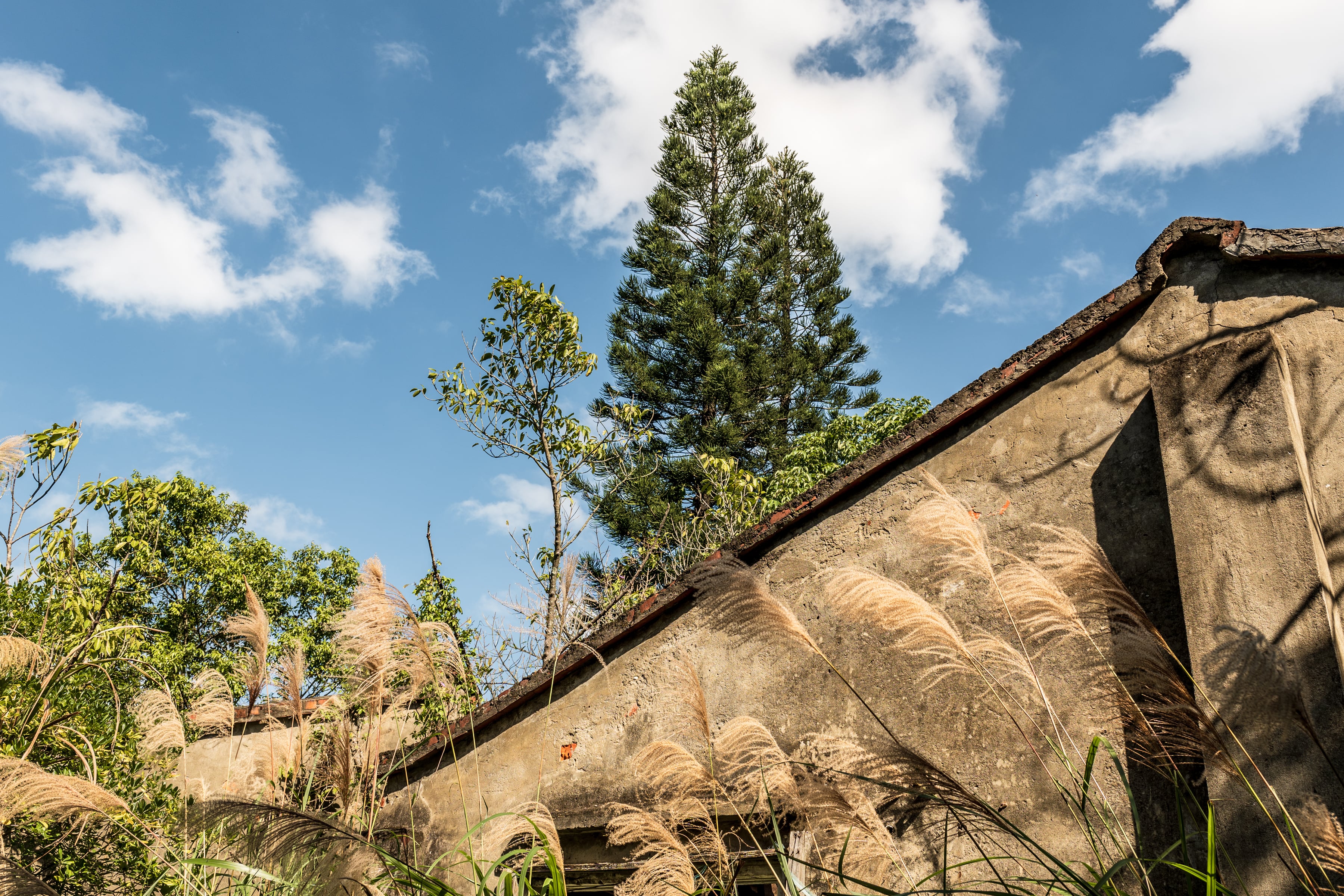
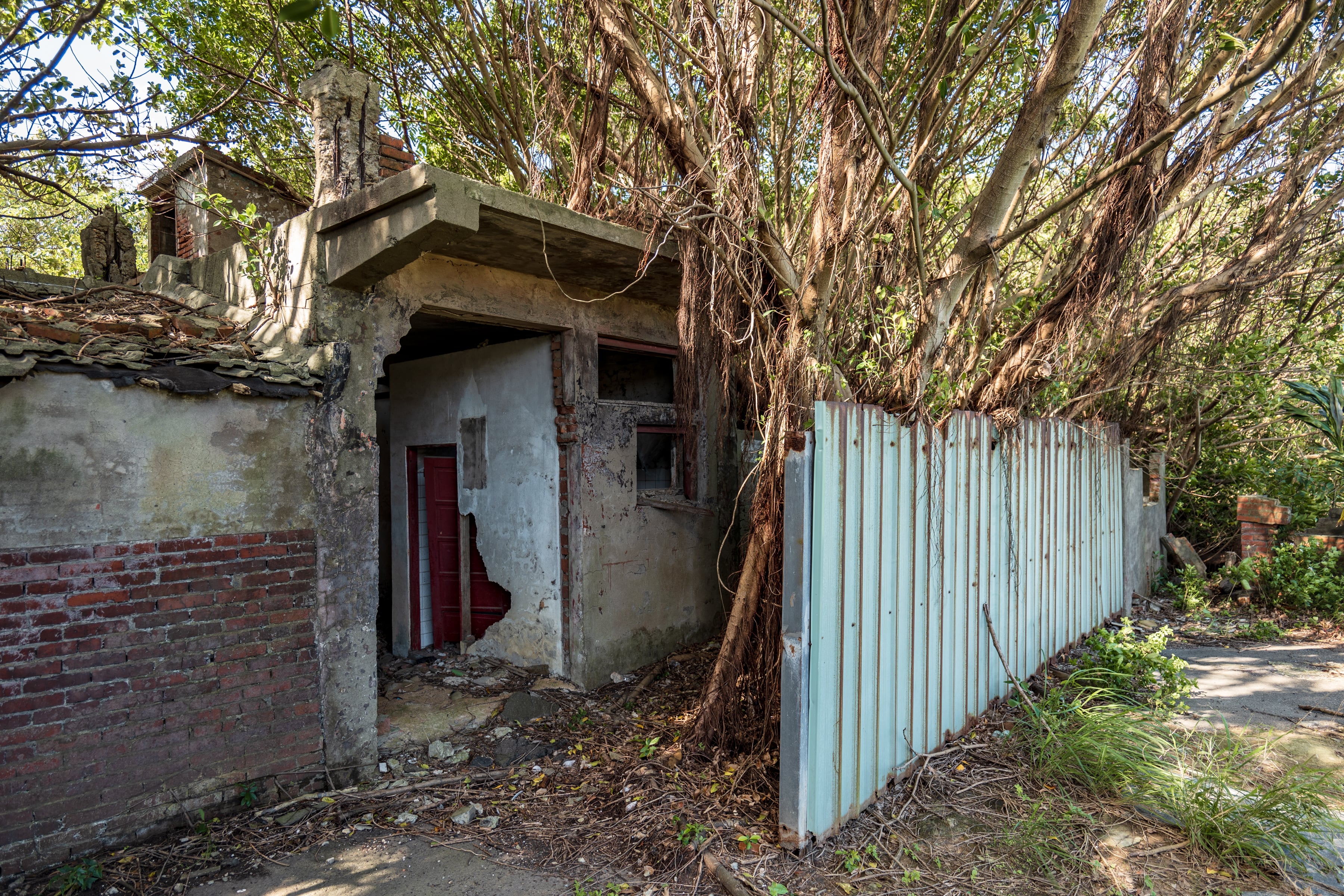
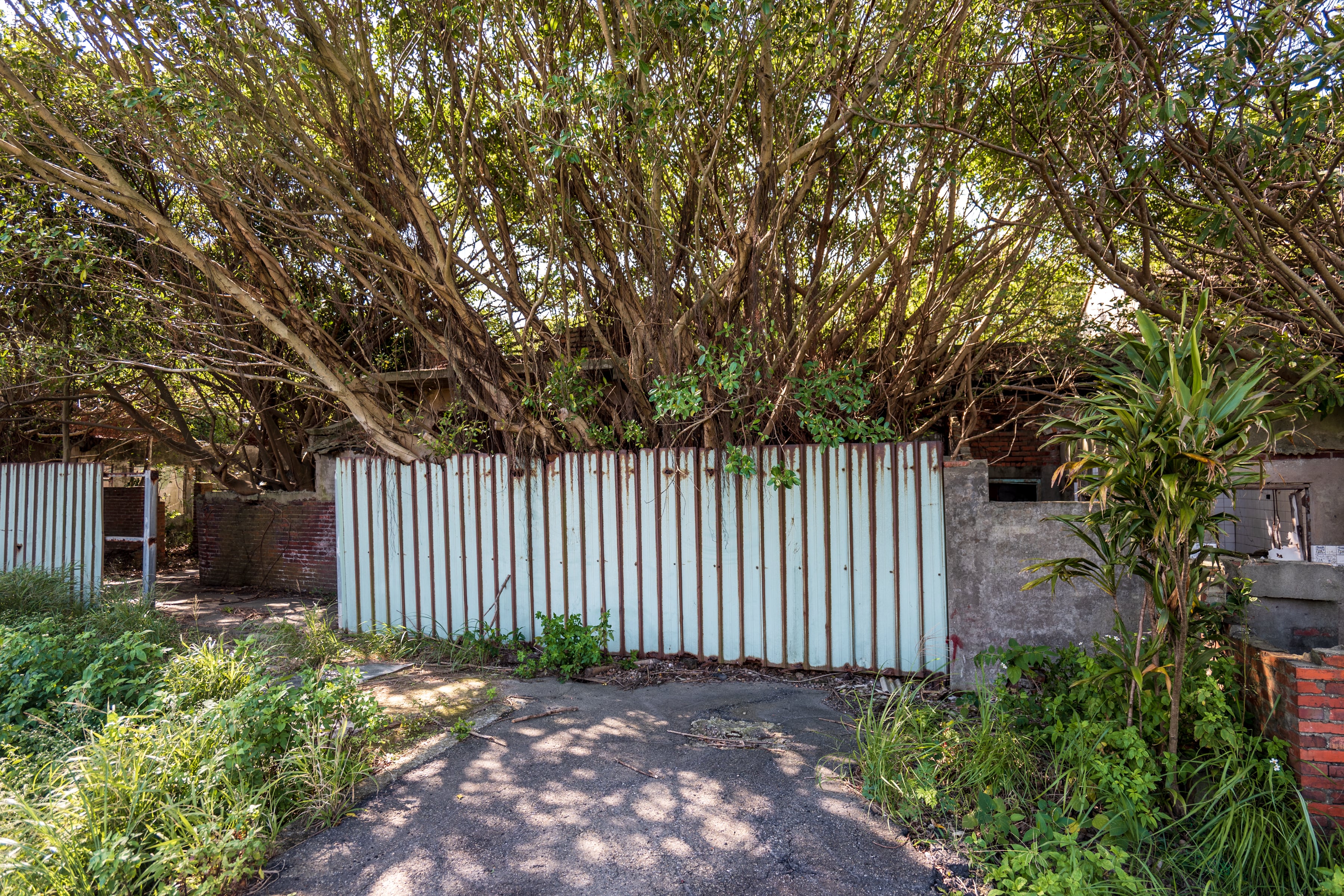
Jianguo No. 9 was among the last remaining military villages in this part of Taoyuan. It officially held 145 households at one point and was built on the site of an existing Japanese colonial era dormitory complex, likely one built for workers at a nearby air force base to the south. Taoyuan Aerotropolis (桃園航空城) developments were well under way as of 2024 but the site could still be accessed from either the north or east side. It was impressive in scale and pleasant to walk around but every house had been stripped down to bare concrete and tile. Airsoft players and drone operators also frequented the site. It was finally demolished sometime in 2026.
Map
Note: this location has vanished. Any information presented here is only for reference.
提醒:此地點已消失,本文僅供參考用途。
Points
- Jianguo No. 9 Village (建國九村)—Vanished (已消失)
Built on the site of a Japanese colonial era dormitory complex and officially home to 145 households at its peak, mainly NCOs, chiefly crew chiefs of the 26th and 27th squadrons and motor pool personnel. Long abandoned and stripped to bare concrete, it was the last of the Jianhua villages standing until its demolition in 2026.
- Jianguo No. 8 Village (建國八村)—Vanished (已消失)
Brick and tile housing built in 1954 by the 5th Base Service Group for about 43 households, mainly pilots and officers with a few NCOs. It sat at the center of the cluster on the route from the base to Nos. 9 and 10, and its basketball court hosted vegetable stalls through the week and a crowded Sunday market where nearby farmers sold produce and poultry. Residents were rehoused in the redevelopment of Luguang No. 2 Village (陸光二村), and the site was cleared by 2009.
- Chenkang Elementary School (陳康國小)—Vanished (已消失)
Stood within No. 8 and took children from the surrounding villages and farming households alike. It was demolished in the 2020s, presumably due to low enrollment as the area depopulated.
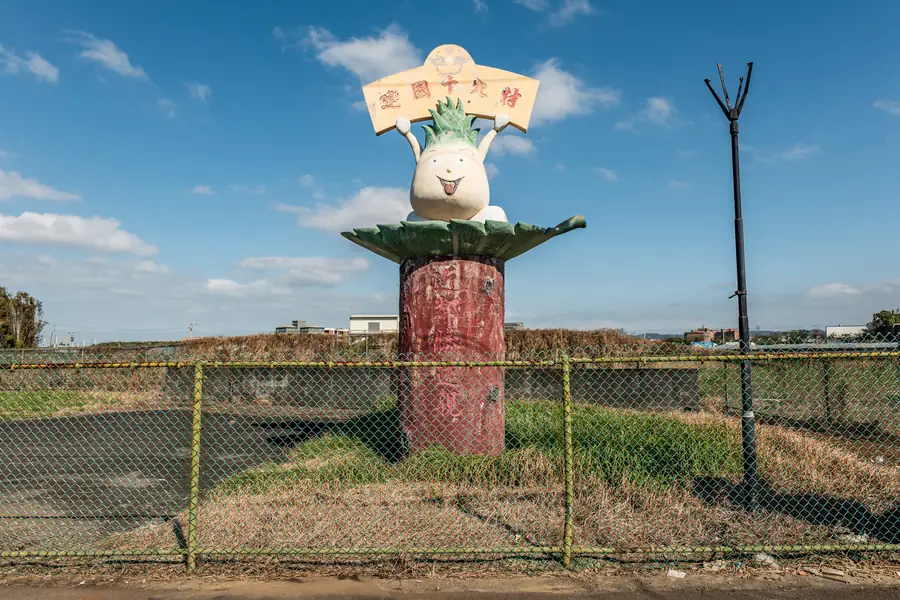
- Jianguo No. 10 Village (建國十村)—Vanished (已消失)
Built by the 5th Base Service Group for about 96 households in neighbouring Sanshi Village (三石村), mainly NCOs, chiefly crew chiefs of the 17th, 26th, and 27th squadrons and motor pool personnel. It lay entirely within land expropriated for Taoyuan International Airport, and its residents scattered in May 1978 to Sanhe Community in Guolin and Yangming Community (陽明社區) behind Taoyuan Station. Some also ended up being rehoused in the redevelopment of Luguang No. 2 Village.
- Jianguo No. 11 Village (建國十一村)—Vanished (已消失)
Established in 1971 in buildings left behind by the Japanese for about 87 households, mainly senior officers and pilots, originally as Taoyuan Air Force No. 11 Dormitories (桃園空軍第十一號眷房). Residents were rehoused in the redevelopment of Luguang No. 2 Village, and the site was cleared by 2009.
- Jianguo No. 17 Village (建國十七村)—Vanished (已消失)
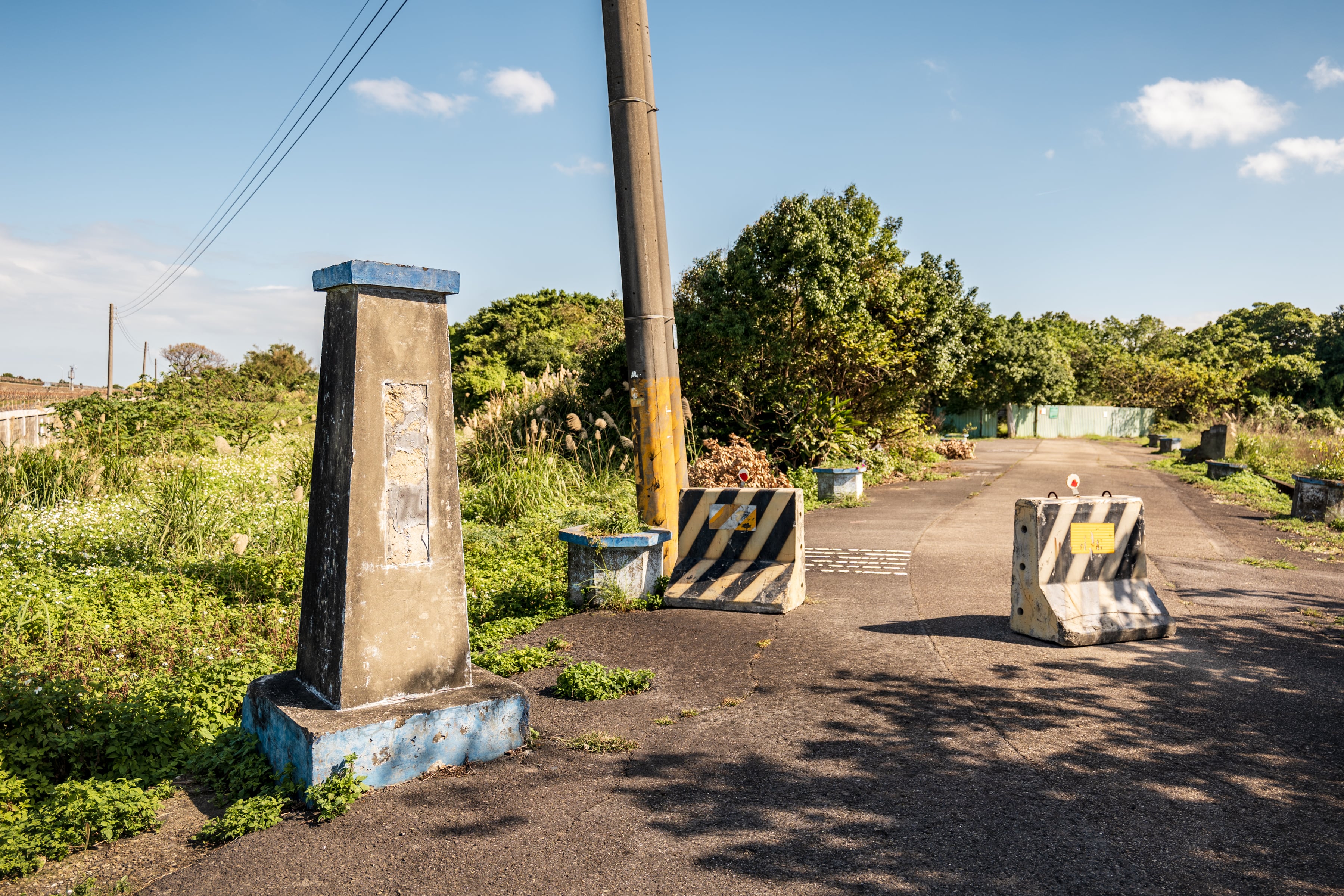
Built from March 1959 by Air Force Command for about 33 households, mostly pilots of the 5th Group, on more generous plots than the NCO villages. Residents were rehoused in the redevelopment of Luguang No. 2 Village. The exact location of the village is uncertain, but it should be somewhere around here.
- Sanhe Community (三和社區)—Public (公有)
Part of Jianguo No. 10 Village was resettled here in May 1978 to make way for Taoyuan International Airport.
Recorded On
Links
- Taiwan Cultural Memory Bank (文化部國家文化記憶庫)
- Taiwan Cultural Memory Bank (文化部國家文化記憶庫)
- Taiwan Cultural Memory Bank (文化部國家文化記憶庫)
- Taiwan Cultural Memory Bank (文化部國家文化記憶庫)
- Taiwan Cultural Memory Bank (文化部國家文化記憶庫)
- Pixnet: Jessica Kuan (丁丁的紀錄片)
Themes
- KMT Authoritarian Era Taiwan (國民政府時期)
- Urban Exploration
- Urban Exploration in Taiwan (台灣城市探險)
- Taiwan Military Villages (台灣眷村)
Backlinks
- Luzhu Dahua Air Force Villages (蘆竹大華空軍眷村)
- Taoyuan Airbase Hospital (桃園空軍基地醫院)
Nearby Locations
Similar Content
Show more
Author
I am a web application developer, photojournalist, urban explorer, and history enthusiast passionate about the open web and documenting my experiences on this planet. This project was founded in the early 2010s and has evolved into a sort of personal Wikipedia of places that interest me (and often the photographs I’ve taken there). I’m originally from Toronto, Canada, but spend most of my time residing in Taiwan.